While 2021 will hardly be easy for the UK’s manufacturers, there is room for optimism, even with many of the details over Brexit remaining unsettled. The key date is January 1, the end of the transition arrangements for the country’s slow and inglorious departure from the European Union.
The procedures governing how the UK operates in areas such as product standards and trade will no longer be set by Brussels. With talks over a trade deal with the rest of Europe making little progress, the prospects are growing that no agreement on this key issue will be reached by the end of 2020. While that is intensely worrying for manufacturers, the most serious impact should last for only a limited time. On the health front there is more positive news. The introduction of three new coronavirus vaccines offers hope that a pandemic that has wrecked the lives of millions can be tamed.
The scenario provides the backdrop for UK manufacturing in 2021. The sector comprises activities across an often complex “value chain” involving conversion of materials and ideas into products and services. A business doing R&D on a new medical instrument, leaving the physical fabrication to another entity, is as much part of manufacturing as a firm that does both.
Across this spectrum, innovation and new thinking in the UK appear strong. The efforts to combat Covid-19 have thrown up many examples of this, from development of new ventilators to medical test kits. In emerging sectors such as 3D printing and robotics, new companies have been started to take advantage of novel ideas. Examples include Hieta – which uses 3D printing to make complex heat exchangers to improve the efficiency of jet engines – and CMR Surgical, which produces robots to help perform hospital operations.
One of the three vaccines that will be rolled out globally is a home-grown success story, resulting from a joint venture between the AstraZeneca drug company and scientists at Oxford University. Beyond this, instances of innovation, some small and incremental, with others more far reaching, can be seen in virtually every part of UK manufacturing, from chemicals to construction components. The High Value Manufacturing Catapult, a network of research centres linking academia and industry, acts as a focus for much of this effort, supporting many small and medium-size businesses.
Behind these cases of new thinking are, in many cases, teams of young, technically qualified people who have found that manufacturing offers them rewarding jobs. The central aim of Made Here Now is to discuss innovation in production industries and encourage more young people to consider careers in the sector.
.jpg) The High Value Manufacturing Catapult brings together several research centres helping industry develop new thinking – in this case involving research into powder-based materialsThe pandemic has coincided with a new interest in making things at home. Consumers – both in the UK and overseas – have shown more signs of being positively influenced by the “British-made” brand. Domestically, it seems that stronger consumer interest has been fuelled by a combination of economic partisanship and a sense that the country has become too dependent on other nations for certain goods such as protective clothing for health workers (from which the UK suffered dire shortages in the early stages of the crisis).
The High Value Manufacturing Catapult brings together several research centres helping industry develop new thinking – in this case involving research into powder-based materialsThe pandemic has coincided with a new interest in making things at home. Consumers – both in the UK and overseas – have shown more signs of being positively influenced by the “British-made” brand. Domestically, it seems that stronger consumer interest has been fuelled by a combination of economic partisanship and a sense that the country has become too dependent on other nations for certain goods such as protective clothing for health workers (from which the UK suffered dire shortages in the early stages of the crisis).
“People are keener than ever to buy more British-made products to support the UK economy and many of us are willing to pay a premium to do so,” says John Pearce, director of Made in Britain, a trading group with 1,400 members that use the group’s branding to sell at home and for export. Reflecting this interest, and what seems a growing recognition by manufacturers of the virtues of signalling where their products are made, Pearce’s organisation has added 400 new members since March, three times its growth rate in previous years.
The final reason for optimism is that Boris Johnson’s government has announced a “levelling up” strategy that should, if properly implemented, benefit manufacturing. In recent months Johnson and his fellow ministers have hardly covered themselves in glory. Their efforts to handle the Brexit negotiations and the pandemic – admittedly a tough double-act to pull off – have been marked by misjudgements and poor planning. But in the effort to increase the wealth of regions that have fallen behind economically in recent decades, the government has the chance to demonstrate a surer touch. If the prime minister is serious about his plans, he will want to channel grants and other forms of aid to manufacturers in specific regions with good ideas and prospects. Sensing what lies ahead, the chief executive of one successful production company says he is pushing ahead with plans for a new factory. “I am hopeful my ideas will attract government assistance as part of a post-Brexit policy of industrial intervention,” the executive says.
The coming year will be tough. The post-Brexit difficulties should not be underestimated. But UK manufacturing should end it in a better position than at the start.
The article first appeared in Made Here Now in 2020
-(002).jpg) Northumbria Manufacturing and Distribution Hub was among several groups given contracts to make hospital gowns – mainly disposable – in the early stages of the pandemic
Northumbria Manufacturing and Distribution Hub was among several groups given contracts to make hospital gowns – mainly disposable – in the early stages of the pandemic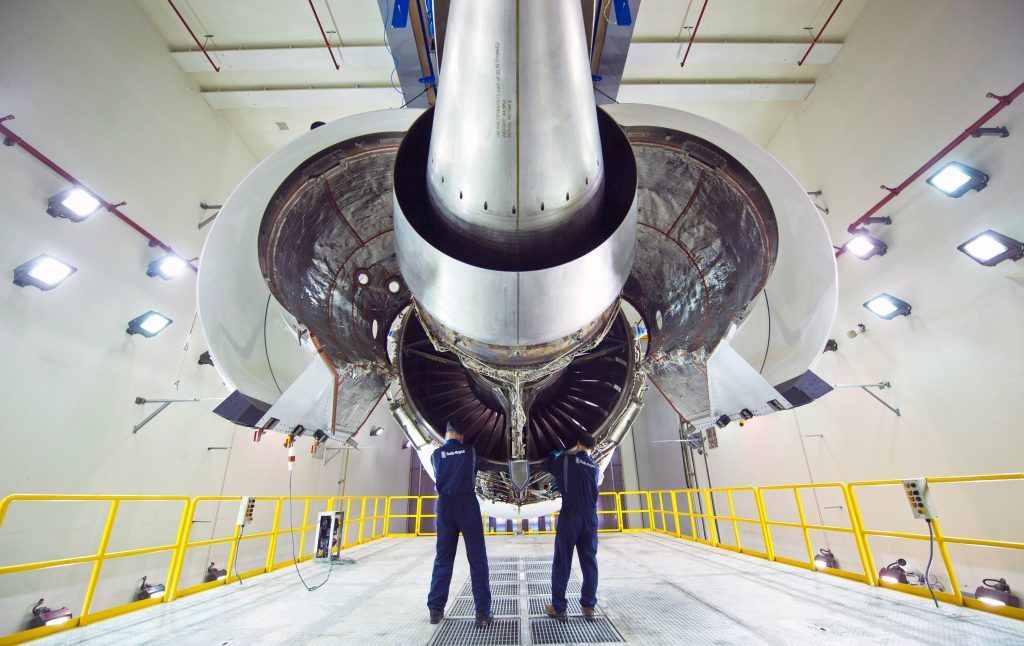
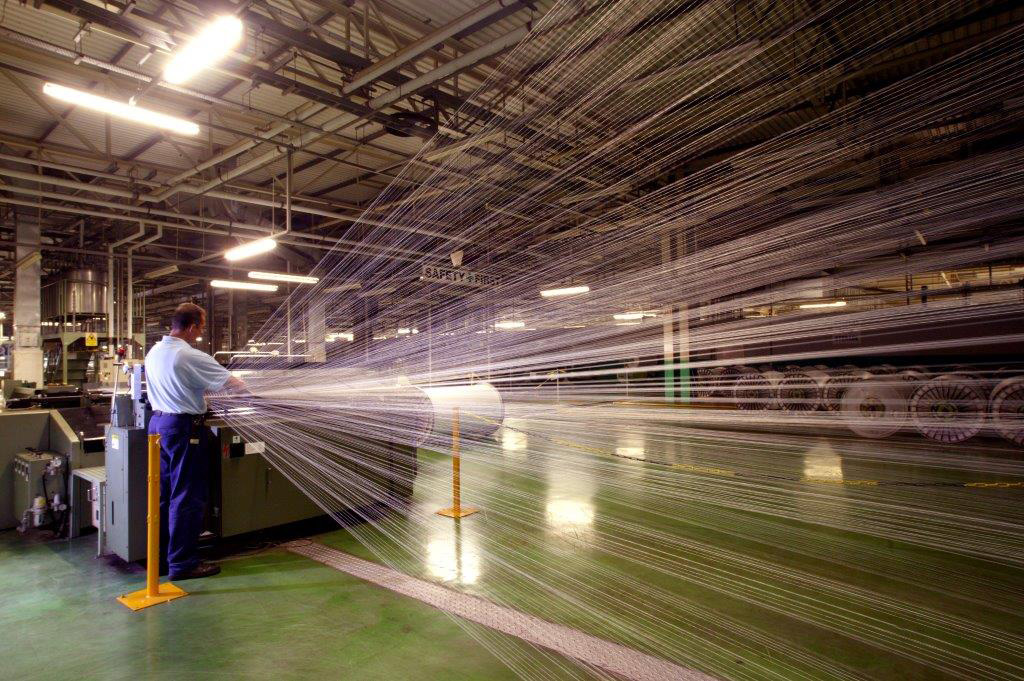 Toray’s factory in Mansfield would have played a key part in the projectAt the peak of the pandemic protective gowns were required in enormous numbers in hospitals yet were in short supply. Deficiencies across all types of personal protective equipment are regarded as one reason for Britain’s high death rate.
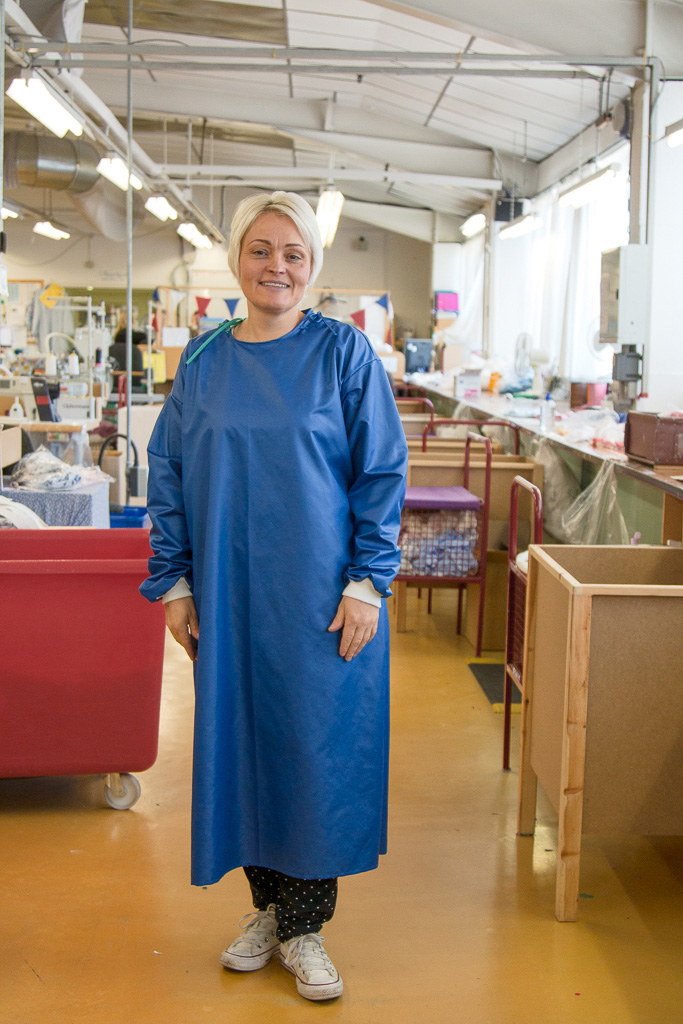 The David Nieper clothes maker – a champion of “green manufacturing” in textiles – started its own project on reusable gowns“










 Mike Bradley of Greenwich University demonstrates a prototype of his group’s protective hood.
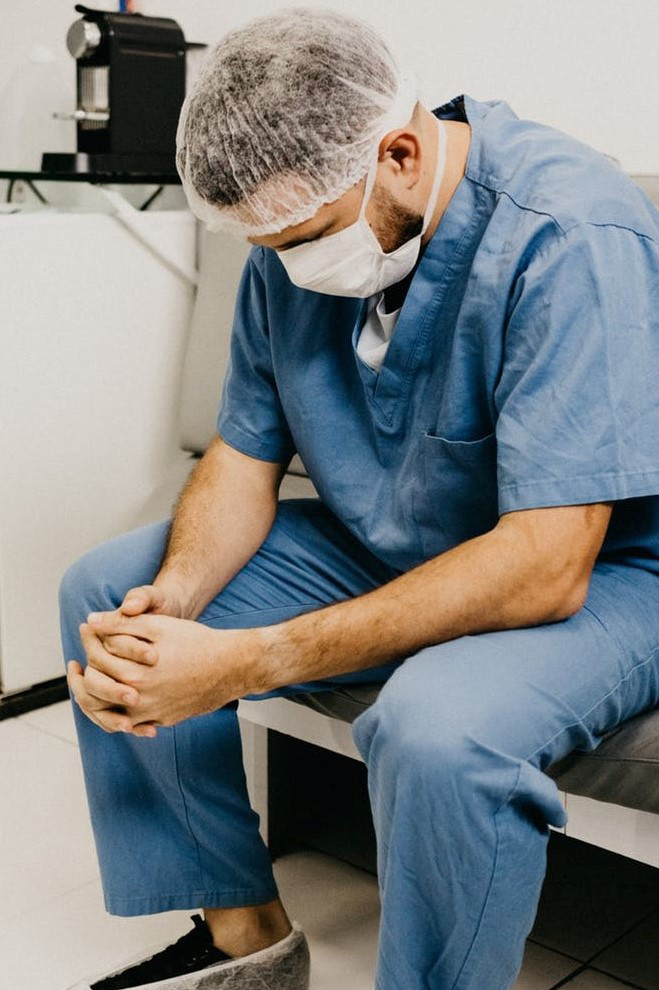 Insufficient Poor protection for health workers may be among the factors behind Britain’s slow progress in checking Covid-19.
 Staff and old people in care homes are among the high-risk groups.
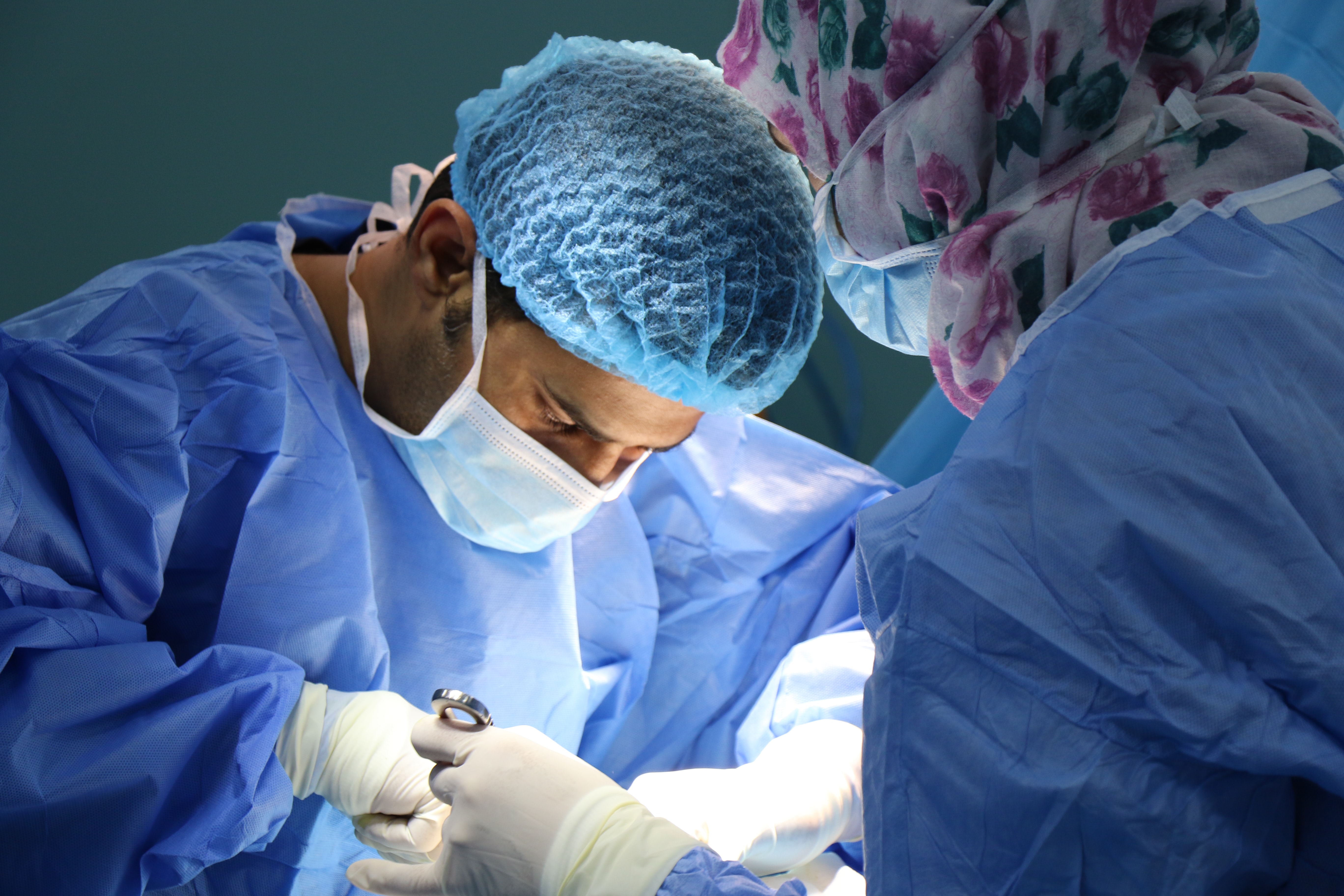 The Greenwich device could be made in the UK to supplement protective equipment produced mainly in other countries
 Engineer Mike Bradley believes the invention could become an important weapon in combating coronavirus
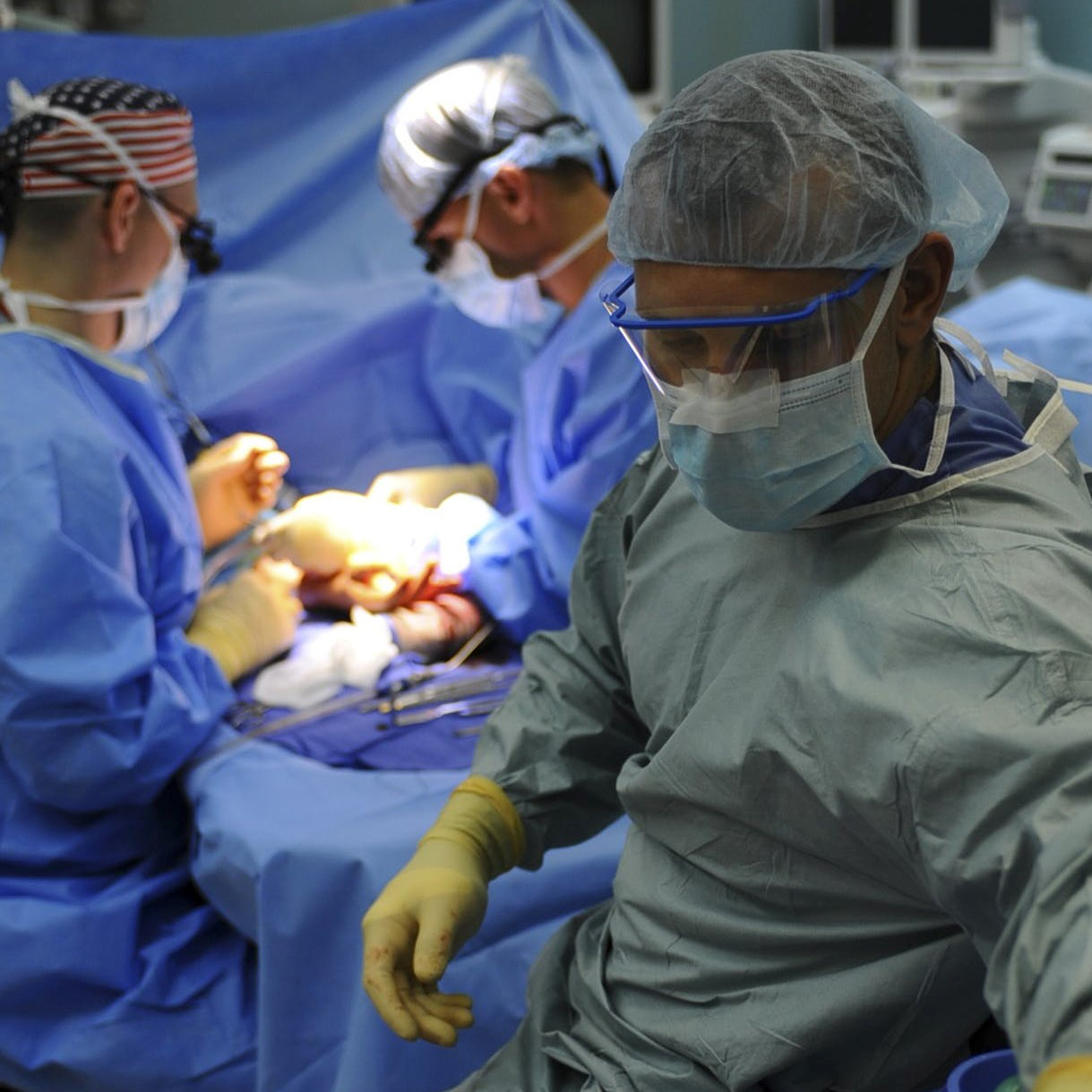 Health workers have emerged as key actors in what may turn out the biggest global crisis since the second world war
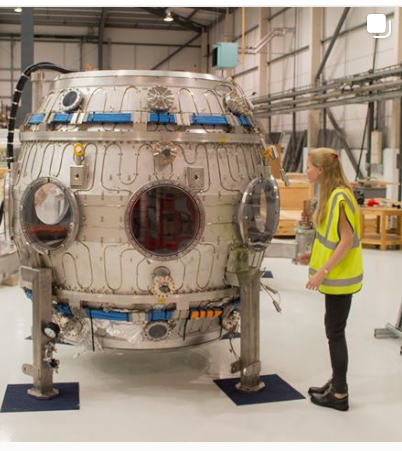
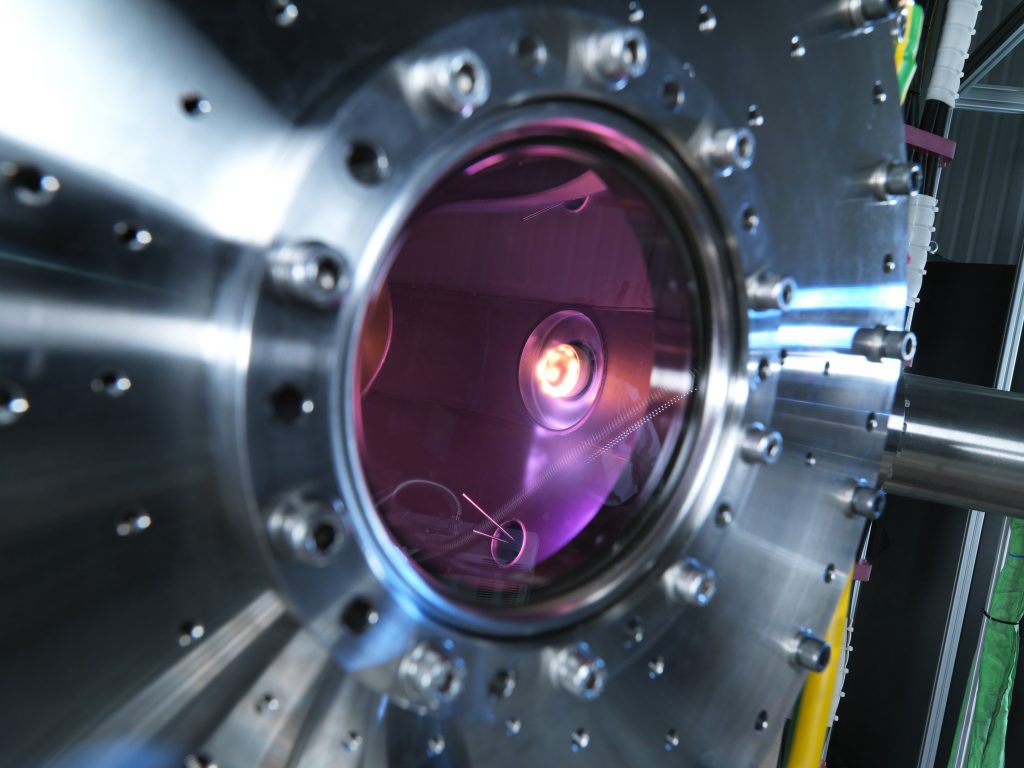
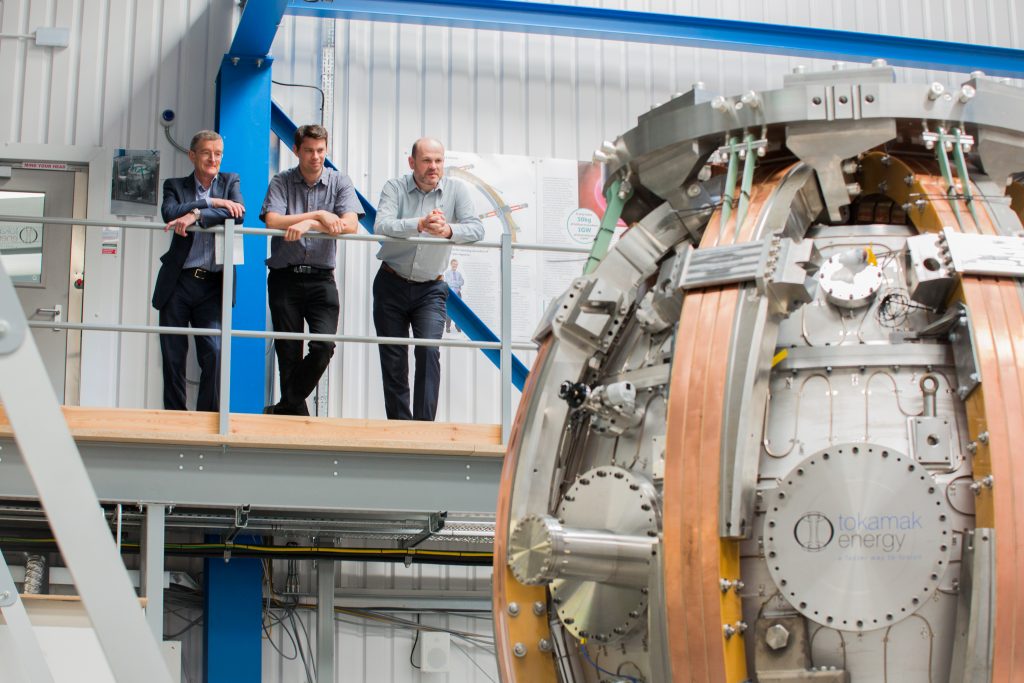

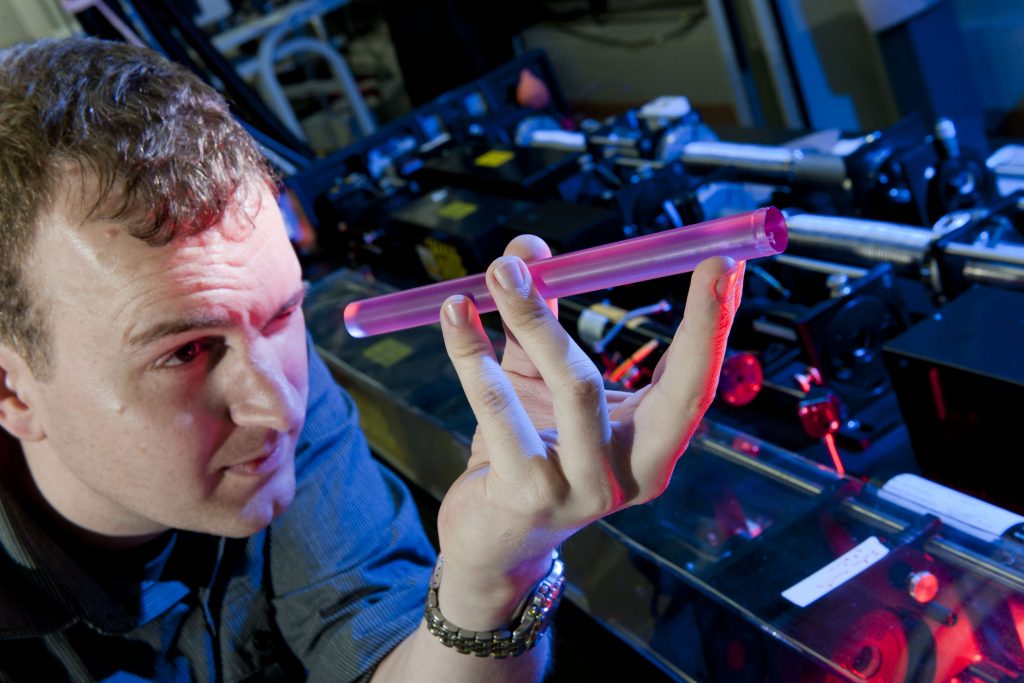

 Modern production can encompass new ideas in virtual reality, as illustrated by work at the High Value Manufacturing Catapult in designing components for nuclear power stations
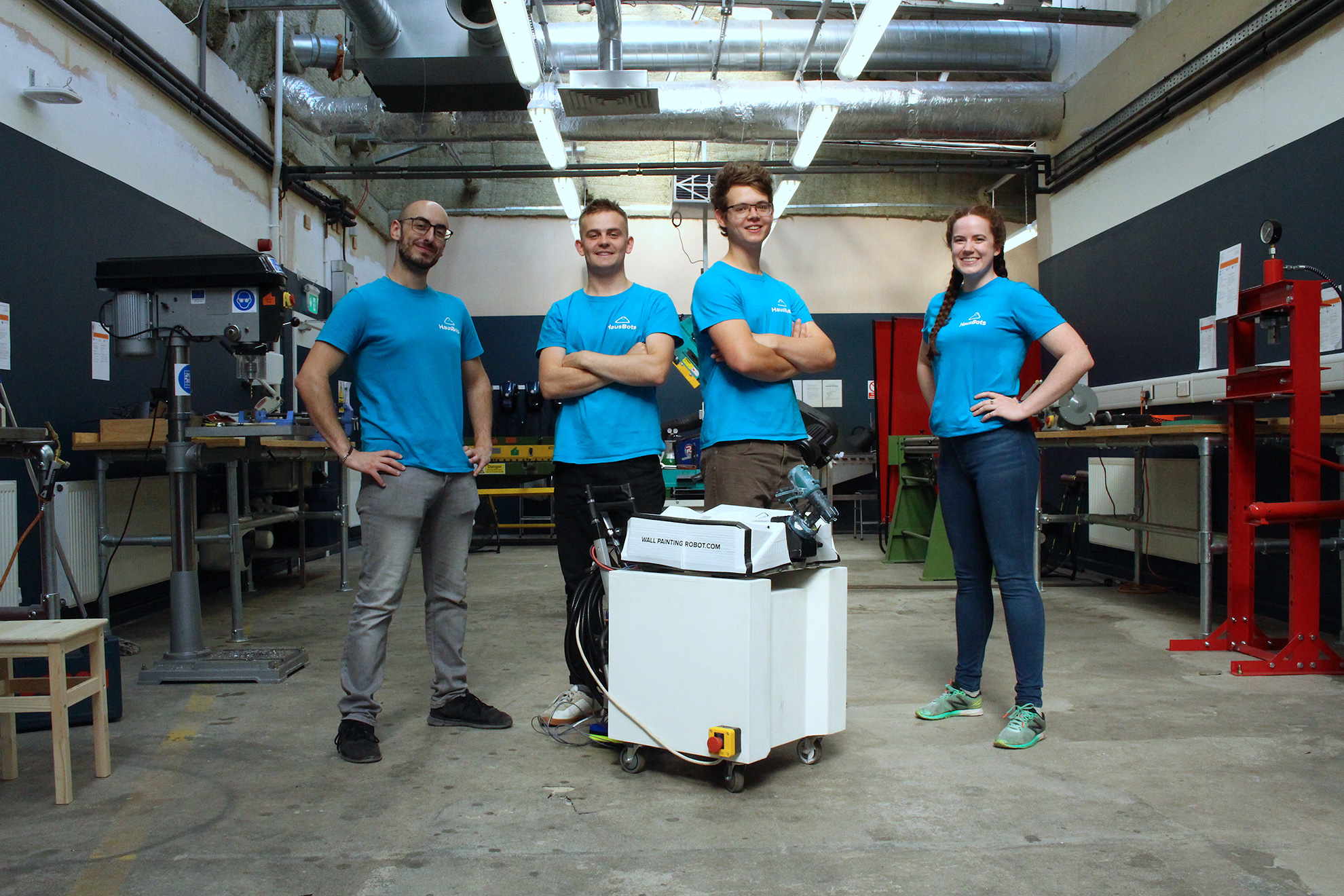 Role models – the youthful engineering team at Birmingham robot builder Hausbots. Left to right: Mike Skitsas, Jack Cornes, Harry Smith and Jenna Luchak
How a green manufacturing model fell apart
The government’s discussions over reusable protective gowns started out as an impressive attempt to combine two ideas – shifting the emphasis in a key area of personal protective equipment from disposable to renewable and boosting domestic manufacturing at a time of economic stress.
In the end neither goal was met, leaving industry figures who took part in the discussions disappointed.
David Stevens, chief executive of the Textiles Services Association, representing laundries that would have played a big part in recycling the gowns by washing each one 40-100 times, said the centralised plan would have made “a lot of sense from both an environmental and economic perspective”. It was “disappointing and frustrating” that so little progress had been made.
According to people involved with the talks, the cost of the project would have been about £75m. Online retailer Asos – best known for its fashion clothing and with no plants of its own but a good reputation for manufacturing knowhow – would have acted as project manager.
The conversations between the Cabinet Office and industry representatives followed criticism in March and April that the government had failed to build up stocks of PPE.
Shortages of gowns and related items in hospitals and care homes have been widely blamed for the rapid early spread of the virus, leading to a high official death rate of more than 41,000. This makes the UK the fifth-worst on this measure in the world, behind the US, Brazil, Mexico and India.
The effort to set up a UK-wide scheme for reusable gowns was handed to Lord Paul Deighton, a former Goldman Sachs banker and head of the organising committee for the 2012 London Olympics. Deighton was appointed in April to take charge of PPE purchasing, operating from the Cabinet Office – the government’s central policy body.
Deighton and Moira Ford, a procurement specialist who was part of his team, modelled the reusables project on a related government scheme on protective gowns organised in March, prior to his appointment.
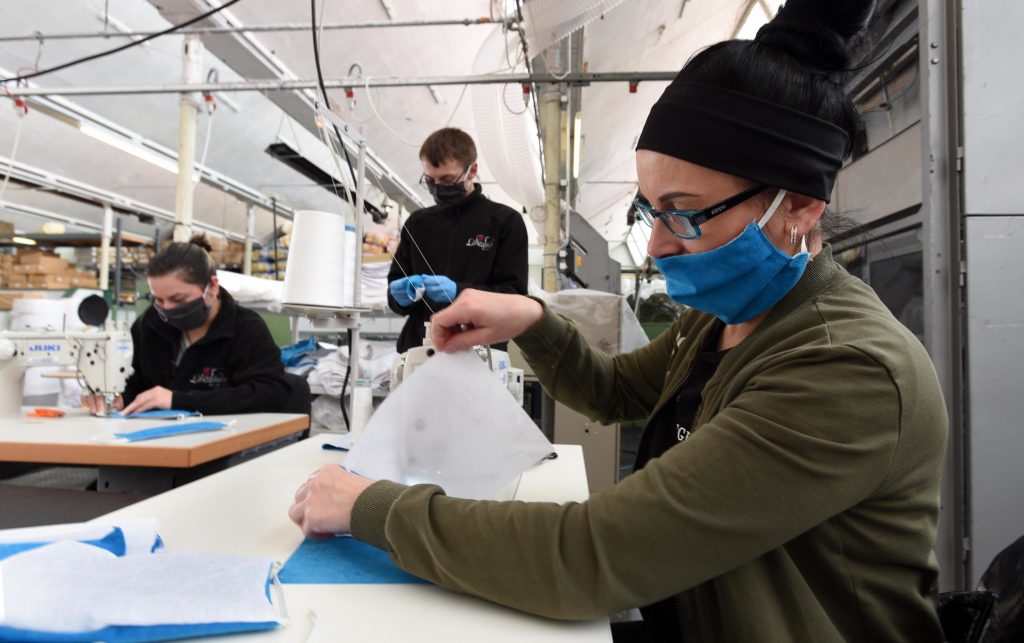
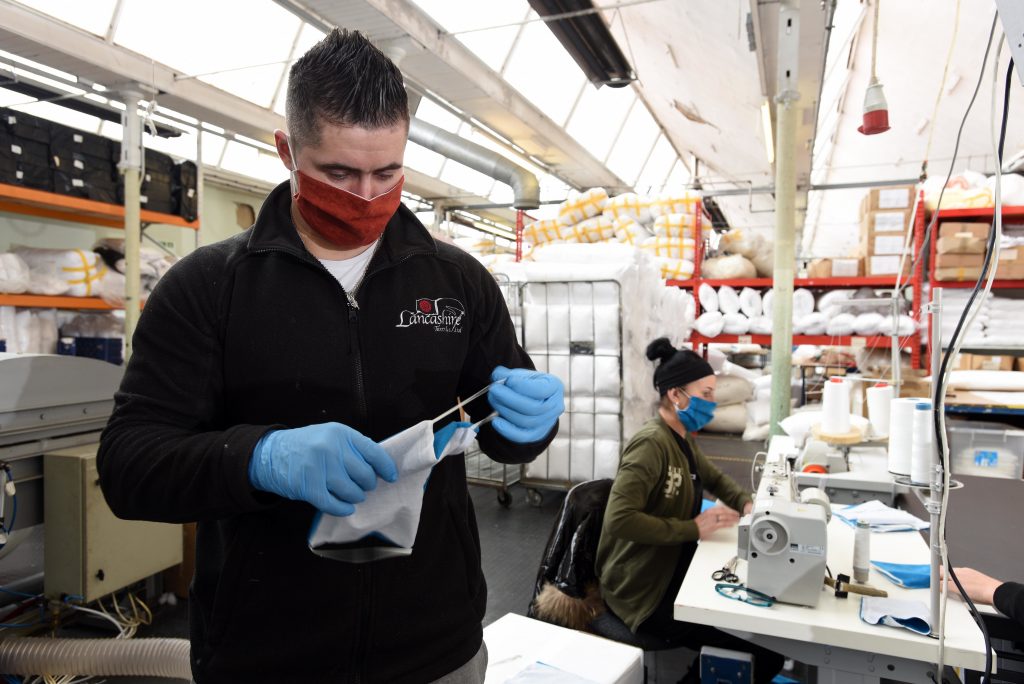
Under this scheme roughly 6m single-use gowns are being made by five UK textiles makers using material supplied by a plant in Forfar, Scotland, run by Don & Low, a Greek-owned textiles firm. The cost of this programme is put at about £50m.
The individual manufacturers involved with the Don & Low project include Preston-based BB Workwear; Keela, based in Glenrothes, Scotland; Private White VC, a known mainly for its fashion clothing with a factory in Manchester; Survitec, in Birkenhead; and Redwood TTM which has several plants in Lancashire.
Samantha Fernando, sales director at Keela, which is making more than 500,000 gowns under the Don & Low scheme, said it was “fantastic” that officials had organised this “to support British manufacturing”.
Also participating in the cabinet office talks on the reusables programme were officials from the public purchasing agency Crown Commercial Service, the Department of Health and Social Care, the Department of Business, Energy and Industrial Strategy and NHS Improvement (responsible for mapping long-term health policy).
A vital part of the new project involved laundry companies, which would be required to stick to rigorous standards when cleaning the gowns between uses. Large laundries including those run by two big companies, Elis and Synergy, would have played a central role.
Unlike in the Don & Low project, where the DHSC and the Scottish government between them organised the production of gowns by individual businesses, for the new scheme Deighton and Ford wanted to find one big company to which they could entrust the project management.
In the absence of any large suitable UK manufacturer they identified Asos. The clothing retailer relies on a global network of contractors to make its garments. It is well regarded for its record on sustainability and ensuring suppliers treat workers fairly. Out of its 173 suppliers in 24 countries, 24 are in the UK.
Working with the cabinet office, Simon Platts, Asos’s sourcing director, organised a group of its UK suppliers that could make the gowns. Mick Cheema, general manager of Basic Premier, an Asos supplier based in Leicester which worked on the scheme, said he had high hopes for the programme as creating a “new focus for UK manufacturing” in health-related procurement.
But efforts to finalise the scheme petered out after the cabinet office baulked at the likely costs of the project. Asos would have received about £15 a gown. This is considerably more (ignoring any benefits related to sustainability) than the unit costs of comparable disposable items bought from overseas. Asos would have made little profit on its involvement, say people involved.
It appears officials had trouble coming to terms with the distributed model of manufacturing that Asos was suggesting – with production spread out around the country – and would rather have had manufacturing concentrated in just a few places.
But the most compelling factor was that while the talks were dragging on – with no sign that the government officials were close to a decision – many of the more than 200 individual health trusts around the UK opted not to wait for the outcome. Many decided to go “off piste”, as one participant in the talks put it, and place their own orders to top up supplies.
MIP – a big Canadian company which makes its gowns mostly in Asia – said it had committed to supply of 2m reusable gowns to UK health trusts in the first six months of 2020.
Alexandra, a UK based supplier of uniforms and other items of “workwear”, said that that at the peak of the Covid crisis it was selling as many as 2m gowns a month to trusts, split between reusable and single-use garments. In June it was selling around 500,000 a month in the UK, nearly all of which were made overseas.
Several other schemes to source gowns involving individual health trusts and local manufacturers also started up.
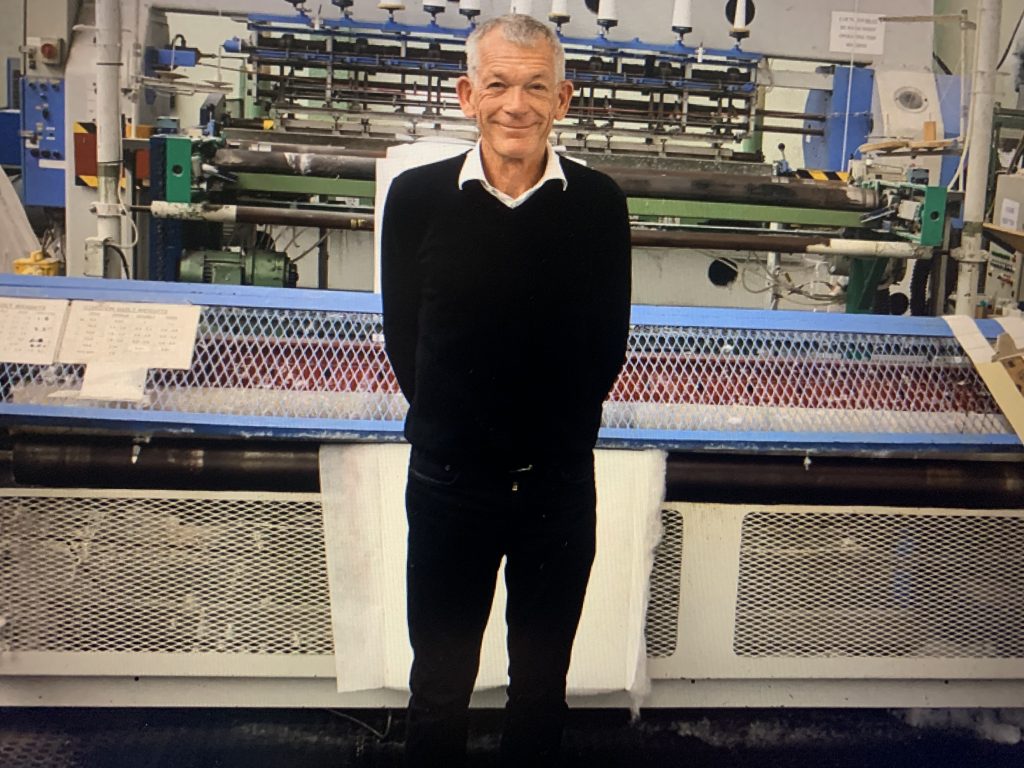
Among the most prominent has been a scheme organised by the Northumbria Healthcare NHS Foundation Trust which led to the establishment of the Northumbria Manufacturing and Distribution Hub, led by Sarah Rose, a textiles executive. The hub, based in Cramlington, has made more than 650,000 disposable gowns for health trusts in north-east England using a network of factories.
From now on, individual trusts will be left to procure gowns themselves, with some guidance from central government on specifications, along with encouragement to work with local industry partners where possible. It will be up to each trust to decide on the mix between throw-away and multi-use gowns.
The fall-out from the project’s messy end has been bruised feelings in industry. While Asos has not wanted to comment, its sourcing director Simon Platts is said by someone who knows him “not to be best pleased”.
Japanese textile maker Toray – which would have made most of the material for the project in a plant in Mansfield – said the cabinet office had been “slow and indecisive”. Had the government committed to the project Toray said it would have been ready to increase investment in its UK plant.
Supporting roles could have been played by other UK-based makers of the specialised fabrics required for reusable gowns, such as Heathcoat Fabrics, which has a factory in Devon employing more than 400 people.
Heathcoat said the failure of the talks was “a huge opportunity missed to not only eliminate any future supply issues but to also help the domestic textile industry at a time when jobs and unemployment are going to be a key issue”.