Plessey Semiconductors – carrying one of the most illustrious names in UK electronics – has set out a new strategy based on making itself a key part of the new industry of augmented reality.
Since 2018 Plessey has scaled back its manufacturing ambitions as it focuses on development and support for customers. It has parted company with Michael LeGoff, its founder and previous driving force, but the new co-chief executive Keith Strickland insists Plessey is in a good position to exploit what he thinks is its technology lead in the products it has chosen to concentrate on – microLEDs.
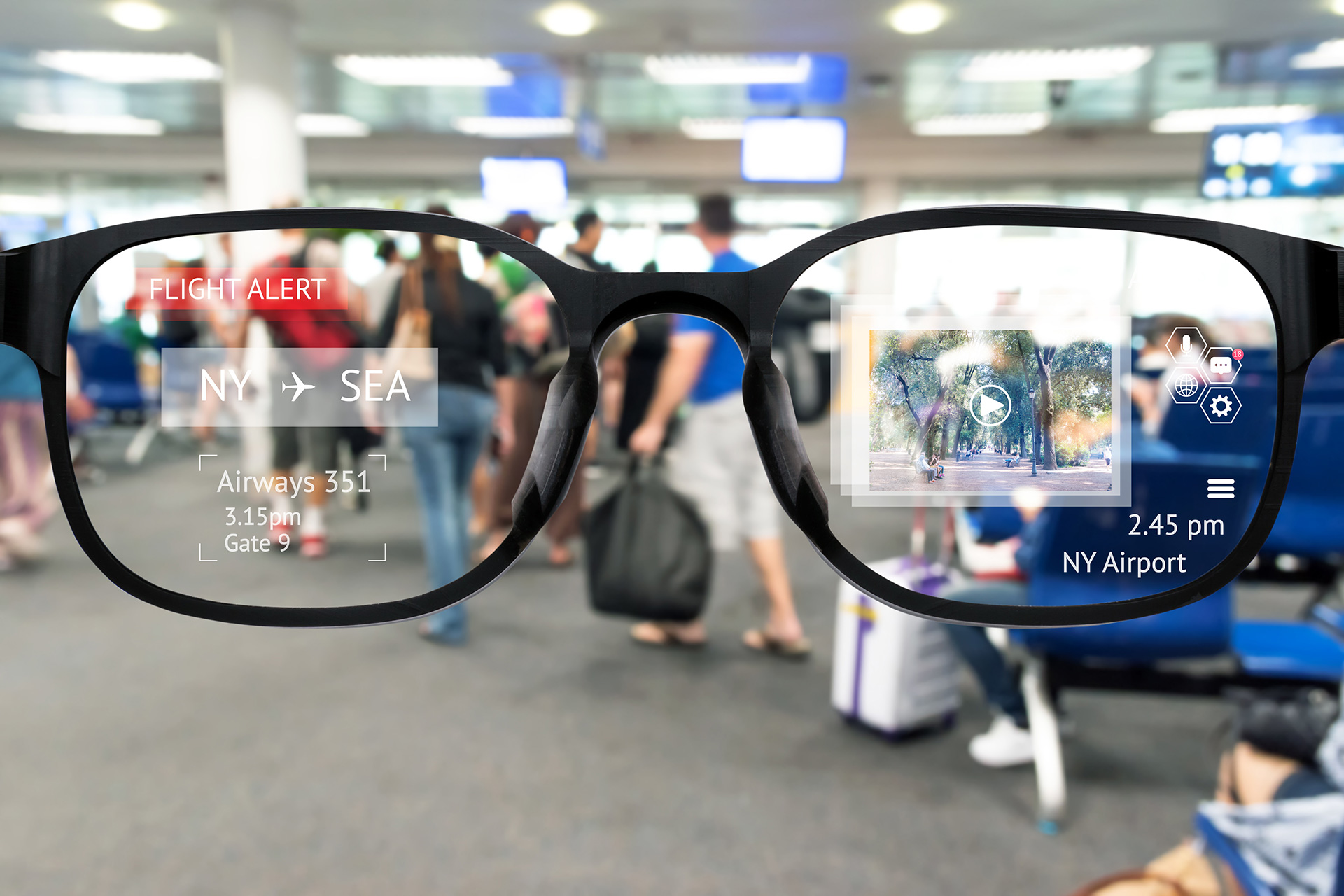 The new electronic chips promise to make possible “augmented reality” spectacles which display useful information as well as views of the outside word. The picture shows what someone might see when at an airport.
MicroLEDs could be vital pieces of the technological jigsaw needed to create a major industry out of augmented reality – a way of superimposing digital images onto views of the real world. Augmented reality displays have potential in fields from entertainment to industrial product development.
“Since the technology is new, the market for microLEDs barely exists – but all the signs are that it will be extremely big,” Strickland says.
“It is an exciting area to be in. If the TV industry for instance were to decide to move over to microLEDs in the next few years, the electronics industry in its current form would find it impossible to meet the demand.”
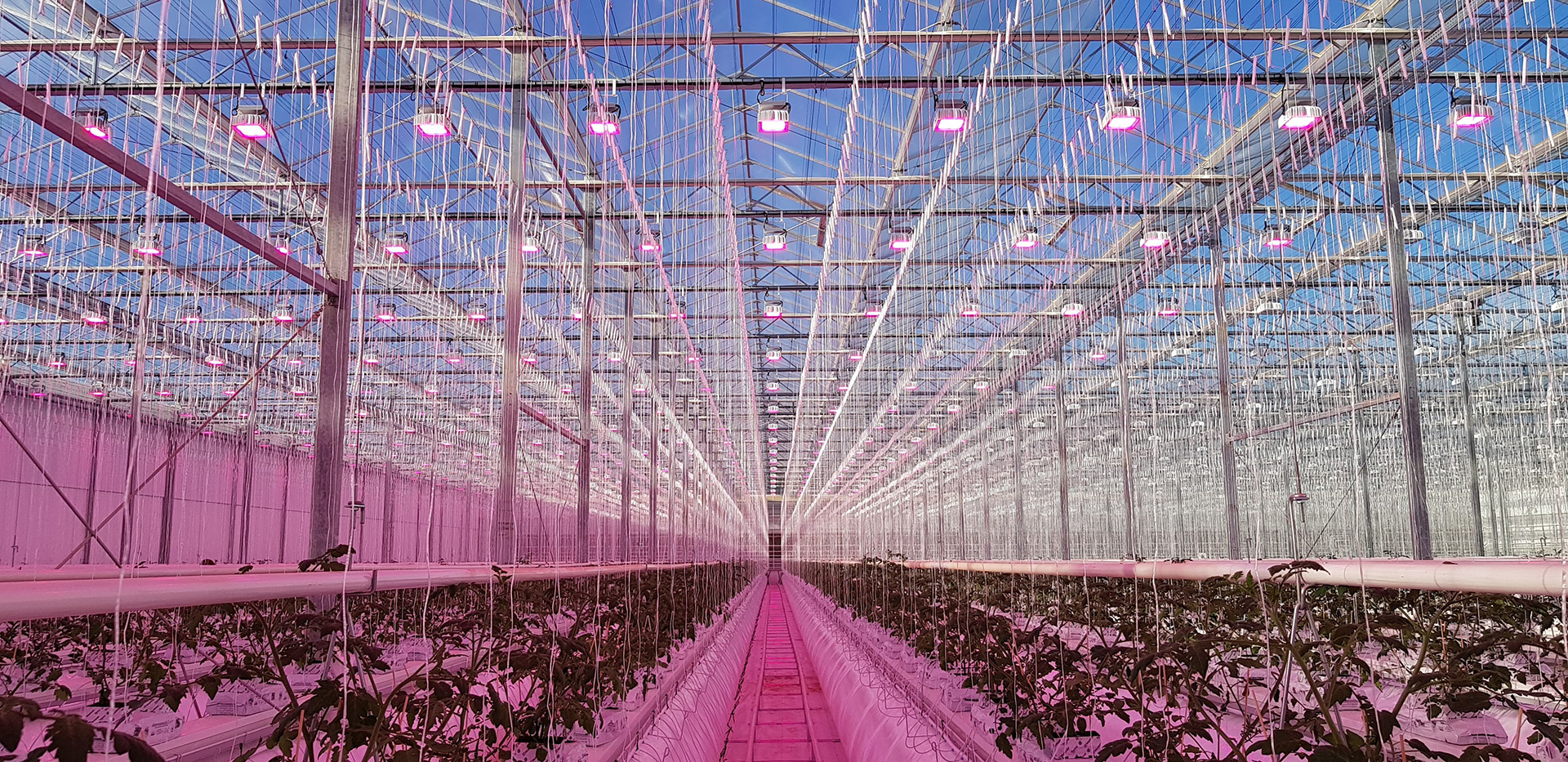 As part of Plessey’s business it makes light sources to help accelerate plant and crop growth in indoor farms
Potential users of microLEDs in new displays include big names such as LG and Samsung in South Korea and the US’s Apple, Google, Facebook and Magic Leap. The latter is a maker of head-mounted goggles for combining computer generated and real images.
As a result of its growth plans, Plessey is building up staff. Strickland says the current 140 employees – down from 165 in 2015 – could double by 2021. “We are recruiting quite heavily at present,” he says.
Plessey – based in Plymouth, south-west England – holds out attractions for technically qualified young people, says its co-head. “A lot of younger people like the idea of working in a business that has a strong connection to the industries of firms such as Google and Facebook. Plus, there is the appeal of being involved with some exciting start-up firms exploring new ideas.”
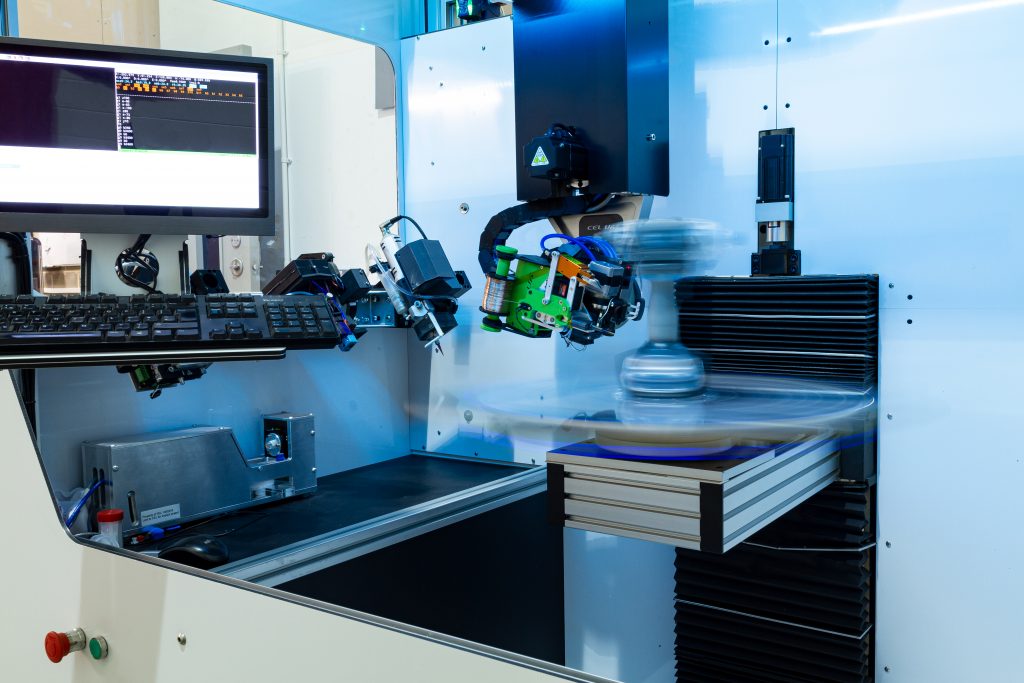
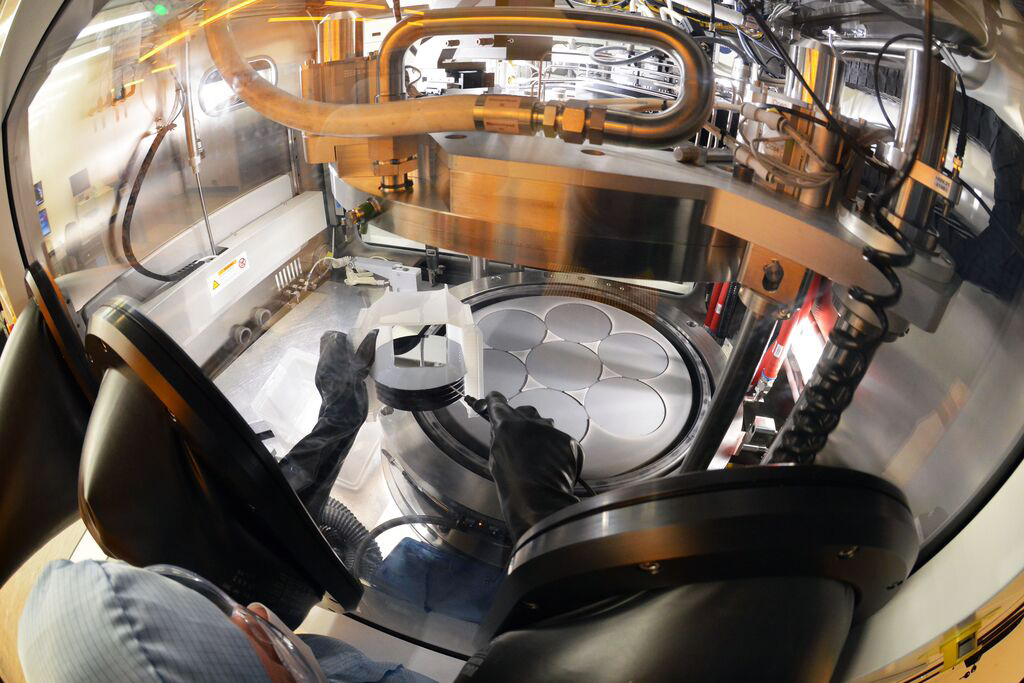 The company has invested heavily in equipment for making minuscule semiconductor-based light sources
Strickland’s comments underline the opportunities in UK manufacturing that Made Here Now has been established to highlight.
Augmented reality could combine with other electronic technologies to make possible new forms of computer games or television systems. It could also help design engineers visualise new products.
Plessey’s key advantage, says Strickland, is that it can make microLEDs that are particularly bright and consume small amounts of power – vital factors given the requirements for new displays to provide sharp pictures on tiny screens and run for a long time on low power sources.
The company bases its technology on developing LED structures from gallium nitride on a substrate of silicon, instead of the usual sapphire. Use of a silicon-based technology potentially opens the way to making microLEDs in high volumes and at a low cost.
The article first appeared in Made Here Now in 2019
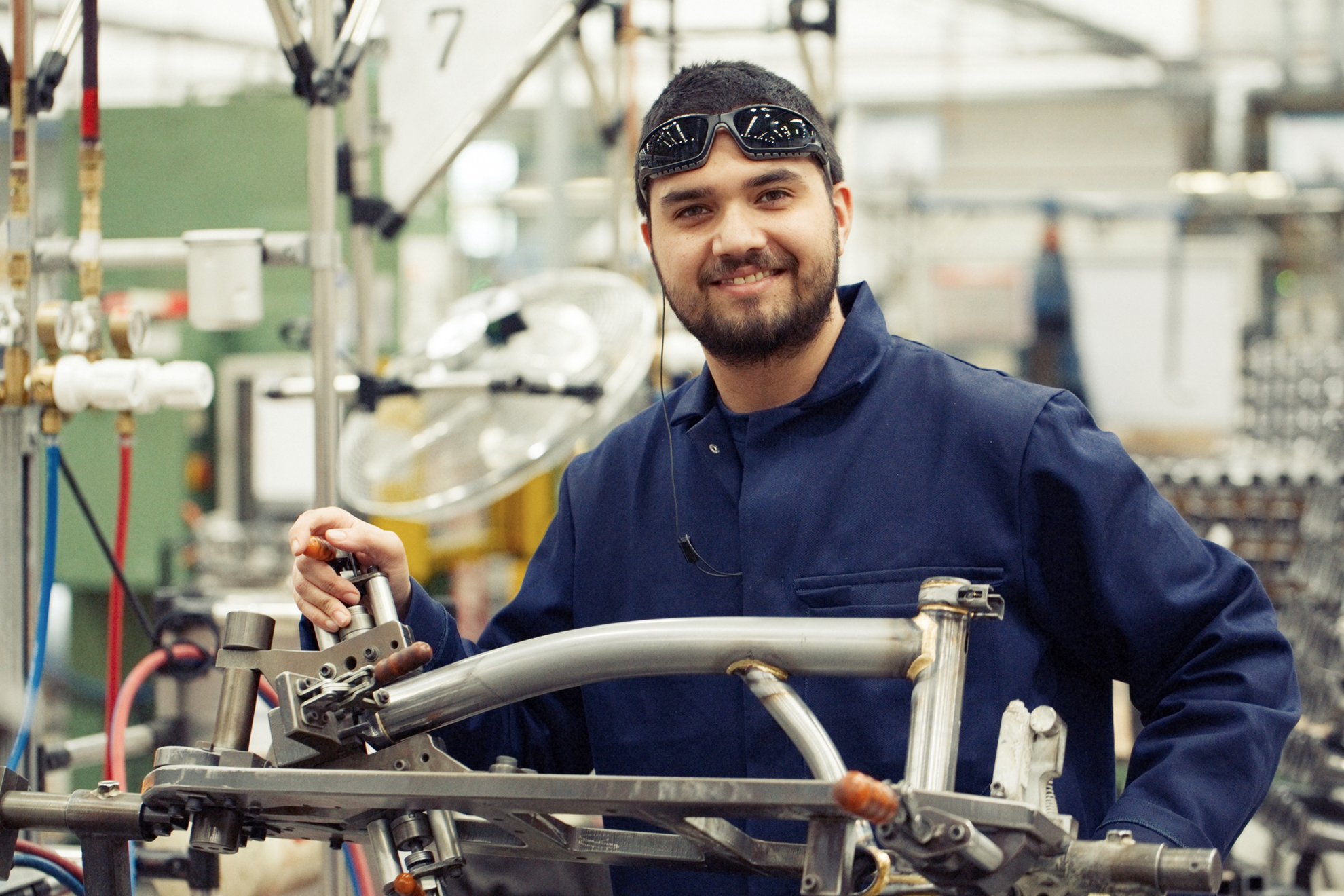 The bike maker’s London plant can make 100,000 bikes a year – but could run out of space in the 2020s.



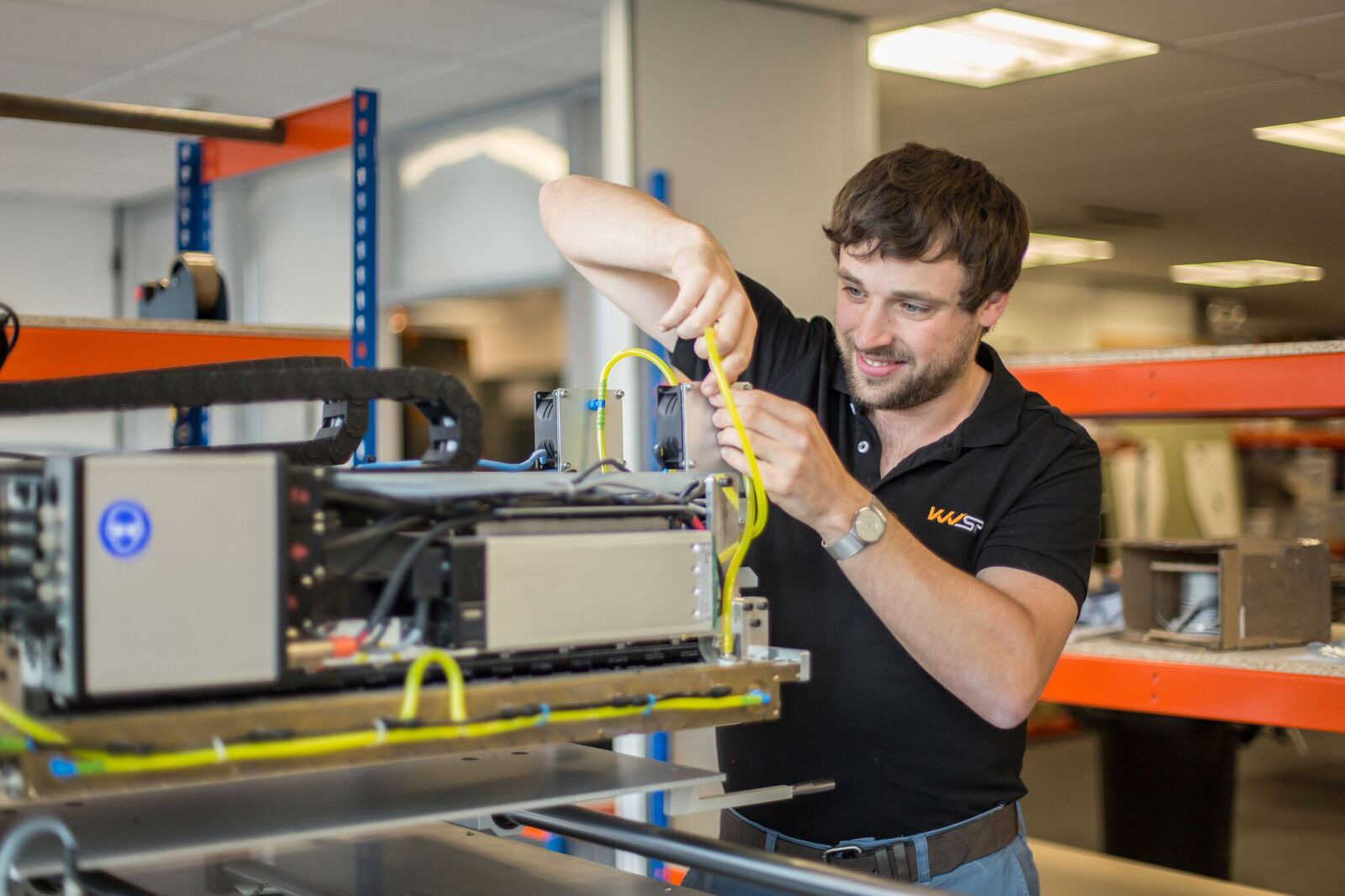 KWSP is a leader in precision manufacturing and is among Uniti’s technology partners
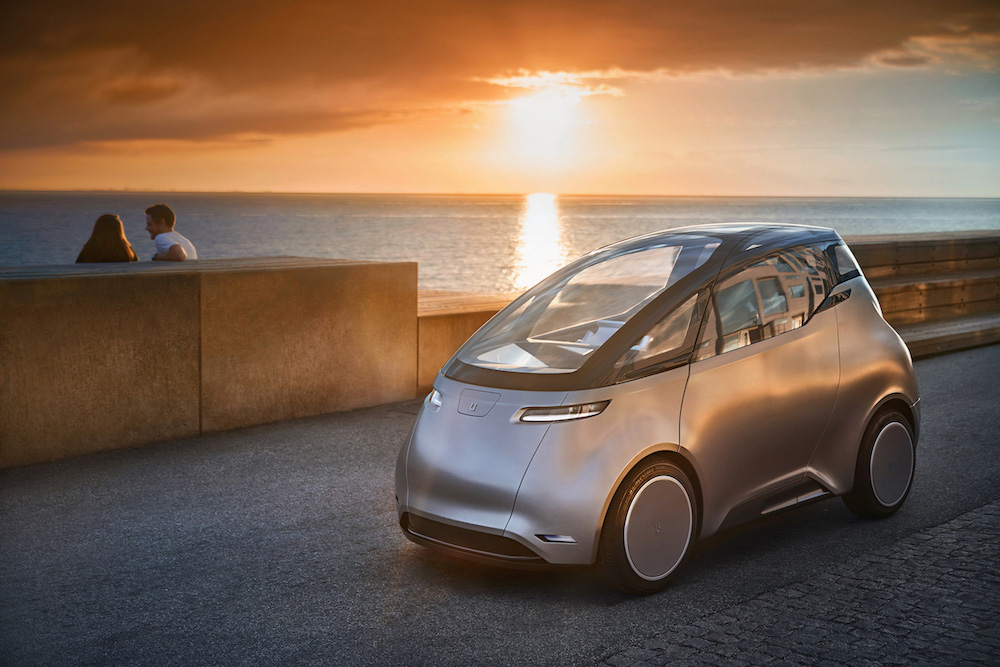 Uniti’s vehicles will be made using 3D printing and are meant to appeal to people keen on ecological living
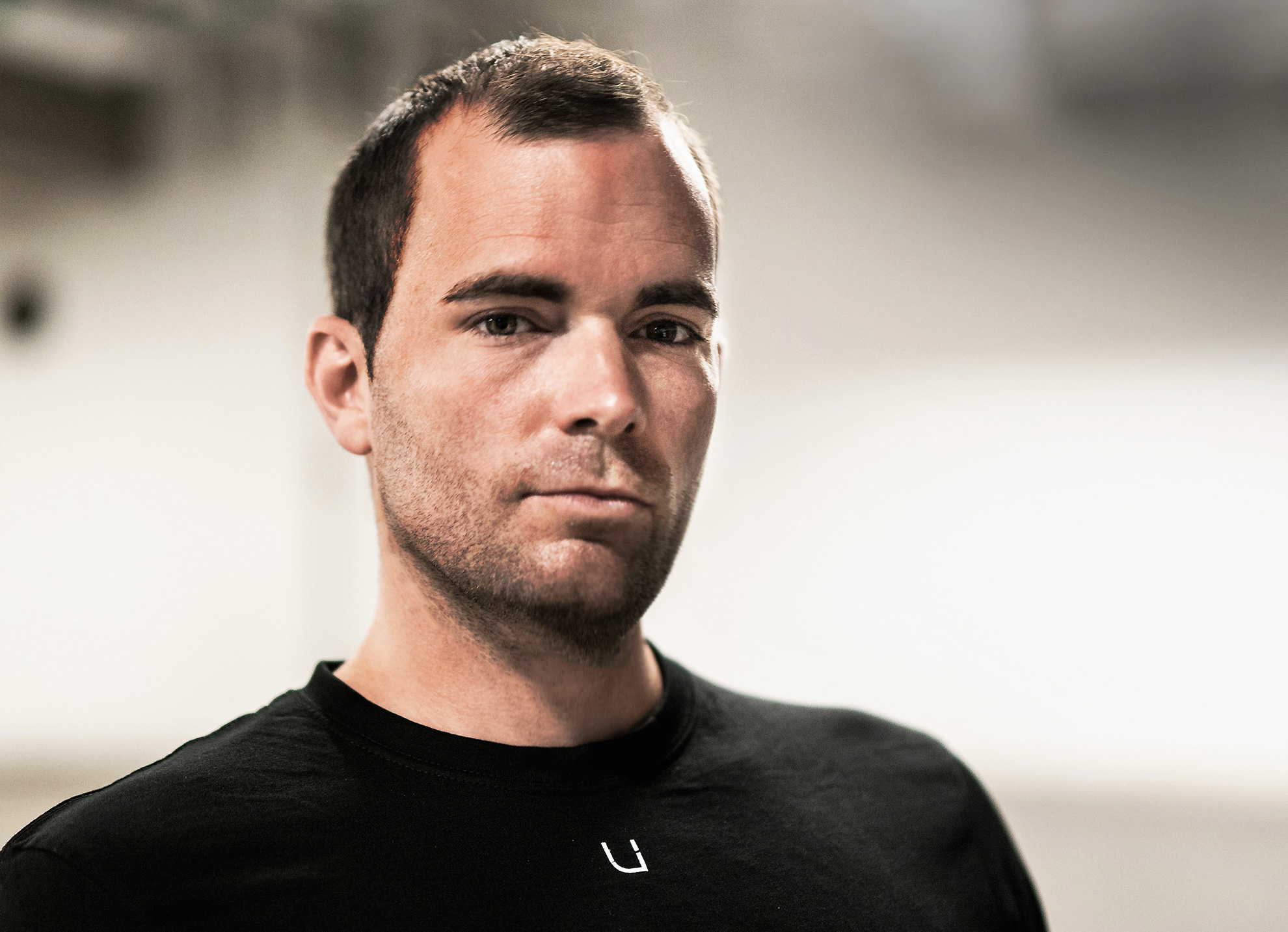 Lewis Horne, Uniti’s 34-year-old chief executive, was drawn to the UK by its speciality engineering suppliers
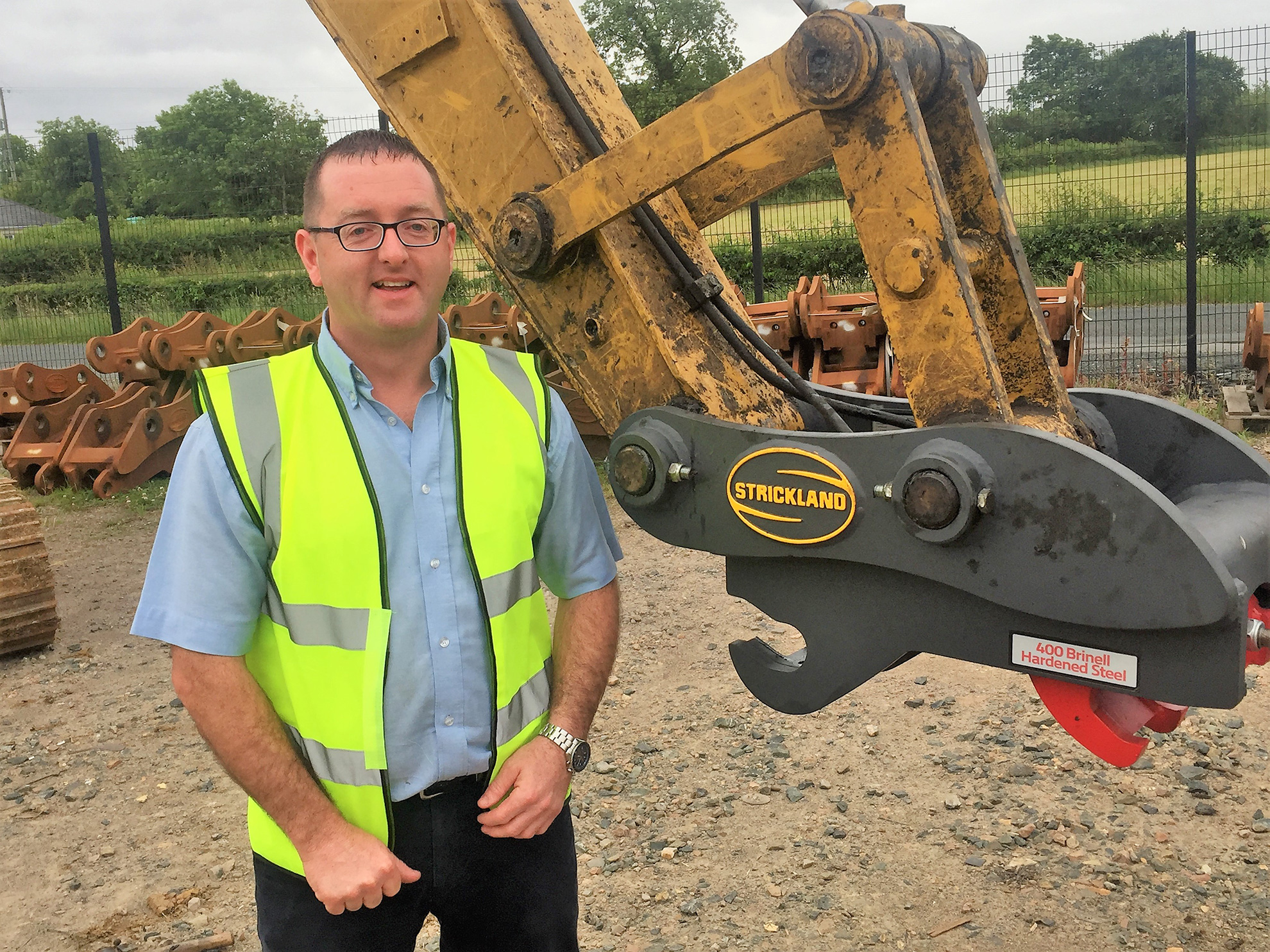 Brexit is a “mess” says Connor McGuckin of Strickland
 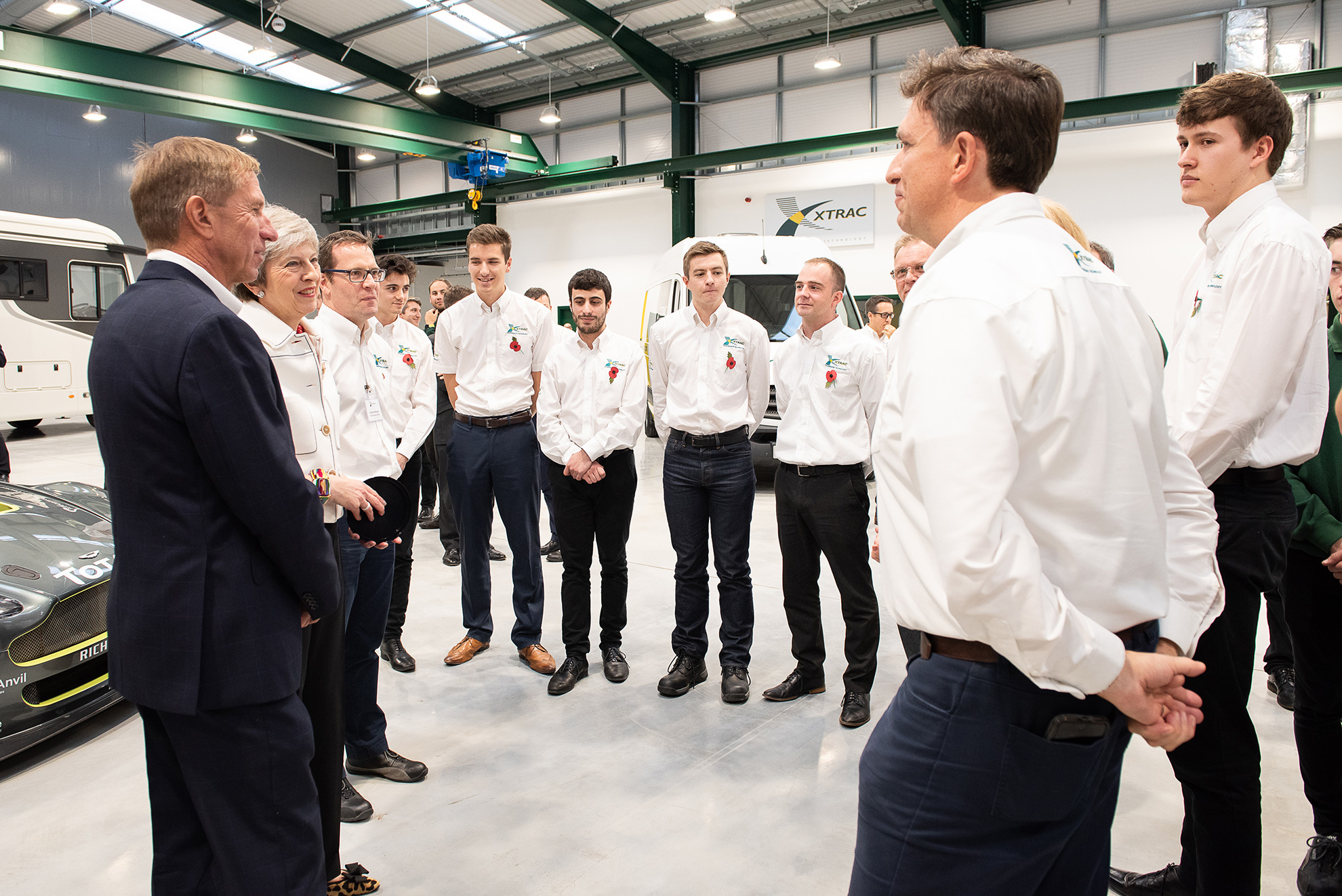 Ex-prime minister Theresa May found time during Brexit discussions to visit Xtrac’s expanding factory in Berkshire
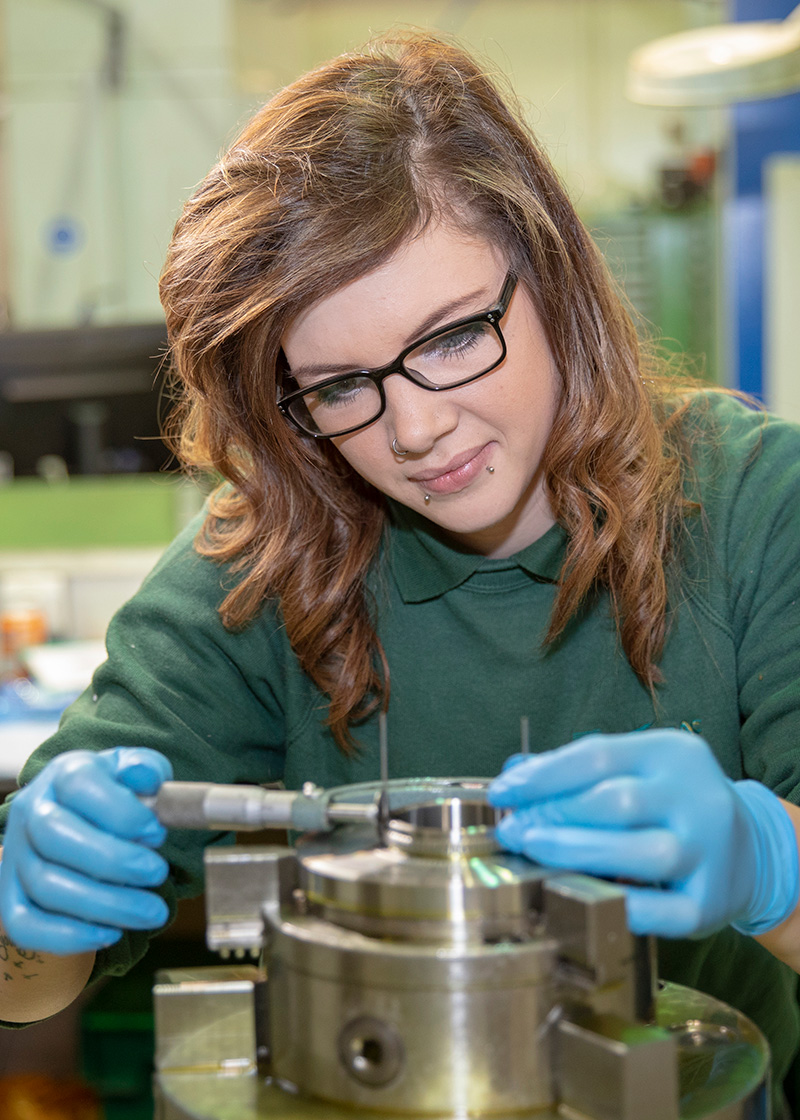 The specialised automotive maker is gearing up for growth by recruiting more apprentices including Chloe Noble who joined in 2018
 Trunki’s plastic suitcases for children have become a feature at many airports
-,with-gocart.jpg) Racing karts made from 3D-printed parts are at the centre of programmes organised by the Blair Project, supported by Create Education
Racing karts made from 3D-printed parts are at the centre of programmes organised by the Blair Project, supported by Create Education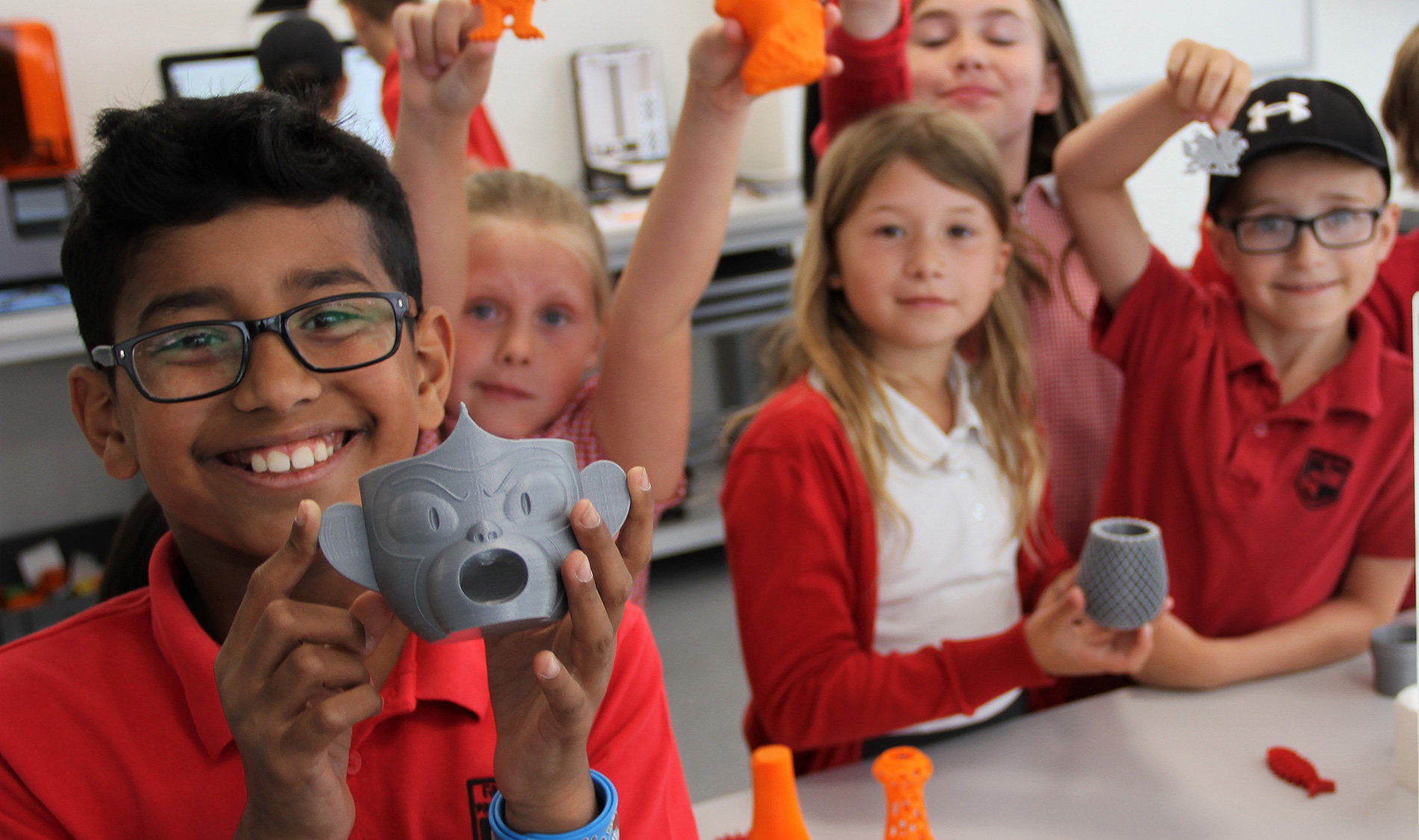 Children learn about 3D printing at Renishaw’s education centre in Miskin, south Wales
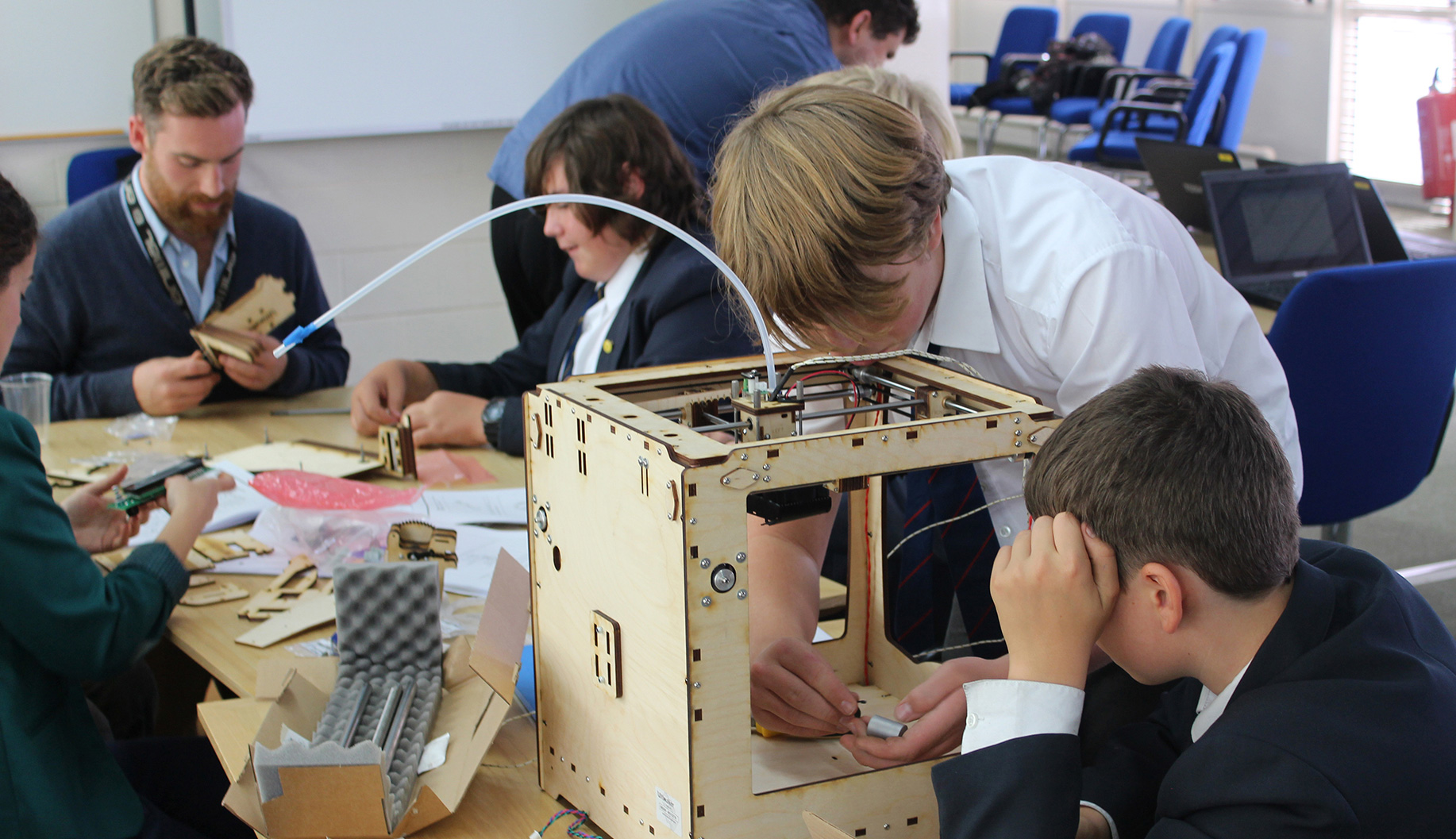 Small desktop machines for schools give young people practical experience of modern design and manufacturing
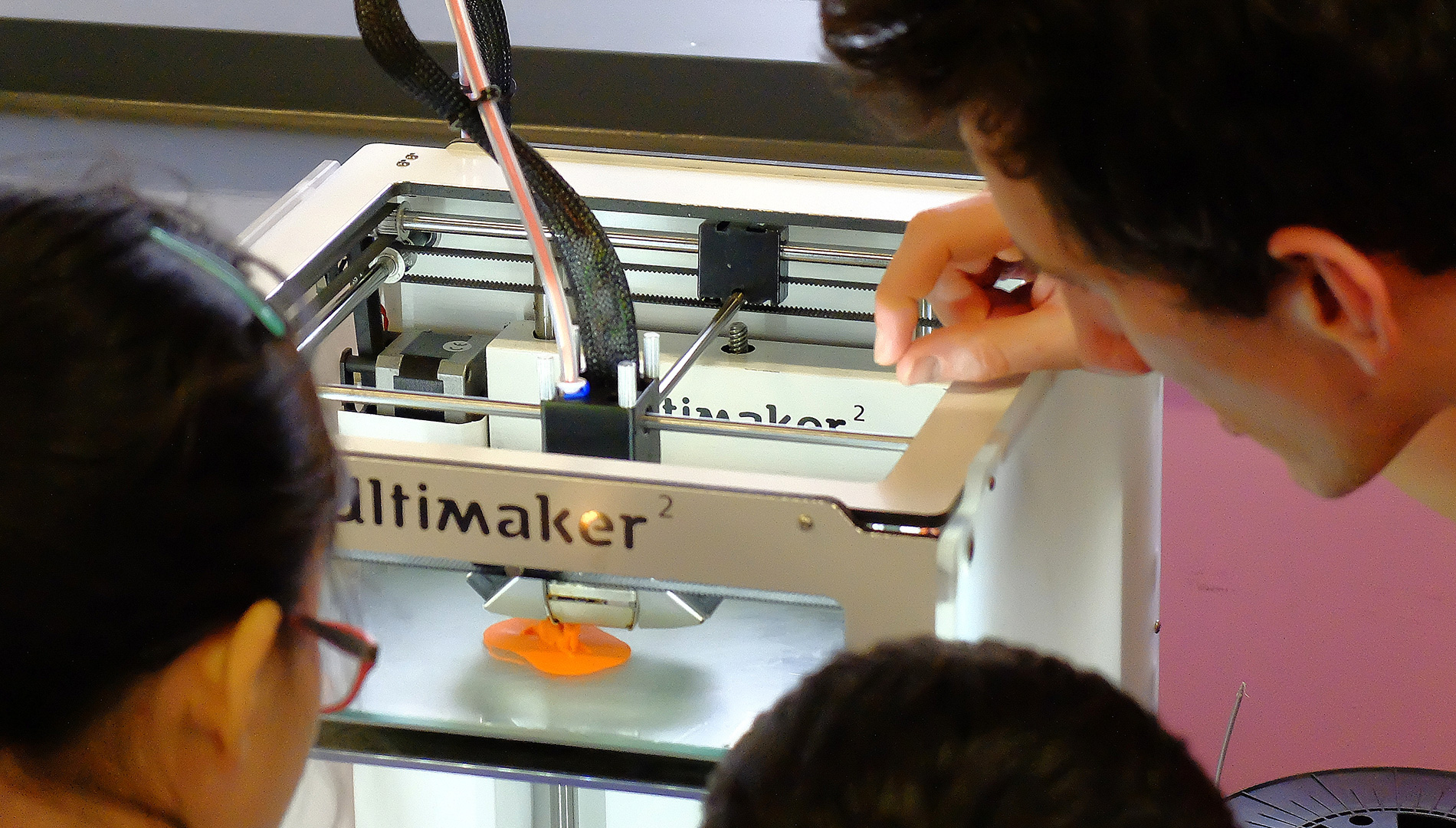 Additive manufacturing may help tutor tomorrow’s engineers


Reshoring: New UK plant preserves advantages for food packaging maker
Britain’s European Union exit could make it harder for UK-based businesses to import products from the rest of Europe, should onerous customs restrictions kick in.
To ease such difficulties, some companies have said they will add to their UK manufacturing operations through “reshoring” – and this is the path adopted by Aegg, a maker of plastic packaging for the food industry which is starting production in 2019 at a new plant in in Eye, Suffolk.
This is the first time Aegg has had its own factory in the UK. It has had its products made in Britain before, but by contractors.
The £2.1m investment will lead to a “significant” rise in the amount of Aegg’s products made in the UK, the company says. At present, Aegg’s packaging items are produced in several factories worldwide, mostly run by other manufacturers.
Jamie Gorman, managing director, says the new unit “will allow Aegg to better serve customers who would otherwise be adversely affected [by supply chain disruptions] …. in the aftermath of Brexit”.
It will also help meet expanding UK demand for the company’s plastic food pots and bowls, and give the company more opportunity to invest in new products. Gorman believes Aegg will have more leeway to introduce novel ideas into its manufacturing – such as through new designs or plastics tooling – if it has its complete control.
Aegg has just a handful of employees at the Eye plant but says this should rise to about 55 during 2019/20 as production ramps up.