A “green-tech” leader and an electrical equipment pioneer have teamed up to champion a potentially ground-breaking energy-saving fix for manufacturing machines, highlighting how small changes in industry can help to combat global warming.
The innovation could be relevant for 10,000 UK metal-cutting machines that make items from cars to kitchen equipment, lowering their power consumption and so reducing carbon dioxide emissions from fossil-fuel burning power stations.
Josh Dugdale, a technical expert at the Manufacturing Technologies Association, the main UK trade body for the machine tool industry, welcomed the energy saving idea, especially in light of the “huge pressure on the manufacturing industry to show greater green credentials and be more sustainable.” Another leading industry figure said implementing the improvement would be a “no brainer” for many machinery users.
The new technology’s main promoter is Chris Rea, who runs a big South Yorkshire-based engineering group and a strong advocate of greater environmental awareness in industry. Rea’s partner is Alex Mardapittas, managing director of energy equipment business Powerstar, which makes specialised electrical devices called amorphous core transformers (ACTs) that are central to the development.
Rea is managing director and owner of AESSEAL, one of the world’s biggest makers of mechanical seals used in installations such as chemical works. He says the transformer innovation is just one of many ideas that if widely adopted in industry could help alleviate global warming by reducing carbon emissions. Rea has started a website, Betterworld Solutions, to encourage new thinking on sustainability across industry.
“Investment policy to prevent global warming…is essential not just to businesses but to species survival,” says Rea, who started his business in 1981. AESSEAL employs some 1,700 people, 40 per cent of them in the UK, and had sales in 2021 of £194m. It has a large apprentice programme and is a sponsor of Made Here Now.
Transformers are needed to change the voltages of many types of machine tools – the workhorses of manufacturing – used in UK factories. The need for this adaptation applies particularly to machines made in Asia, where local standards for power supply differ from those in Britain. Around half of the roughly 2,000 machine tools imported into the UK each year come from Asia, with Japan and China supplying the bulk, followed by South Korea and Taiwan.
Up to now most distributors and users have tackled the voltage issue by installing a relatively cheap conventional transformer based on non-amorphous, crystalline steel cores.
Powerstar says it is the only UK company making ACTs – which can reduce the energy losses experienced with conventional transformers by some 90 per cent but which are harder to make and cost more. Mardapittas says: “I think the machine tool industry will be receptive to what we are doing, so I anticipate getting a good stream of orders.”
 The big machine tool maker DMG Mori has thrown its weight behind ideas to add a novel energy-saving accessory to factory machines
Japan-based DMG Mori, one of the world’s biggest machine tool producers, is a strong supporter of the innovation. Referring to Rea’s espousal of Powerstar’s devices, Steve Finn, managing director of DMG Mori’s UK operations, says: “Chris has opened our eyes to the advantages of using this sort of transformer in the power systems for those machine tools that require voltage adaptation. He is 100 per cent right to point out the energy saving benefits …using this technology could lead to significant reductions in CO2 emissions.”
DMG Mori says that from now on all its machine tools sold in Britain that need transformers will be fitted with the Powerstar products, as opposed to the old-style systems. “We expect a lot of our customers will be enthusiastic about using these types of transformers,” Finn says. In a typical year, DMG Mori could sell 100 machines to UK customers fitted with ACTs.
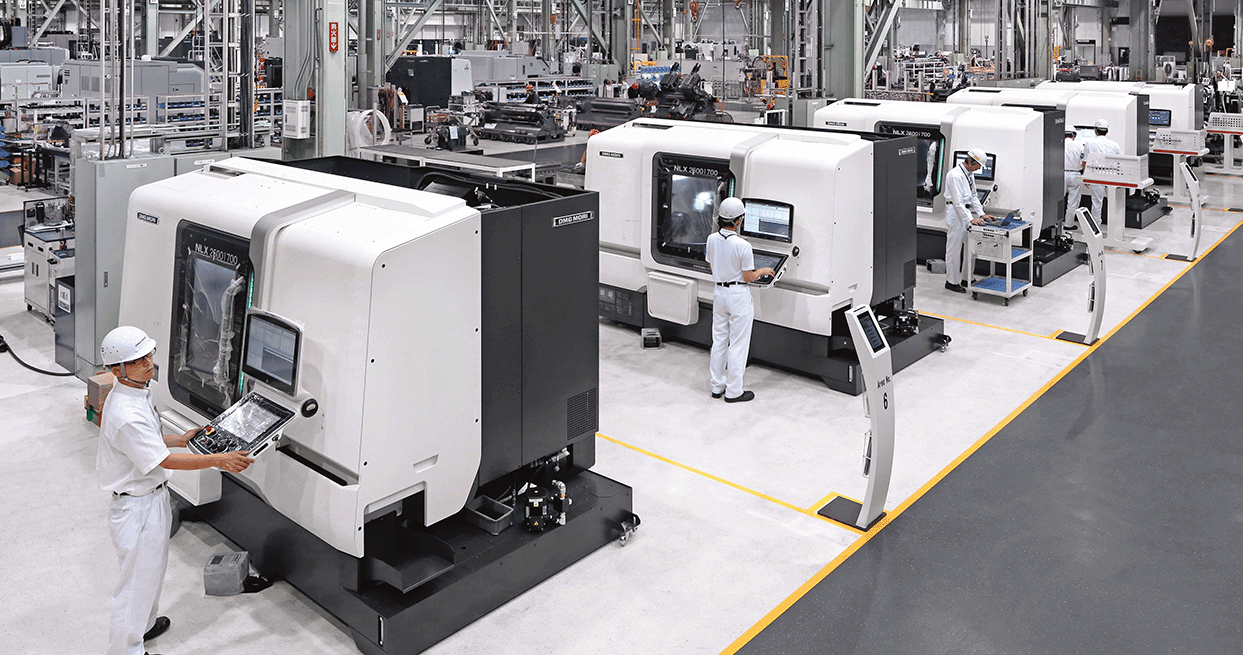 Highly adaptable – and expensive – metal cutting machines are the work horses of industry and big users of electricity
Martin Doyle, managing director of Engineering Technology Group, a large machinery distributor in Warwickshire that sells mainly Asian equipment, says that while ACTs are at least twice the price of conventional ones, “the energy savings are such that a company can get its money back in about two years, and after this save substantial sums.” As a result, says Doyle, introducing the technology “is a no-brainer”.
Doyle’s company has agreed to sell Powerstar’s ACTs as accessories to all the machine tools it sells in the UK where voltage adaptation is required. It will also try to interest customers in Powerstar ACTs as substitutes for existing ferrite-core devices.
In recent years, ETG – which does not handle any DMG Mori hardware – has sold about 75 machine tools a year in the UK that need a transformer. This implies that Powerstar might expect to gain 70-80 new customers annually through the connection with Doyle.
Khalil Zouari, European sales engineering manager at Nakamura-Tome Precision Industry, a Japanese machine maker which uses ETG as a distributor, says two of Nakamura’s UK customers have switched to ACTs with “good results”.
One big machine tool business that has however decided not to back ACTs is Yamazaki Mazak. The Japanese company has instead decided that when selling Japanese-made machines in the UK, it will “design out” the need for transformers by making the necessary electrical adaptations in its Japanese factories.
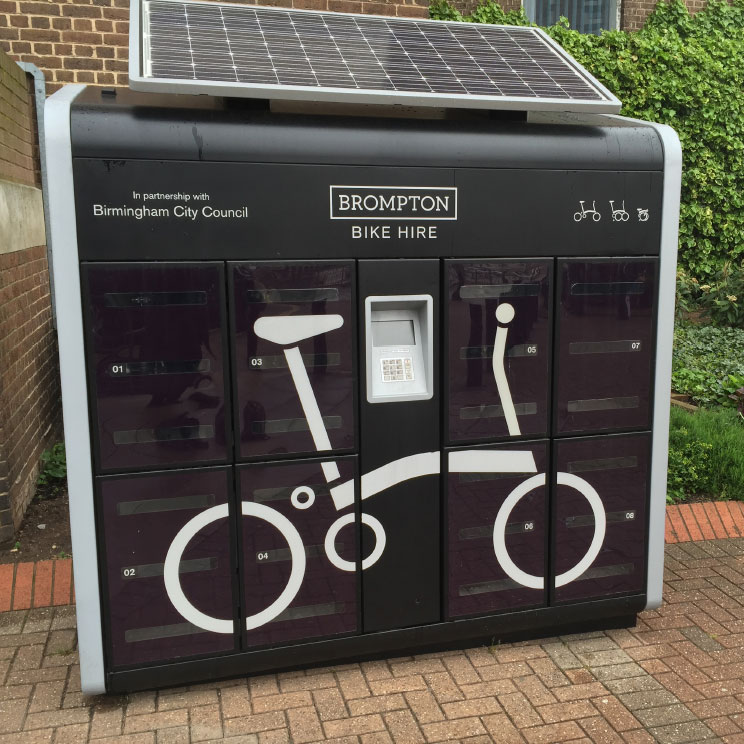
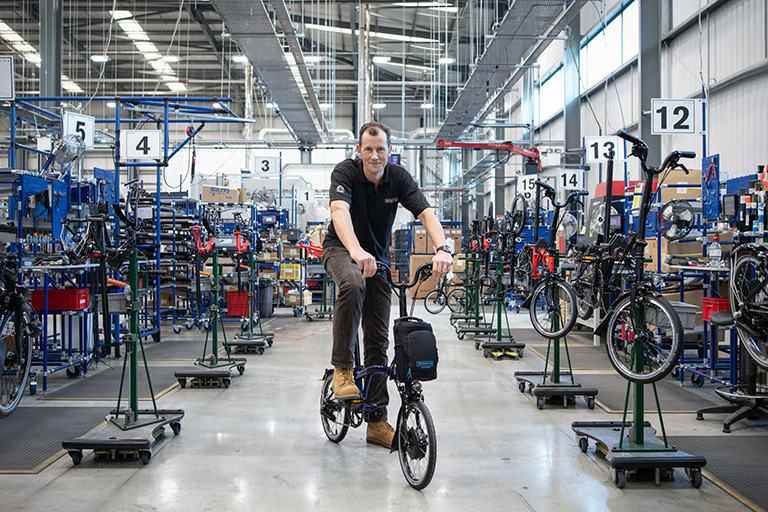 Chief executive Will Butler-Adams says the new plant should set Brompton up for growth over the next 30 years
 The new plant – due to be built in a nature reserve – will use modern design to cut energy use
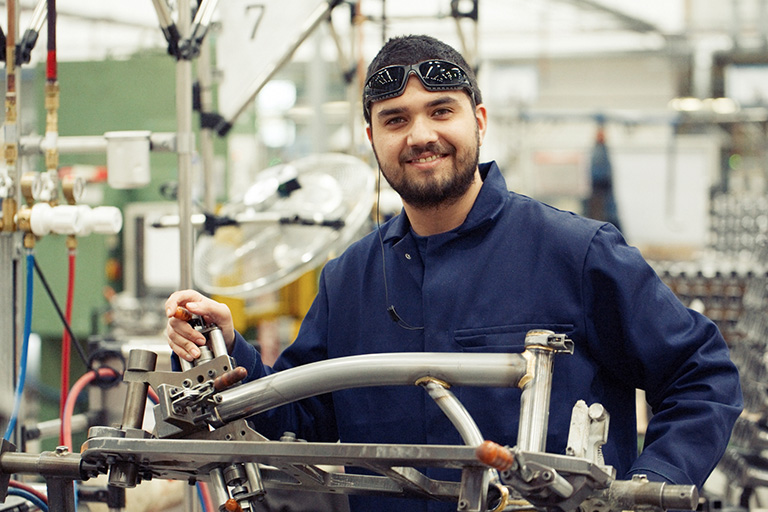 Brompton’s employee numbers could rise from about 800 now – most of them based in the company’s London HQ – to 1,500 by the time the new factory opens
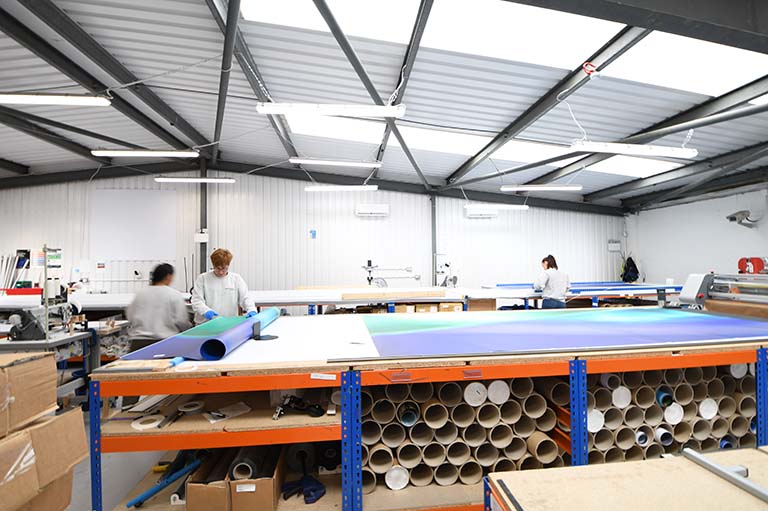 Not everyone who benefits from the commission’s wealth necessarily goes on to form their own business. Many are simply keen to develop a career in industry – or to do something else altogether. Take Marta Ferran-Marqués, a materials specialist from Spain doing a commission-funded PhD in manufacturing engineering at
 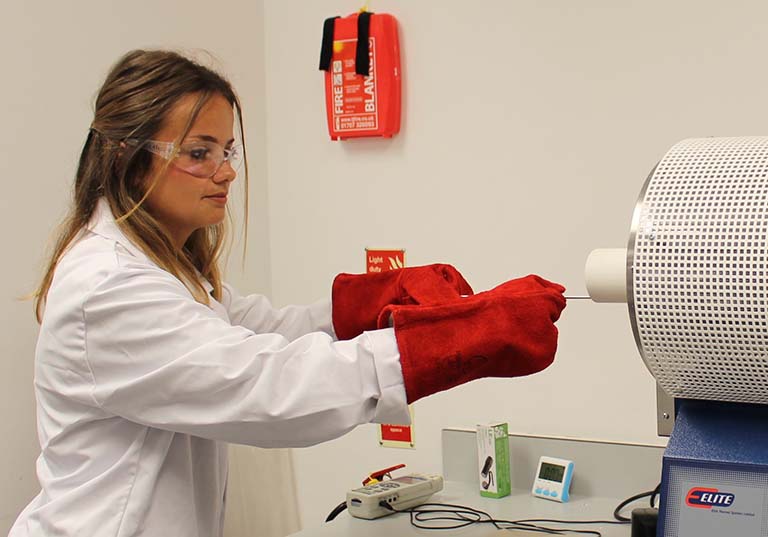 She applied to join the astronaut training programme at the
  One possibility is new techniques, based on 3D printing and other emerging technologies, to make environmentally benign substitutes for plastics. “I’m hoping what I am doing will lead eventually to a step change in the way we make products, based not just on graphite but other materials too. Materials are fundamental to everything we do.”
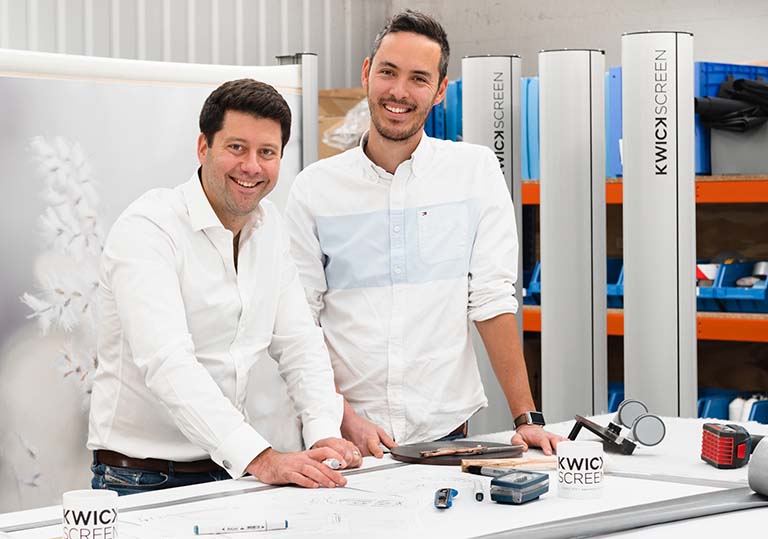 Alan Murrell (pictured right) met KwickScreen’s co-founder Michael Korn (left) while a student.
 Against the trend towards offshoring, Renishaw sees “real positives” about keeping most of this company’s manufacturing and development in the UK.
 A key part of Renishaw‘s long-term recruitment efforts involves going into schools to tell youngsters about technology.
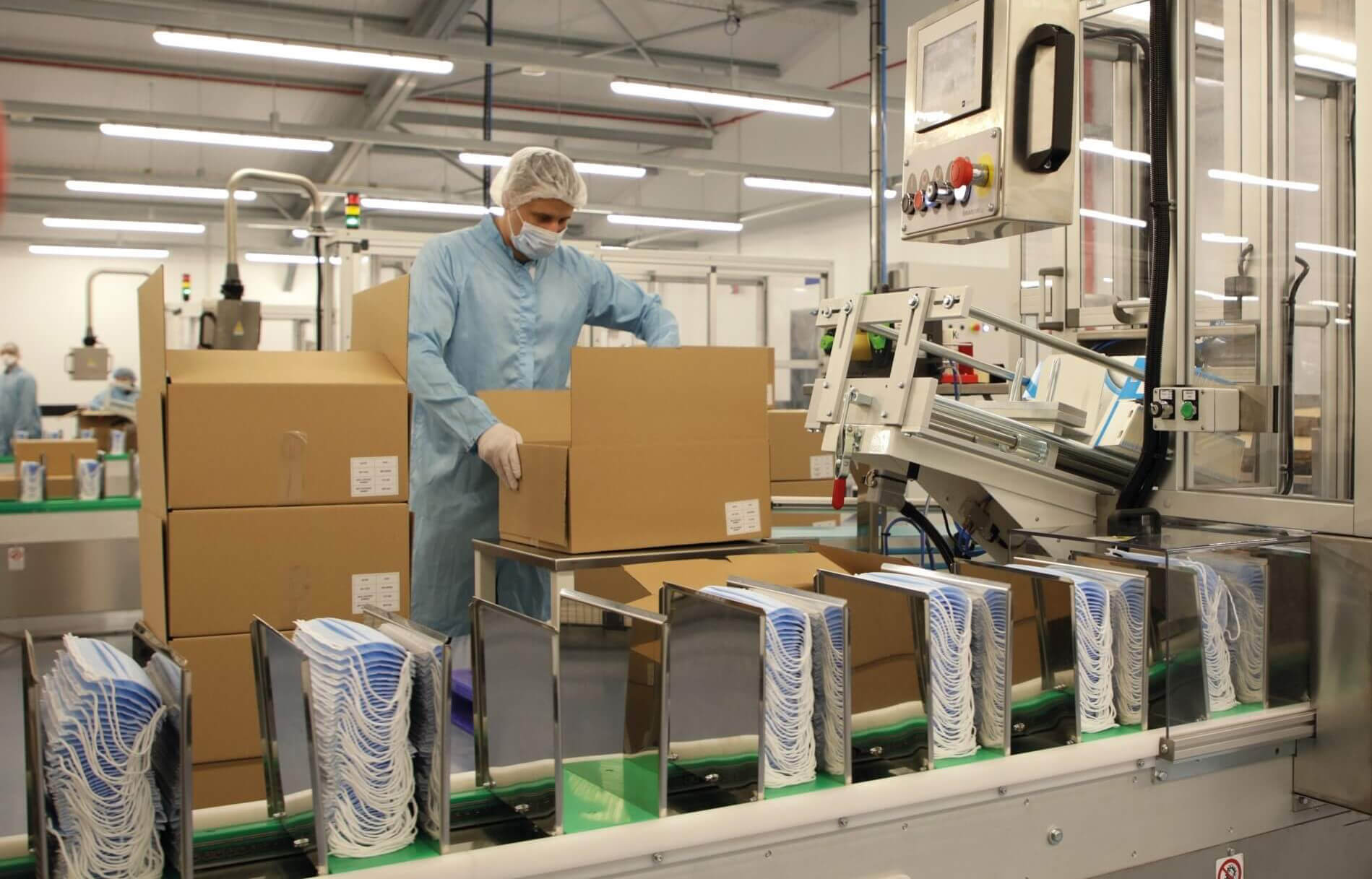
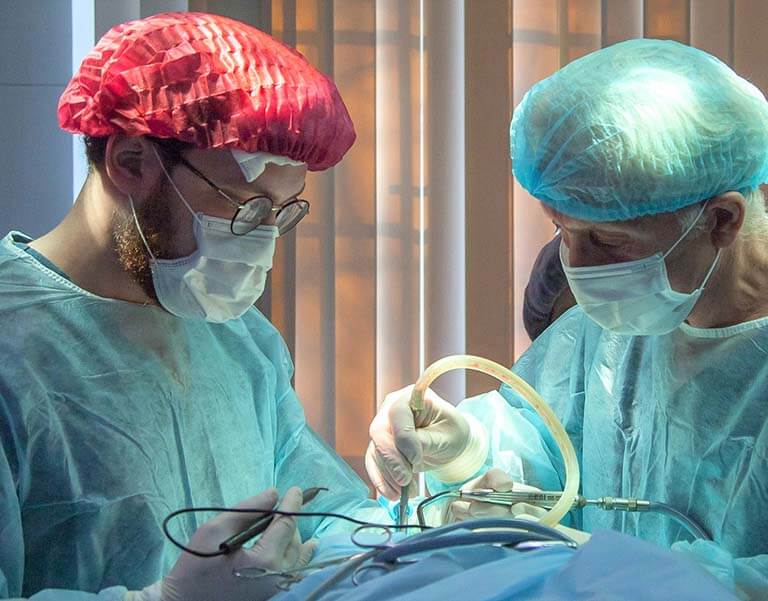 Official plans call for at least 50 per cent of protective health equipment used in the UK to be made in domestic plants – but the government has declined to provide detailsPPE is the term for items such as facemasks, gowns, aprons and eye protectors used by health workers to shield them from viral infection. Formerly a manufacturing backwater, PPE is now regarded as a strategic industry: in the first year of the pandemic, the UK government spent a massive £15bn buying PPE. Most orders went to overseas manufacturers.
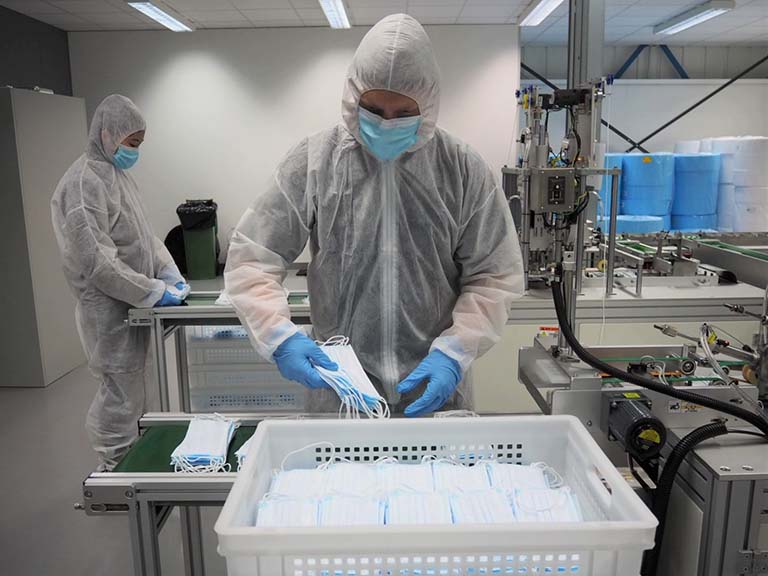
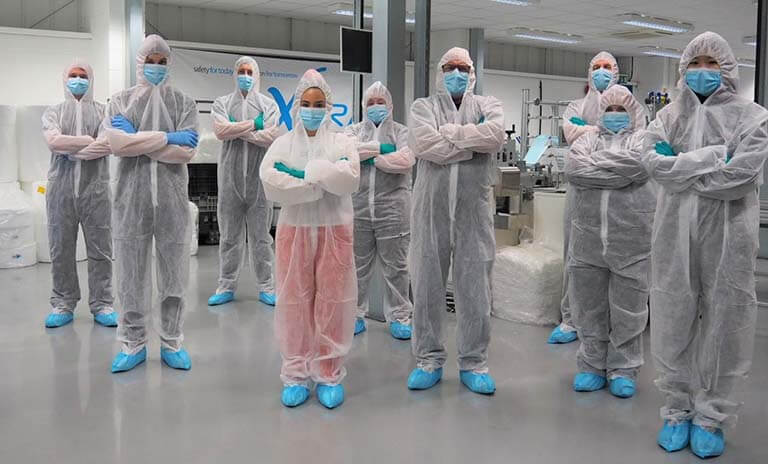 A series of UK and overseas-based manufacturers have invested in making protective equipment in the UK, creating more than 1,000 jobsBen Fletcher, chief operating officer at the manufacturing trade body MakeUK, would like the government to clarify its intentions. “We’d like to see the government change its model for PPE procurement to one that [considers] environmental and social costs as well as price, and as a result encourages more UK-based manufacturing. This would have to go beyond an expression of intent and be based on awarding long-term contracts to recognised UK-based suppliers.” Tony Bellis, head of government affairs at the UK arm of US industrial group 3M, said ministers should “find a balance between giving long-term contracts to UK based companies [for PPE manufacturing] … and allowing trusted suppliers to curate their own [overseas-based] supply chains”.
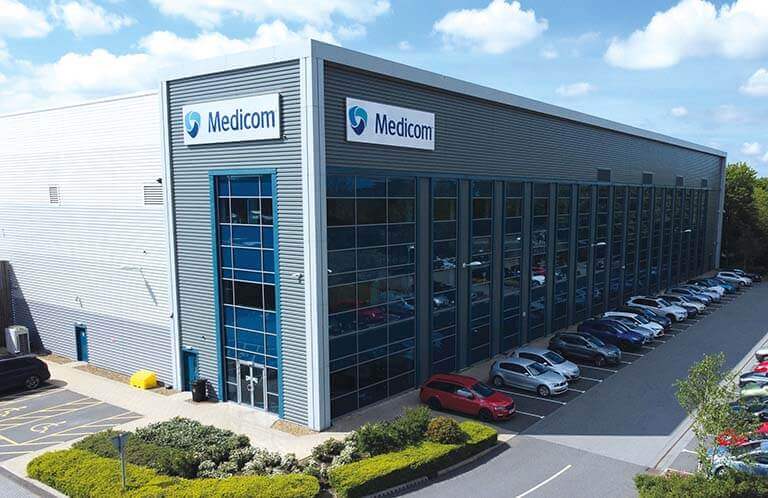 Medicom – a big Canadian healthcare business – has started its first British plant in Northampton to make hospital masksGuney said she spent months trying to start contract discussions with the DHSC, going so far as to directly lobby Johnson and the former health secretary Matt Hancock. Ultimately, she said, she felt “abandoned” by the government.
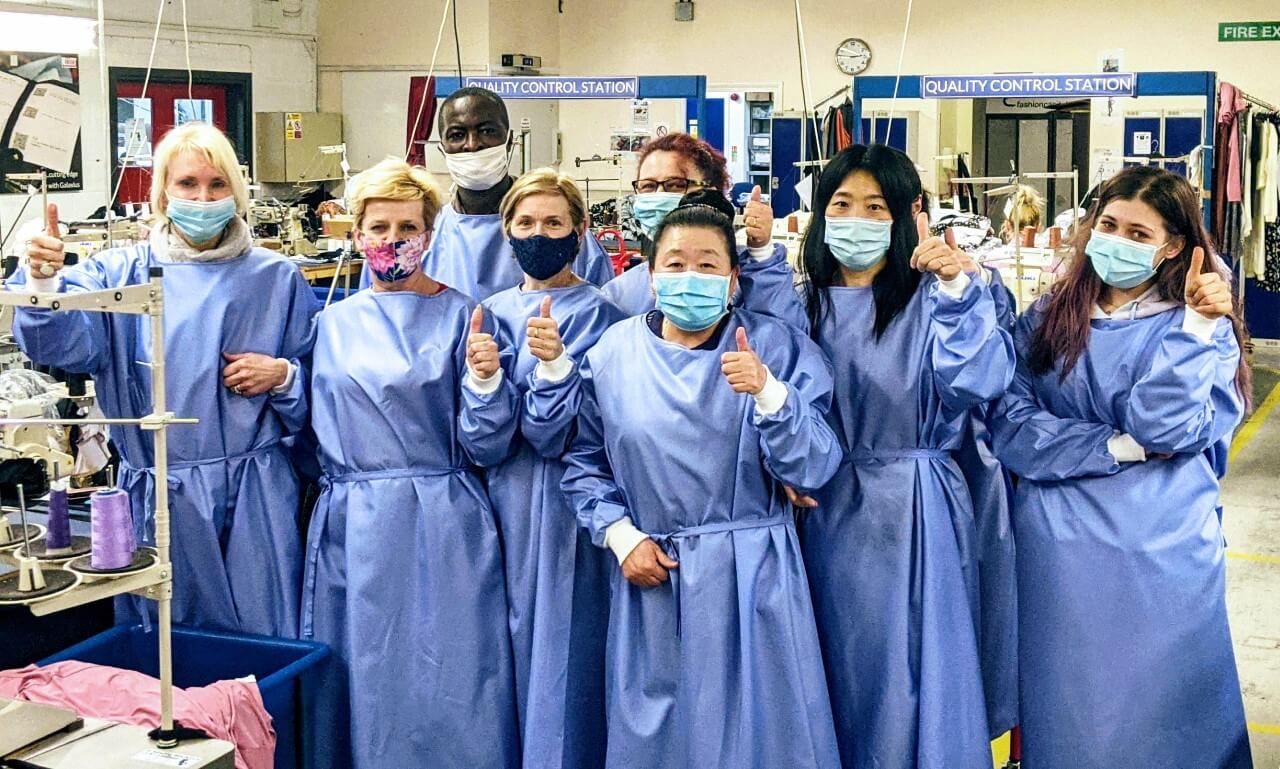 London-based Fashion Enter spent £100,000 making a new range of reusable hospital gowns but in its bid to win high-volume contracts has “hit a brick wall”Two distinct groups have emerged among the companies that have started or expanded production of personal protection equipment (PPE) in the UK. In the first camp are those that have won sometimes big government PPE orders.
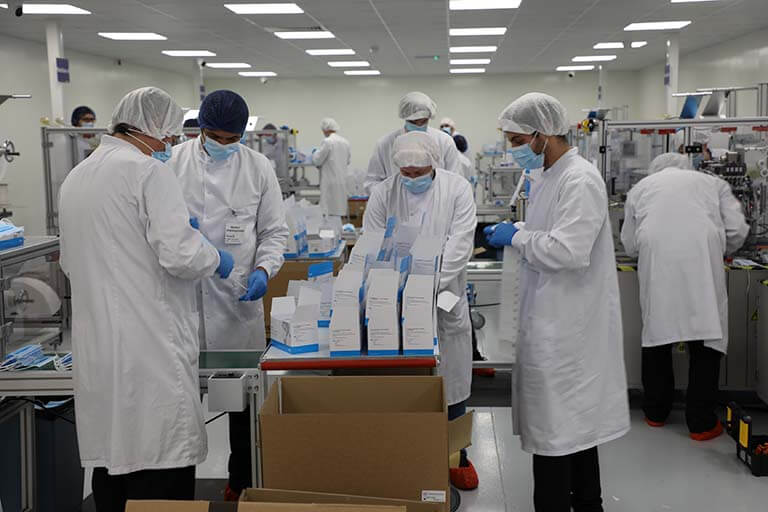 The Yorkshire company Bluetree has moved into making protective masks for heath workers and has added 240 jobsPaul Ingham, P&P’s managing director, said: “We had great support [on technical aspects] from InnovateUK. We received a lot of positive feedback from [local] health trusts.
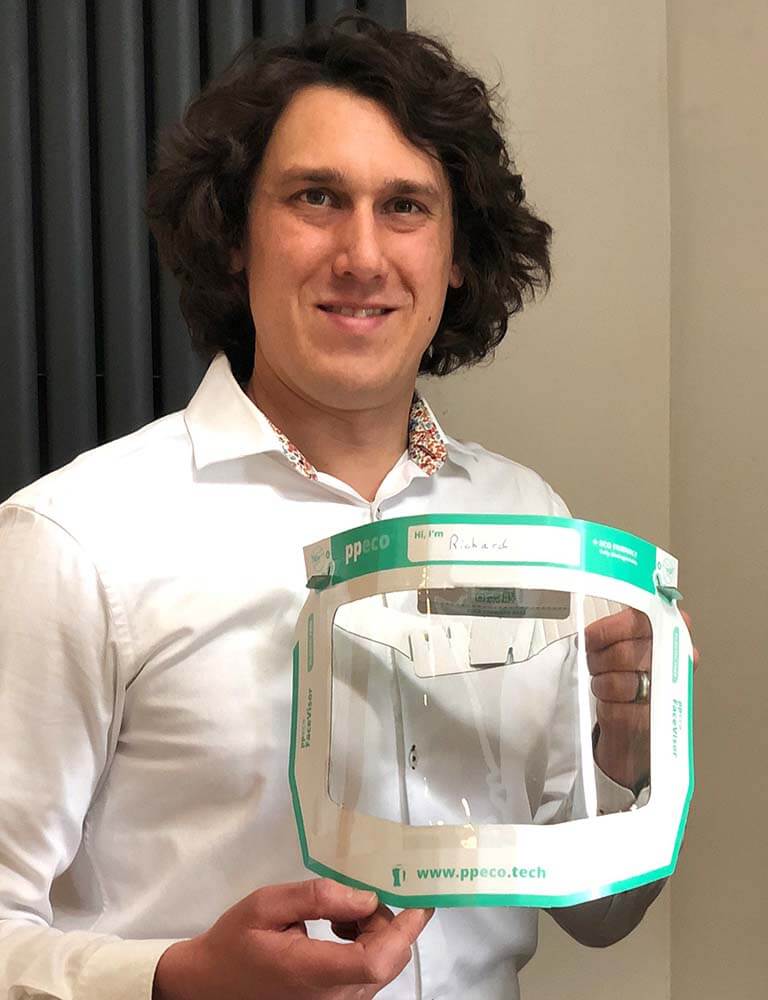 Richard Taylor of PPECO -pictured with one of his company’s biodegradable face visors – has tried hard to win government contractsBut Taylor has been disappointed by lack of success in using InnovateUK connections to create a pathway towards opening talks with government procurement agencies. “I thought we succeeded with our product development and after this had a good basis for discussions with other government departments about winning orders. In terms of how InnovateUK connects with other parts of the government on procurement, I feel there is room for improvement.”
 Use of protective equipment in hospitals during the pandemic has soared above official projections, stoking demand for more UK productionSince the start of the crisis, personal protective equipment (PPE) has been used in enormous quantities. Between February 2020 and September 30, 2020, the Department of Health and Social Care has bought and distributed more than 14bn individual pieces of PPE – most of which is used once and then discarded, creating huge waste. It says it ordered 32bn items.
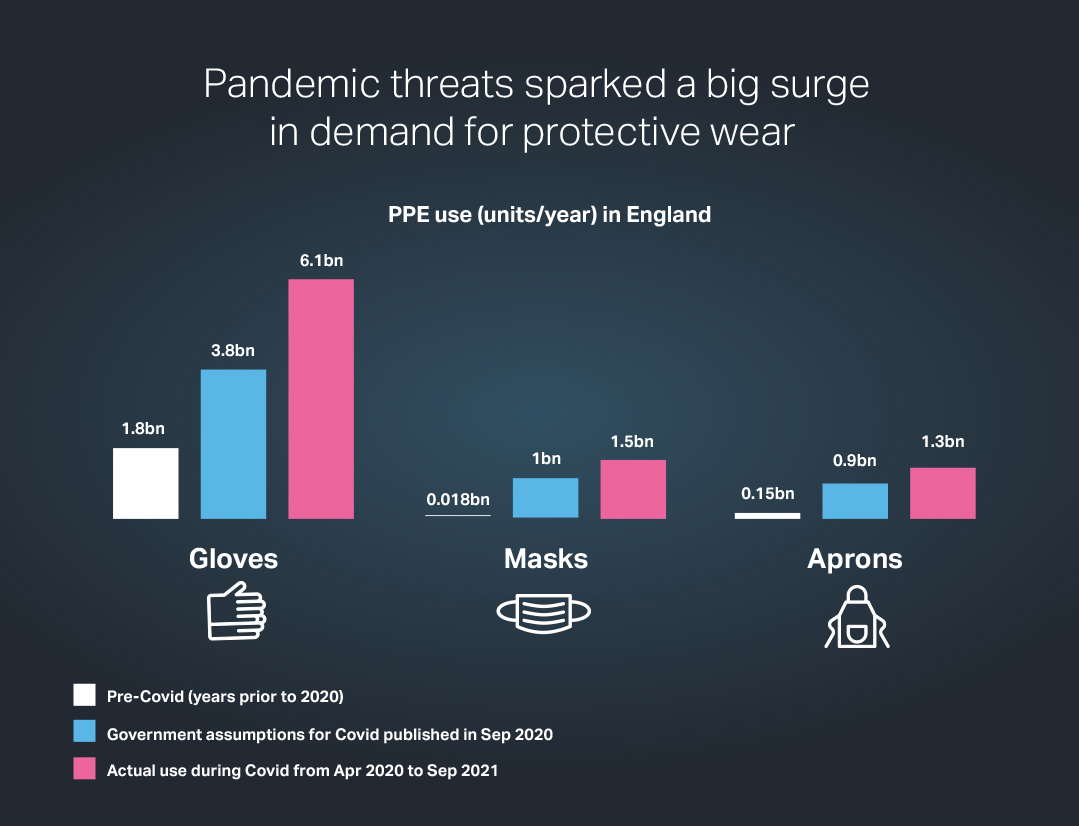 Source for all Charts : DHSC experimental statistics for PPE distribution in England; Government coronavirus daily updates; DHSC PPE strategy paper Sept 2020For instance, use of hospital isolation gowns in National Health Service centres in England was running at about 750,000 units a year before the pandemic. The strategy paper assumes that about 18m isolation gowns would be needed for a full year of Covid. In the event, about 41m were required.
 Use of protective equipment in the heath service has stayed extremely high, even as the pandemic’s impact has declined since its worst stagesData compiled by Made Here Now show that the intensity of use of personal protective equipment (PPE) – the total amount required, adjusted for the perceived severity of the pandemic as indicated by hospital Covid cases – has risen markedly since the early stages of the crisis.
 Made Here Now data based on the “intensity ratio” have revealed key trends shaping demand for items such as masks and gowns, pointing to a tightening of efforts to control infection in hospitals and other health settingsBehind the Made Here Now data is an analysis of the intensity ratio over the three six-month periods since around the start of the pandemic in April 2020 and for which government figures are available.
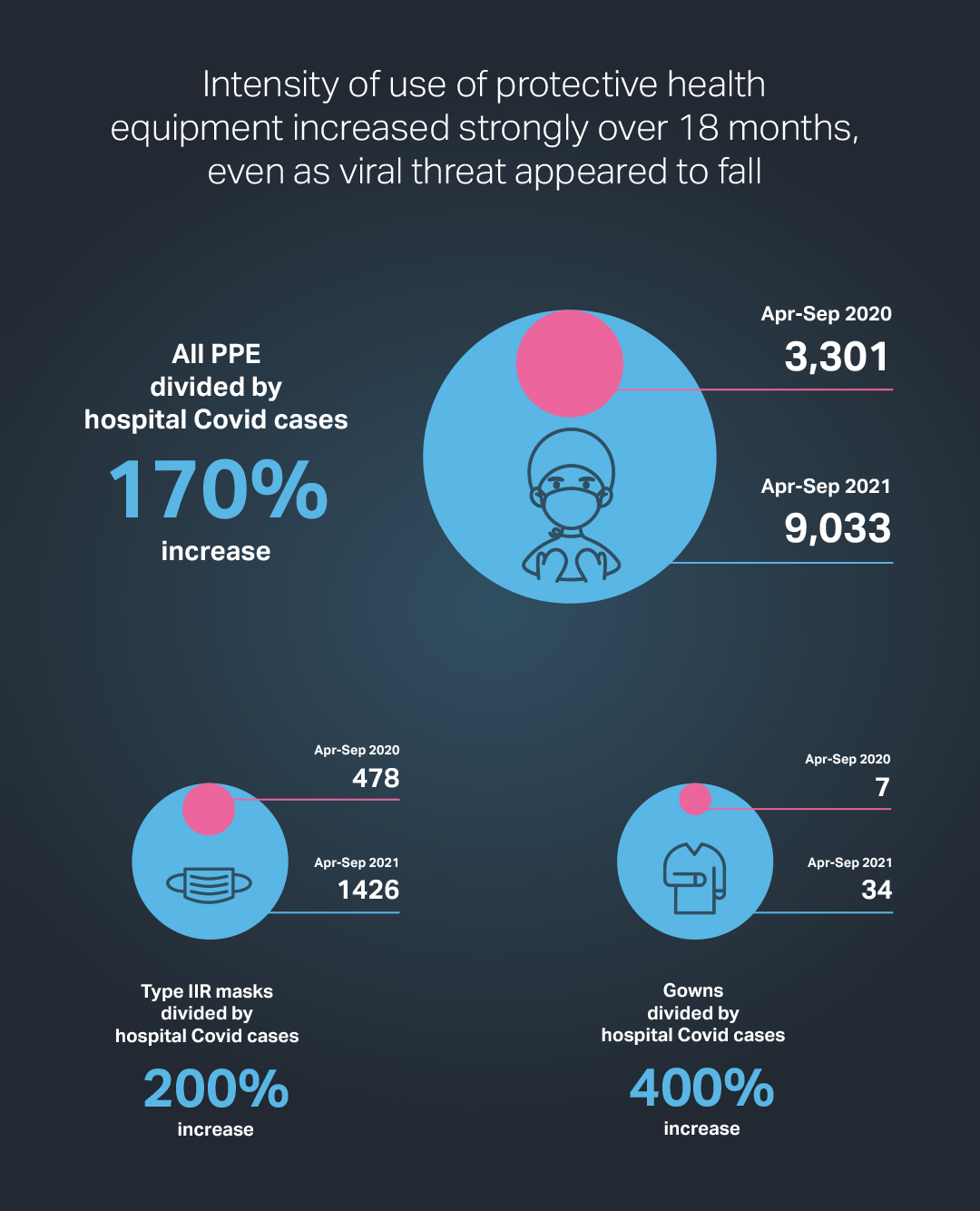 The intensity ratio is based on PPE use by the NHS for England only. Detailed data for PPE use in other parts of the UK are less easily available. Numbers of hospital cases are also based on data covering only England. Roughly 70 per cent of PPE purchased for the NHS is used in hospitals with the rest going to other places such as care homes and doctors’ surgeries.
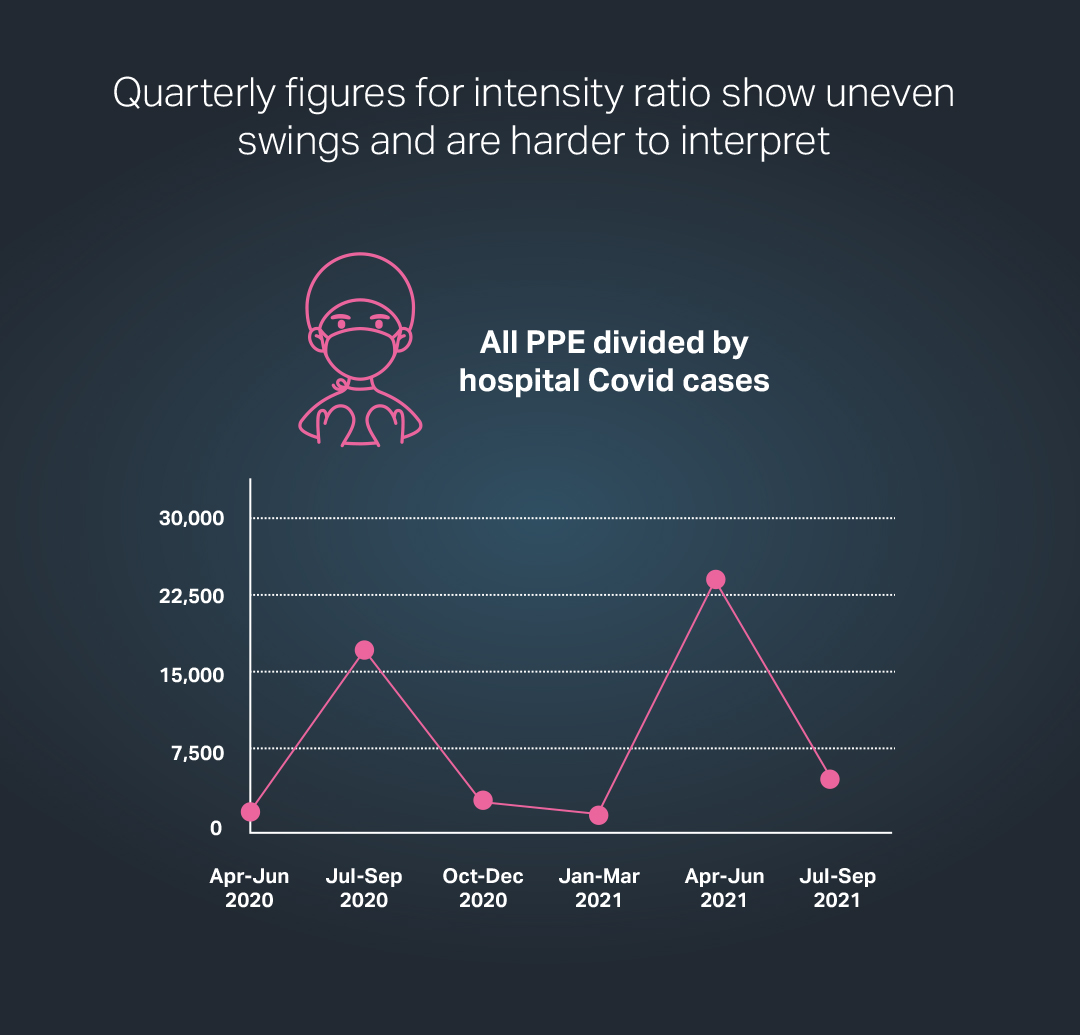 Source for all Charts : DHSC experimental statistics for PPE distribution in England; Government coronavirus daily updates; DHSC PPE strategy paper Sept 2020Under this method of analysis, the intensity ratio for the most recent three months – from July to September 2020 – comes in at 5,155, appreciably less than the figure of more than 23,000 registered for the quarter immediately before this when hospital cases were very high.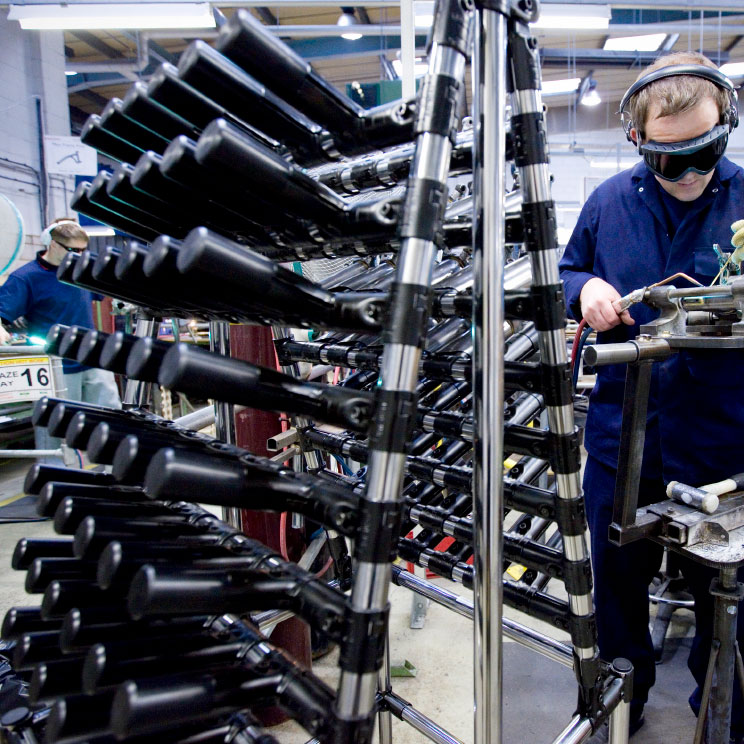

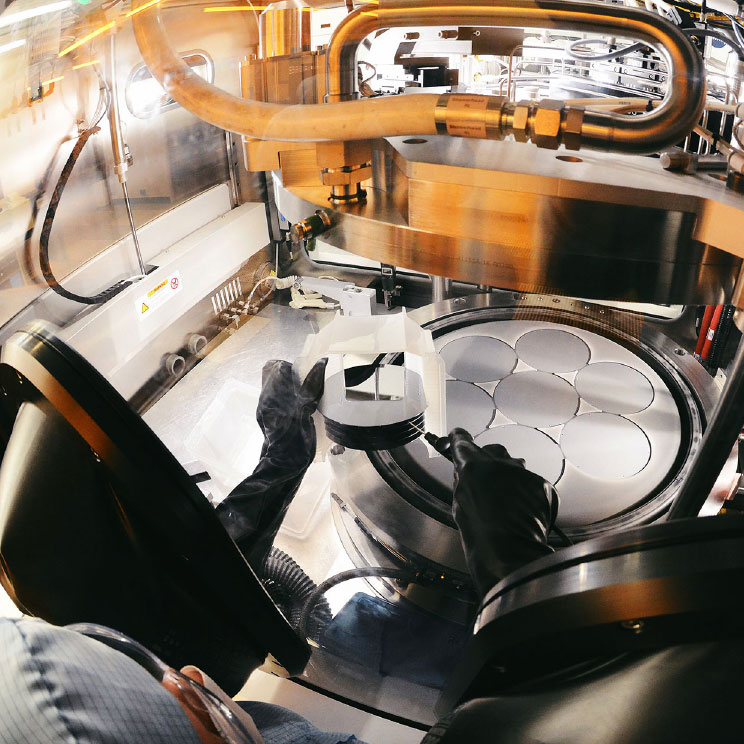
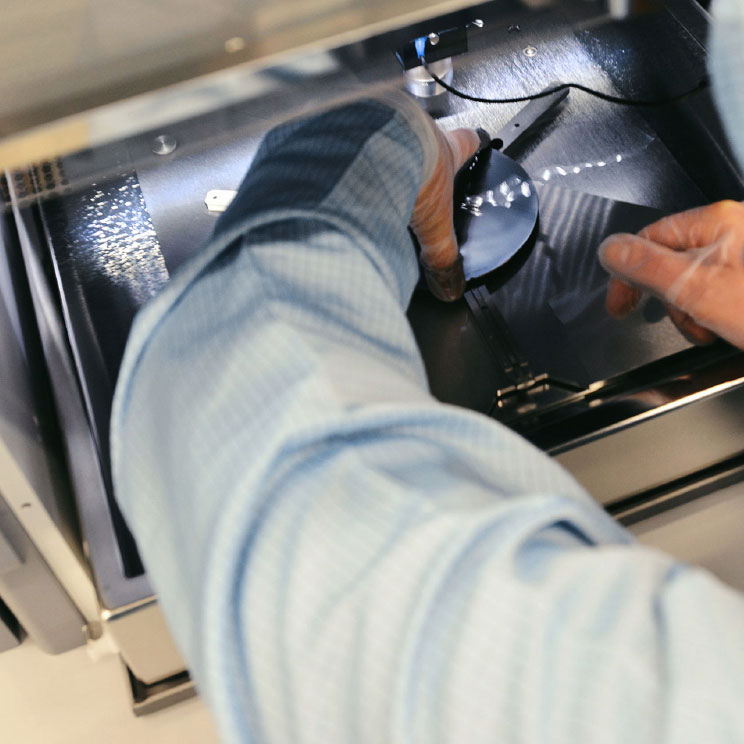
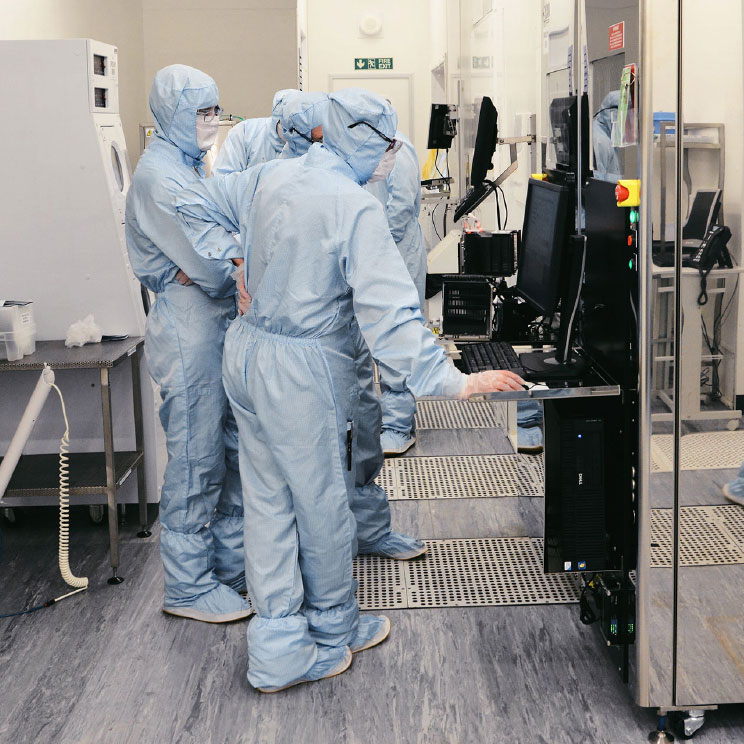
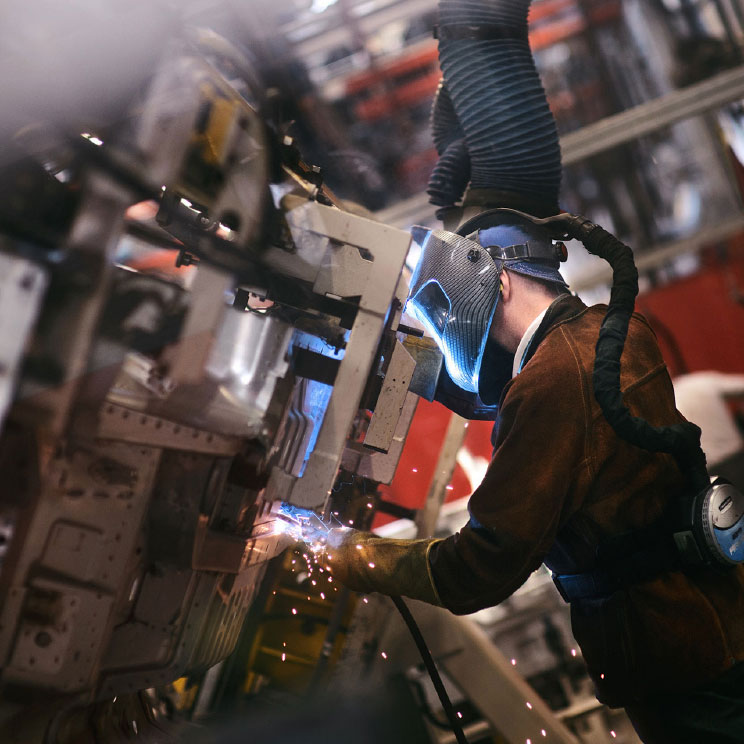
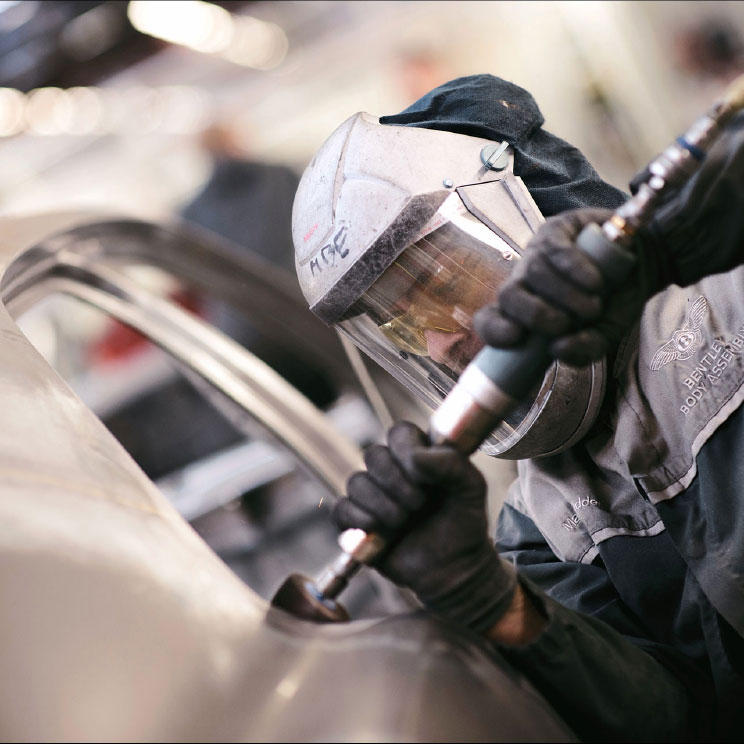
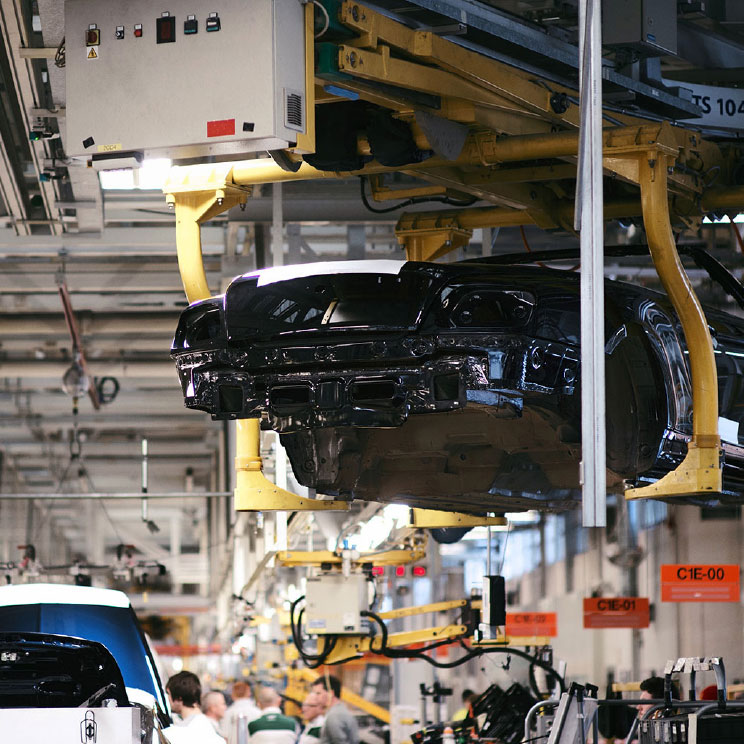
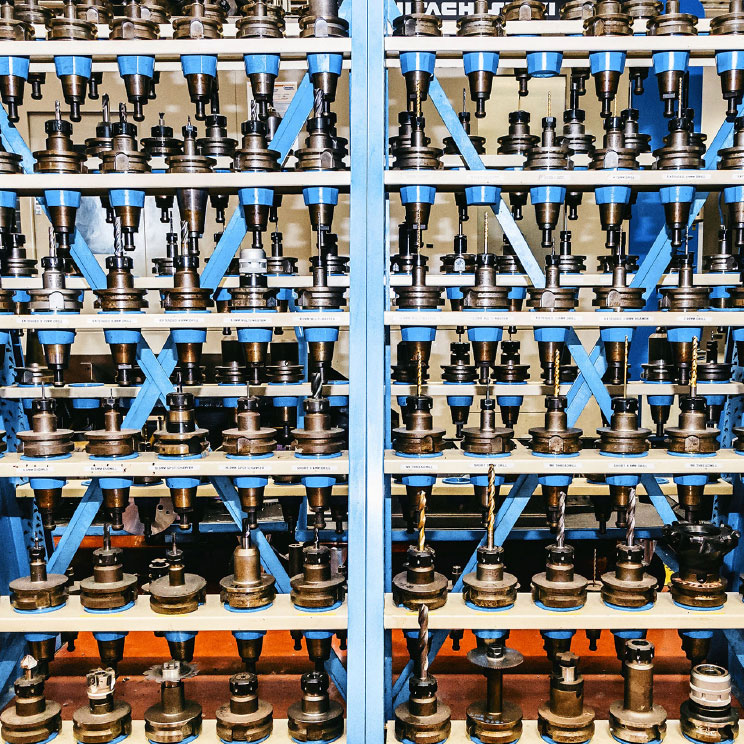
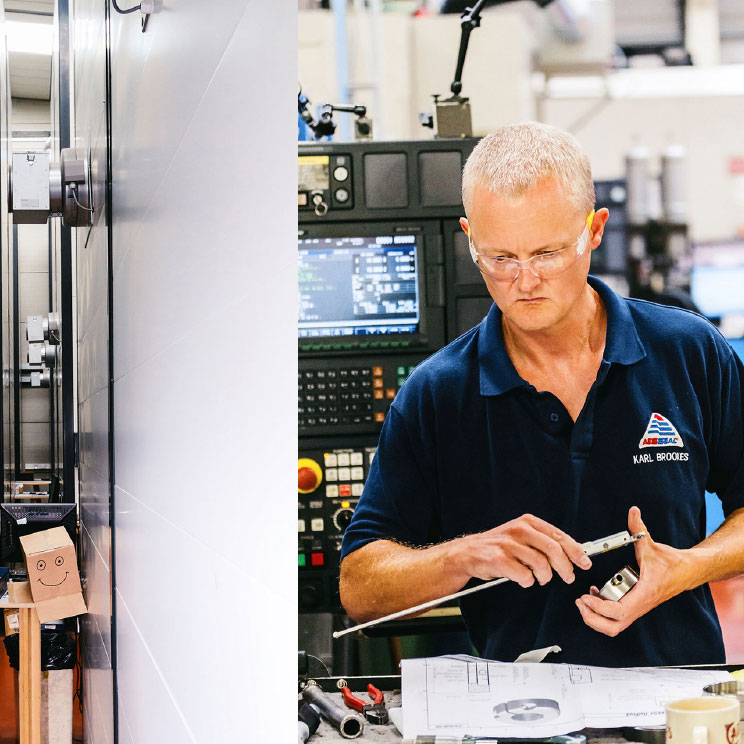
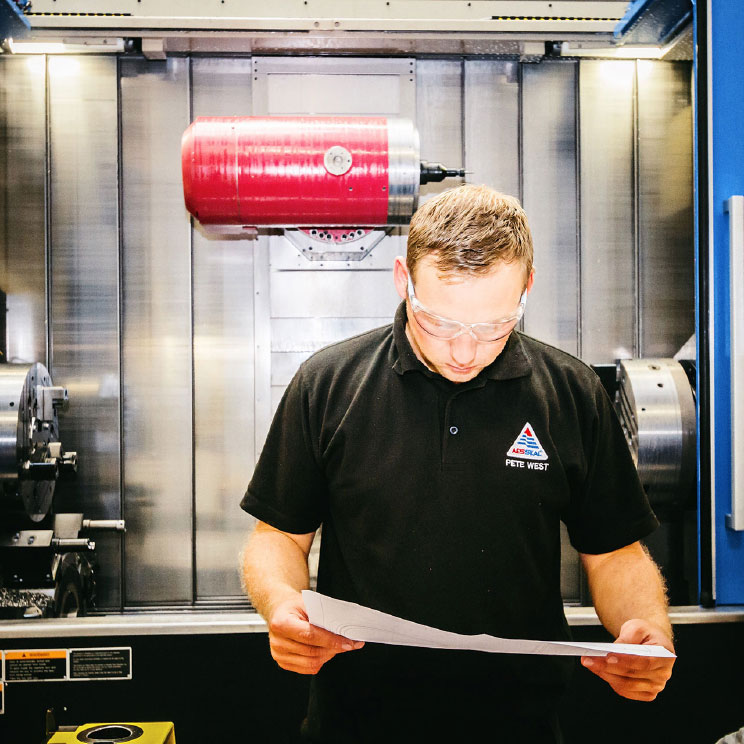
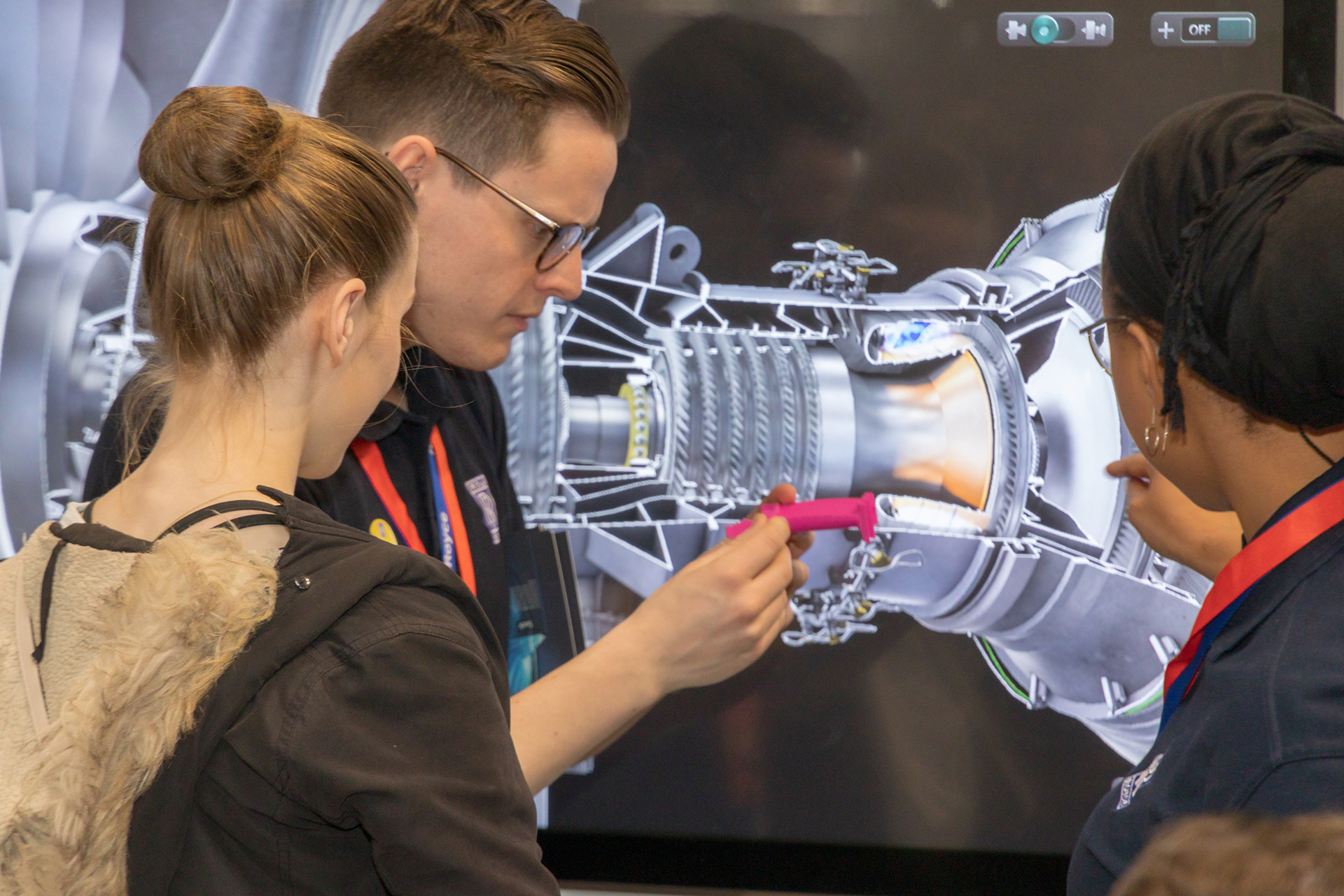 Encouraging young people to develop an interest in creative applications of engineering and manufacturing is vital to providing the skills the UK needs
Engineering for a Betterworld
Chis Rea – managing director of AESSEAL – says he found out about the energy saving potential of an innovative transformer only by accident. This led him to launch a website, Betterworld Solutions, to promote environmental improvements in sectors from pumps to food processing plants.
The AESSEAL boss wants other businesses to join his efforts by publicising their own ideas on his platform and encouraging others to use them. “There has to be a collective effort across all industries to embed sustainability in the company ethos,” Rea says.
A chance conversation with a former MP led Rea to discover that Powerstar was the source of a technology that could save him and other machine tool users substantial sums, as well as doing something positive to address global warming. Powerstar is based in Sheffield, close to Rotherham where Rea’s own business is headquartered.
Powerstar makes electrical devices called amorphous core transformers (ACTs) that can help achieve big potential reductions in energy use in large sections of the UK machine tool industry. Betterworld Solutions, says Rea, followed on from his awakening to the potential of ACTs, as he realised there had to be other green-tech innovations that he and others were now aware of. “If I did not know [about Powerstar], others probably would not either. I wanted [related] opportunities to be brought to [people’s] attention.”
While in the past AESSEAL has used conventional transformers for voltage standardisation, Rea says from now on all its new machines that need adaptations will use Powerstar’s ACTs. It has also agreed to buy 40 Powerstar ACTs for some £180,000. These are being gradually installed at its Rotherham plant to replace the existing systems, many of these fitted to DMG Mori equipment.
Due to the cost disparity between the different types of transformer, it is easy to understand why many machine tool users have not thought about substitutes for existing devices. A typical conventional transformer for a machine tool costs around £3,000, a small fraction of the price of a modern machine tool which can cost £300,000 or more. An ACT, however, can be twice as expensive.
In line with his belief in the need for environmental improvements in industry, Rea’s company prioritises “sustainability projects” over any other capital investments with a similar likely return. In putting this concept into practice, AESSEAL announced in 2022 that it had achieved “net zero” emissions ahead of schedule across all its activities – adding no more greenhouse gases to the atmosphere than it is taking out through offset projects such as tree planting. The company had previously announced a £29m plan to achieve “net zero” by 2029.
Betterworld Solutions features examples of pioneering ways in which energy and carbon emissions can be reduced. The handful of examples cover installations involving for instance the big pharmaceuticals group Glaxo Smith Kline , Japanese pump maker Torishima and the UK engineering company Pennine Pneumatic Services , as well as other instances where AESSEAL has been involved. However Rea, a pugnacious and determined operator, hopes that over time he will be able to persuade more businesses to join the effort.