Nearly half of young people pursuing careers in manufacturing chose this path because of the influence of their school or an employer, with a similar number saying a family member was key to the decision, according to a Made Here Now study. [This article, followed by others in the series, was published in Made Here Now on April 20 2021. The website has since closed.]
In a survey of 107 young people working at manufacturing-related companies, 28 per cent say teachers and careers advisers at school played a crucial role, with 26 per cent citing the role of a company, for example via a factory “open day”. Allowing for those who named both sets of interactions, the total identifying at least one comes to 48 per cent.
In addition, 45 per cent of the sample say a family member – such as a parent working in engineering or production – influenced their decision to seek a job in manufacturing.
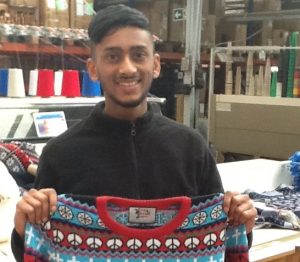
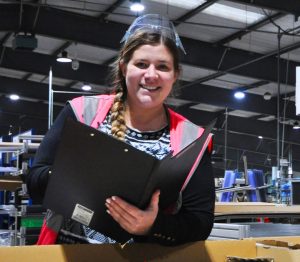
The picture above shows (left to right) three of the people who took part in the survey: Shannon Williams, Avese Umar and Grace Ikin, who all benefited from development programmes for young employees at HMG, a family-owned paints manufacturer in Manchester.

 Juergen Maier: “The truth is as a country we love academic routes more than we do vocational ones and whilst there has been a small shift it is not enough”
The research provides new evidence about how policies on educational engagement can affect the numbers of people entering manufacturing and related technical sectors – areas of the economy regarded as suffering from widespread skills shortages. Juergen Maier, chair of the Digital Catapult, an industry/government innovation centre, said the survey showed how key interventions from teachers and businesses can have a “profound impact” on careers.
“The UK needs to be much a more ambitious about instilling knowledge and understanding about engineering and manufacturing into more young people’s education experiences,” said Maier, who until 2019 was head of the UK operations of German engineering group Siemens.
Made Here Now’s remit is to highlight success stories in UK manufacturing, as part of efforts to encourage more young people to consider it as a career. The research was based on interviews over several months with employees aged between 20 and 32, doing a range of jobs at 76 companies in sectors from textiles to robotics.
The people in the sample were selected with the help of their employers. All appear to be making a success of their jobs while they have a range of backgrounds, with 90 per cent having attended a state as opposed to a private school. One in five has an Asian, Afro-Caribbean or Latin American racial origin, while just under half are women.
Archie Rose, a 21-year-old apprentice at the Harwin components maker in Portsmouth, said he was so impressed by a tour he did of the company’s factory while at college that he dropped his university plans and applied for a job. “I thought the tour was fantastic, each facility was incredible and looked like a great place to work.”

Another in the study influenced by a company’s efforts to engage with the world of education was Vicki May, a 29-year-old account manager at 3T-AM, a 3D printing business. She is pictured above. Her decision to apply for a job there hinged on a one-year placement at the company while studying product design at Bournemouth University.
“During my year out I was impressed by what I saw. I learned a lot about the real world, as well as about the techniques involved with 3D printing,” she said.
In one key result from the survey, 17 per cent of participants cited the positive impact of one or more schoolteacher. Many of these teachers were in design and technology, an area of tuition which in state schools has been cut back in recent years due to curriculum changes.
Hannah Petrie, learning and development co-ordinator at the James Walker engineering company, said the “enthusiasm” of teachers was “undoubtedly the most important factor in students selecting engineering-based subjects at school”.
 Javier Aveledo Anzola is an industrial engineer at the Cadbury chocolate factory in Birmingham, owned by Mondalez. He came to the UK from his native Venezuela “because of the job opportunities”. His father was an engineer too.
According to Maier, the research should lend weight to arguments about the need to reverse the cuts in design and technology teaching, while also pushing more schools to promote technical and apprenticeship educational routes as an equally valuable counterpart to studying academic subjects.
Jon Stark, chief executive of Peratech, a maker of advanced sensors in Yorkshire, said the study highlighted the potential role for employers and education establishments to “do more to drive home how [manufacturing and engineering] jobs can provide challenges and opportunities plus a lot of satisfaction and enjoyment”.
Several people who took part in the survey pointed to multiple influences as affecting their career decisions. Sophie McIlveen, 24, an engineer at Belfast-based Axial3D, which makes surgical models, says she was encouraged to learn about engineering by her mother, who worked in a components factory.
 Other key people, says McIlveen (pictured above), were two “brilliant” teachers at Cambridge House Grammar School in Ballyema near Belfast – Lynda Mallon in technology and design and Shirley Anderson, who taught chemistry.
Others said they had known for years what sort of job they wanted to do, due to the inspiration of a family member. Gabriela Grigorita, a mechanical systems engineer from Romania, who works at the Griffon Hoverwork hovercraft manufacturer, said: “My father is an electrical engineer and has been a key influence. Engineering seemed to come naturally to me. For a long time I’ve felt a passion for maths and physics.”
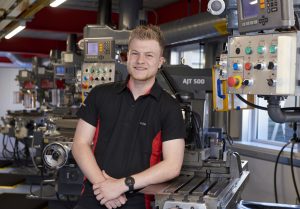 A tour around a factory run by Harwin in Portsmouth led Archie Rose to drop plans for university and start an apprenticeship with the electrical components producer
Many manufacturers that have entrenched links with local schools have found the connections pay off in commercial terms, through the recruitment of people who may go on to senior jobs. Jonathan Falder, director of Manchester paints maker HMG said: “It is important that businesses in manufacturing visit schools to talk about how exciting and diverse their businesses are and the positive impact they make.”
While HMG thinks this as a good way to gain new young employees, it supports them through their careers with learning programmes aimed at developing future senior managers. “Six out of our seven board directors have come through the company in this way,” Falder said.
Of the people in the survey, 61 per cent are graduates and 36 per cent have done an apprenticeship, with 23 per cent having studied at post-graduate level and 13 per cent having either other qualifications, or none.
Engineering accounts for 60 per cent of all undergraduate degrees, followed by design (12 per cent) and engineering and design (5 cent) and with science subjects accounting for 17 per cent. Where individuals are still involved with training and education, they are counted in the study as having the qualification already.
Of the sample total, who work in 21 industrial sectors, just under a third are in a job related to production and planning, with a similar number involved with development and design. Slightly more than one in five work in technical operations including assembly or machining, and 9 per cent are in management, while sales, finance and administration accounts for 6 per cent. One in 10 of those in the survey were born outside Britain.
Catalysing a path to a creative career
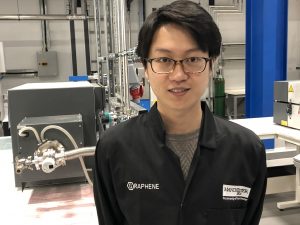 Growing up in China, Suhao Li started to “view life in a more scientific way” after winning a school biology prize.He is now a project scientist at 2D-Tech, one of the UK’s leading graphene developers
The Linn engineer’s technology interest can be traced to his family upbringing. While his grandfather was engineer, his father had a job in the offshore industry and his mother taught chemistry. “Science and engineering were what we did and talked about at home,” says Sharpe, pictured below
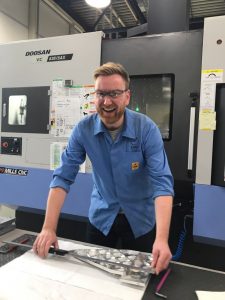 His work at Glasgow-based Linn provided “the perfect match, giving me the chance to use engineering skills to reproduce music in as compelling a way as possible”. In March 2021, Sharpe moved to a new job, still in engineering design, at LumiraDx – a US health technology business with a UK plant in Stirling.
Sharpe illustrates how a job in manufacturing can combine both creativity and hands-on skills. Often, the possibility of a career like this is highlighted by early influences including family, schools and initiatives by employers.
Aashi Srivastava is a 20-year-old product designer doing a one year-internship at product design business TTP as part of her university studies. Srivastava says her family background in India, where both her mother and father trained as engineers, gave her an early interest in this field.
She says she was greatly helped by two design and technology teachers – Andrew Duffey and Sean Kelly – at her school, Henrietta Barnett in north London. “The teachers were hugely supportive and encouraged my interests. I wouldn’t have got to where I am now without them.” Srivastava is pictured below.
 Tara Benkel – a French physicist working at Tokamak Energy, a developer of small nuclear fusion reactors near Oxford – says she felt drawn to science and engineering from an early age.
Her parents both worked in creative roles, involving painting and special effects for films. “I was curious about the world,” says Binkel, pictured below. “Science and engineering gave me an outlet for creativity.
 Oran Hunt is a research and development engineer at Cooksongold, a jewellery manufacturer in Birmingham. He says of his job: “There’s always a new challenge, a puzzle to be solved.” Hunt says he can trace his “deep fascination” with chemistry to a teacher at Halesowen College in the West Midlands. “I had the good fortune to have an inspiring chemistry teacher, Graham Hall. He was wonderfully eccentric and a fascinating man to listen to.” Hunt, pictured below, describes his work in 3D printing as “shooting lasers at precious metals”.
For Juergen Maier, one of Britain’s most highly regarded industrial engineers, stories like these echo his own experience. Maier – a former UK head of Siemens, the German engineering business – was born in Germany and arrived in the UK in 1974 aged 10.
“I had three influencers to encourage me into engineering – my godfather, a successful engineer, a brilliant and fun physics teacher at my Leeds comprehensive school called Mr Walker and my early placements with Siemens in Germany and in the UK,” says Maier, chair of the Digital Catapult innovation centre and vice-chair of Northern Powerhouse Partnership, a group seeking to revive the economy of northern England.
Adding that he hears “similar stories [about influences] all the time”, Maier wants Britain to step up its efforts to ensure that interventions of this sort become more routine. Much of this boils down to encouraging more schools and employers to organise efforts to enthuse young people about science and engineering careers.
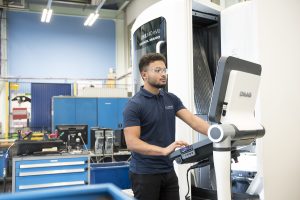 A helpful factor guiding Joe Benjamin to a job at Warwick Manufacturing Group was that both his father and grandfather worked in engineering. He says he learned about working in teams and leadership skills after enrolling in the Duke of Edinburgh’s awards scheme.
Maier says: “I think we [in Britain] have done more to encourage schools/apprenticeships and work placements over the last decade, but the problem is that as a nation, people aren’t shouting for it [vocational education] and the [key government departments] mostly don’t really ‘get it’.”
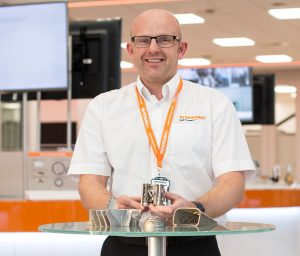
Simon Biggs, who’s in the photo below, and who is education outreach officer at industrial equipment maker Renishaw, says engagement efforts by companies involve putting significant time and money into thinking of new ways to portray engineering and manufacturing. Renishaw has a strong record in doing this, with many senior employees having come to the company by this route.
Biggs says the effort often involves emphasising the creative and design aspects of technical subjects to “make engineering and technology more vividly part of young people’s lives and get the subject on their personal agendas”.
Young people themselves can also be powerful advocates for these careers. Phoebe Jay, a 24-year-old engineer at the Bentley automotive company in Crewe, is one of many UK “STEM ambassadors” – young people working in science and engineering who tell others about what they do to encourage more young people into science and industrial careers.
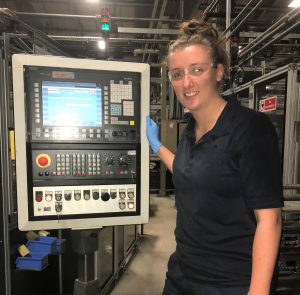
 Abigail Jeffery – who works at a plant run by US automotive components maker BorgWarner – moved into engineering partly under the influence of her father, an enthusiast for the sector
Jay visits schools to describe how she helps manufacture some of the world’s most luxurious cars, with much of what she says aimed especially at girls. Conscious that women remain a small minority in industry, she wants “to encourage the idea that engineering is as good a career for women as for men”.
 Hayley Maynard says her teacher Vandra Carter guided her towards “work I love” in product design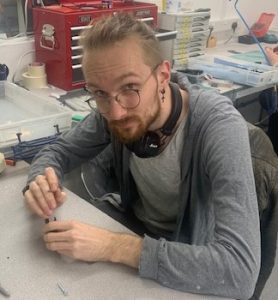

 Hong Kong-born Anthony Chow found a school maths teacher “a huge inspiration” who encouraged pupils “to ask questions”
 Work at a leading UK maker of leather goods has been sufficiently compelling to divert Riina Raabis from an early goal to become a history professor
 From a spell a few years ago as a vegan, Guillmour Oliveira now works in chicken processing – where he says he uses engineering skills to “make a positive impact”
 Having moved to the UK from China in 2012 to do a PhD at the University of Manchester, Suhao Li started at Manchester-based 2D-Tech – a leader in graphene production – in 2018. Graphene is a recently discovered material – just one atom thick – with many potentially important properties. Much of its development has been done in Manchester.
 As one of the youngest people in the Made Here Now survey, Rose Dyson has achieved success through running her own cosmetics business
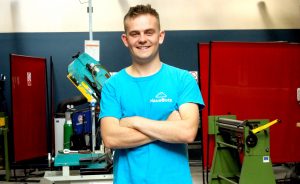 After leaving school at 17, he decided against university, opting instead for a role at IBM selling software and services and then joining a drinks company as an account manager. “I had known for some time I wanted to be an entrepreneur. Getting a job [rather than continuing with education] was the best way to start.”
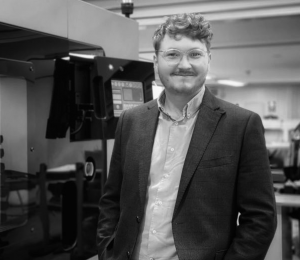 A top job at a new factory making 3D-printed car parts proved “impossible to turn down” for engineering enthusiast Fred Wray
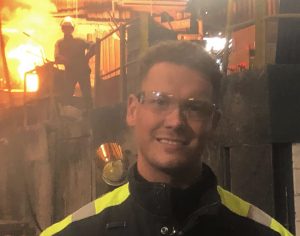 After joining William Cook in 2011, Boyden, aged 28 and pictured above, was promoted to his management role in 2018. His predecessor had worked at William Cook for 46 years.
 In recent years Collins, pictured above, has studied mechanical engineering part-time at the University of Western England in Bristol, gaining undergraduate and master’s degrees.
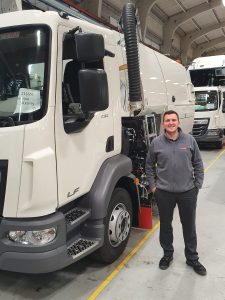 Triple whammy – Matthew Chapman is one of two people in the survey whose careers have been helped by an undergraduate and postgraduate degree, as well as an apprenticeship
 Isabel FitzGerald, who is 21, and pictured above, is a big advocate for combining a degree with an apprenticeship. Alongside her job at the Rolls-Royce aeroengine maker, she is studying for a degree in engineering business management at Warwick University. A Lego and robot enthusiast as a child, FitzGerald grew up in Derby and went to a comprehensive school until she was 14, when she transferred to the JCB Academy in nearby Rocester.
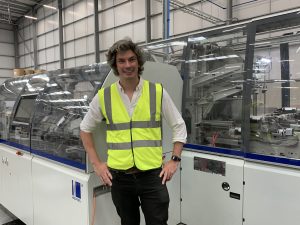 James Kinsella, pictured above, is a director at Bluetree, a print supplier and face mask manufacturer in Yorkshire. He said the study was a reminder to employers about the need to “build an exposure” with young people, while Lizzie Crowley, senior skills policy adviser at the Chartered Institute of Personnel and Development, said: “The research backs up existing literature on the influence of educators, parents and employers on career decisions and choices made by young people.”
 Part of a family that came to the UK as asylum seekers, Shrouk El-Attar gained five A-levels and a master’s degree before starting work in the electronics sector
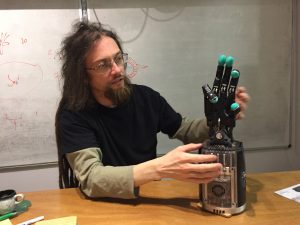
 Supportive teachers have often played a part. At school Alex Stokoe says he was interested in technical subjects but found engineering daunting. Don Sayers, who taught electronics at Verulam secondary school in St Albans, Hertfordshire, was “passionate about explaining how things work” and “helped me to grasp more clearly what engineering was about”. Spurred by these ideas, Stokoe went on to an engineering degree and found a job at the TTP technology consultancy where he works on manufacturing and product development.
 Jessica Scully says she is grateful to two school teachers who said she could achieve a lot “if she put her mind to it”
 Kiruthika Palanivelu came to the UK – where she works as a software engineer at fire safety company Plumis – after studies at
  Taylor Gore followed his father into a job making luxury beds and mattresses for Savoir – “I was happy to follow his example” he says
 Martin Thompson works as a medical visualisation engineer at 3D printing company Axial3D – whose chief executive says its “reputation for innovation” helps recruitment efforts
 Helen Sanders, chief executive of Your People Partners, a recruitment adviser that works with companies including Shadow, said: “The role of employers in engaging with students at school or in further education can be hugely important. The image and values that the company presents will often be just as important as the salary.”
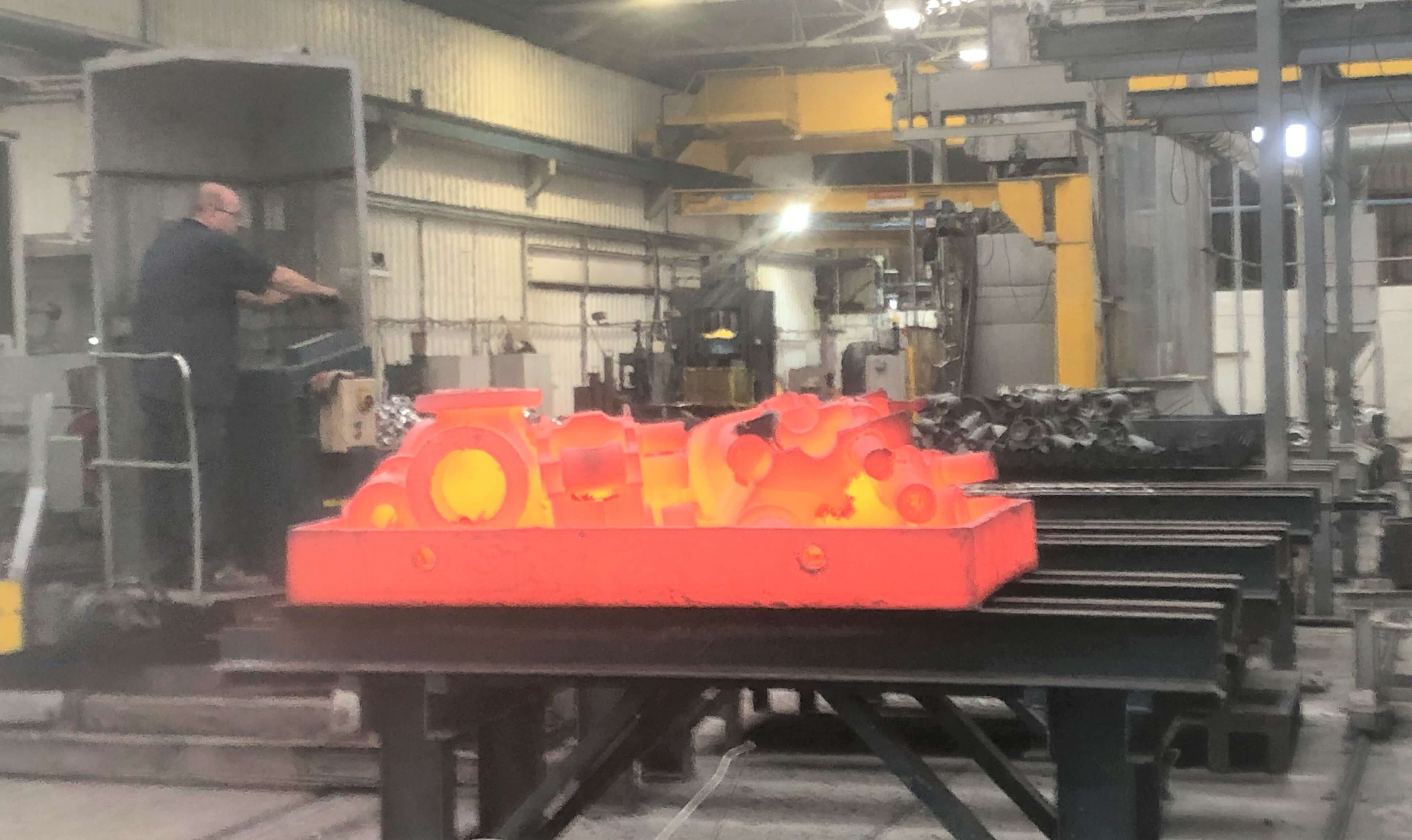 William Cook makes high-tech steel castings in its Sheffield plant – its chairman says the EU exit has led to “border delays and recruitment difficulties”
 Robert Etttinger, chairman of leather goods maker Etttinger, describes Brexit’s impact on supply chains as “not much short of a disaster”
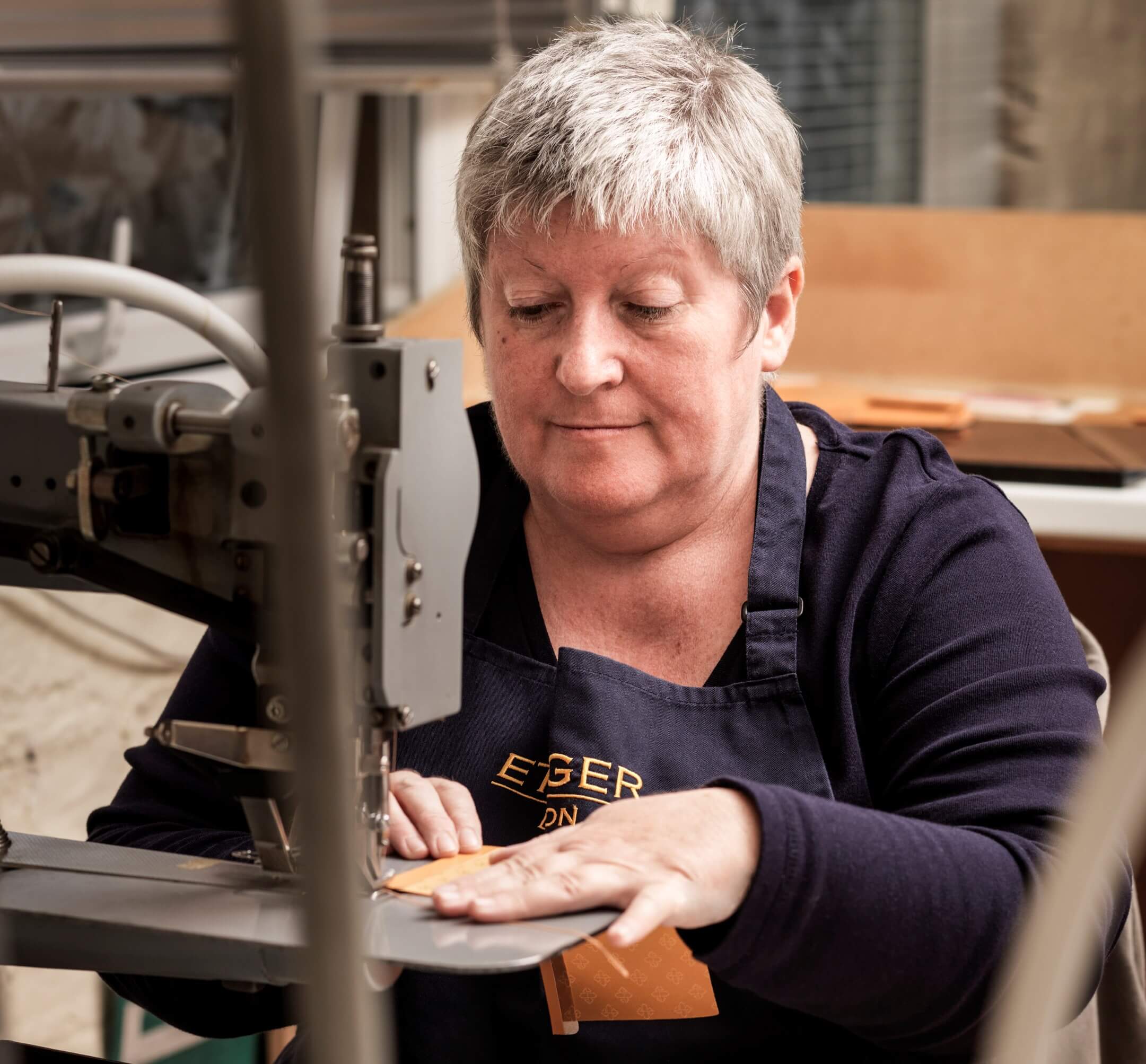 Fashioning leather wallets and other leather goods in a factory in Walsall is the basis of a global businesses for family-owned manufacturer Ettinger
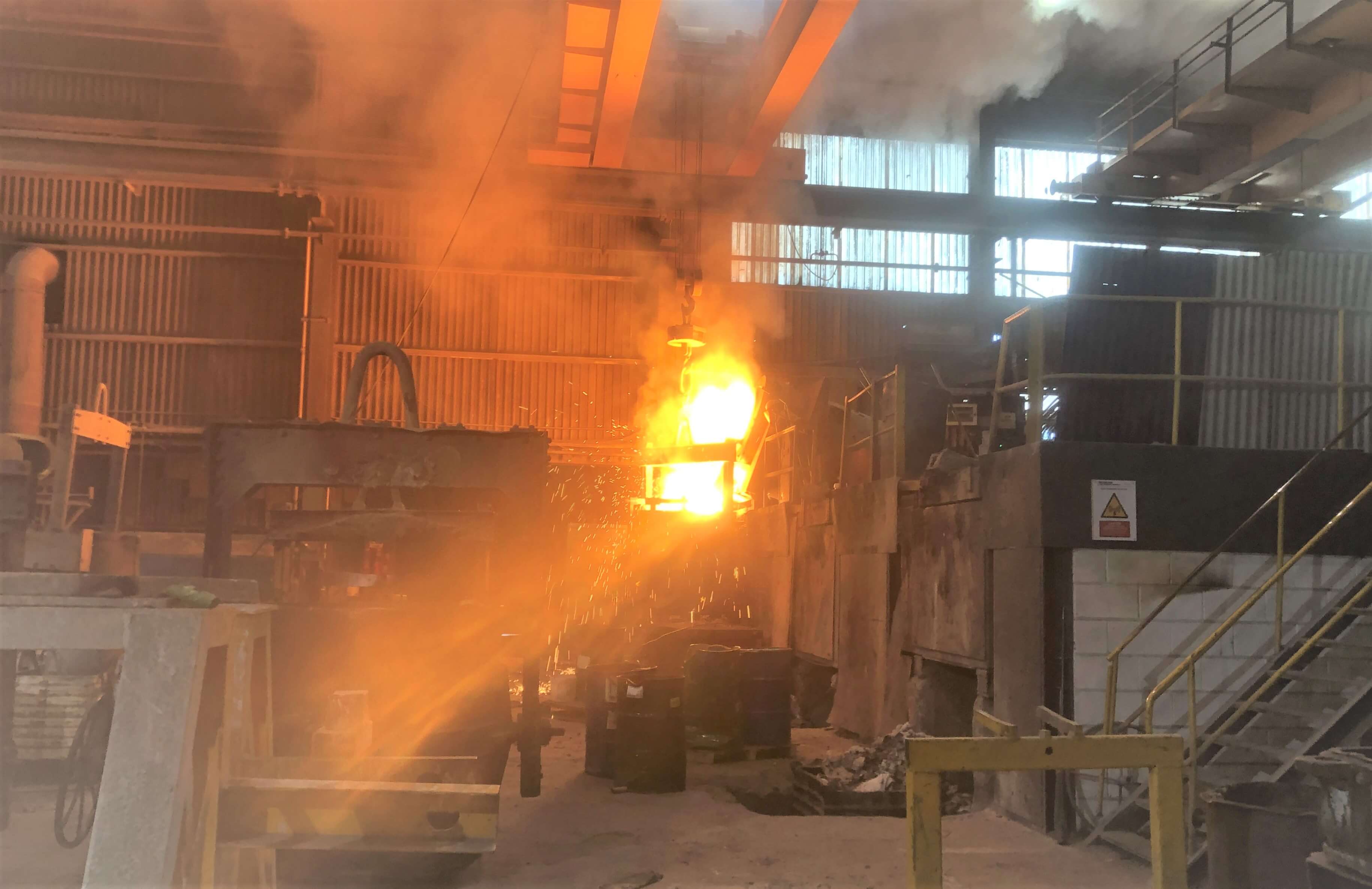 Fired up: steel castings maker William Cook is among a large number of manufacturers exercised by what they see as the negative effects of Brexit
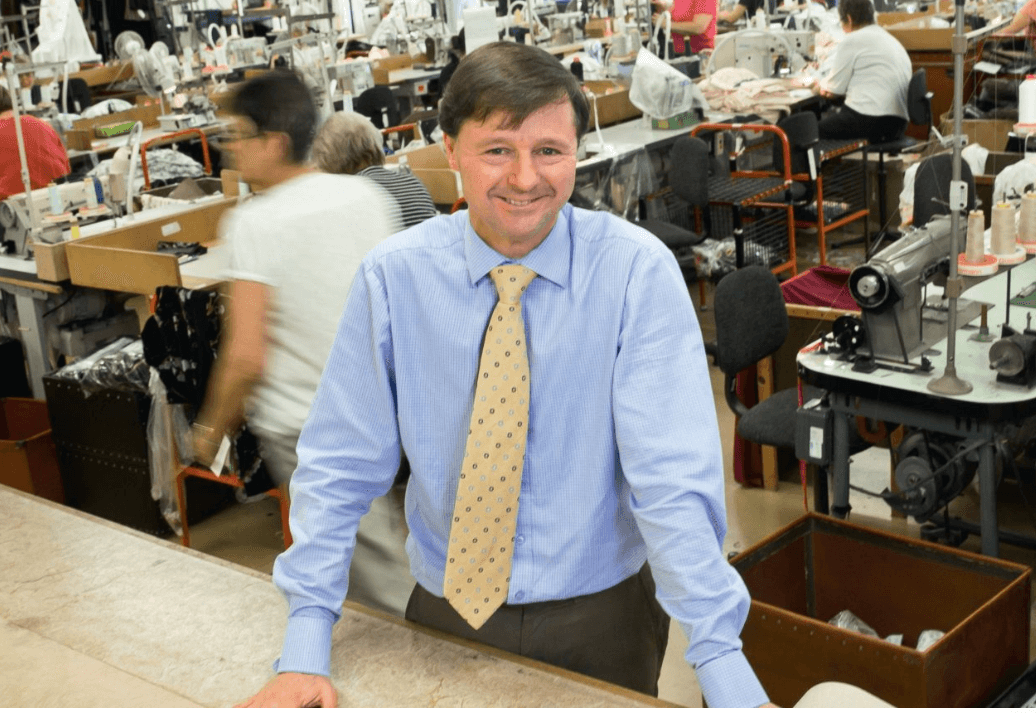 Christopher Nieper, who runs Midlands clothing maker David Nieper, is among a small number of manufacturers who say the UK’s EU departure has led to benefits – including an increased incentive for the country to train skilled workers
 Stage fright: Plunge Creations which makes props and other artefacts for theatre and film production says some customers based in continental Europe have started sourcing from the EU rather than UK
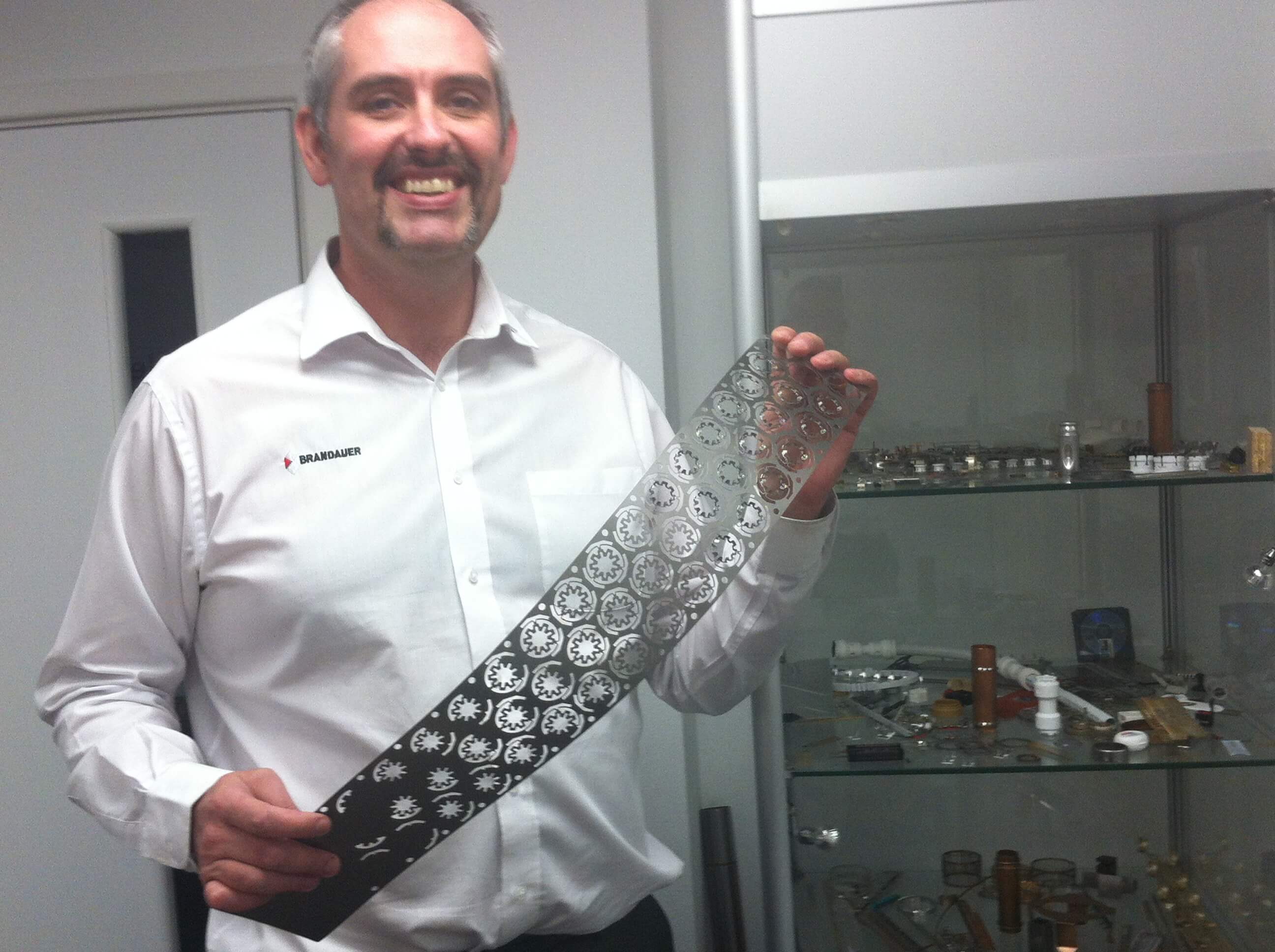 Rowan Crozier of specialist components maker Brandauer describes Brexit as a “nightmare”
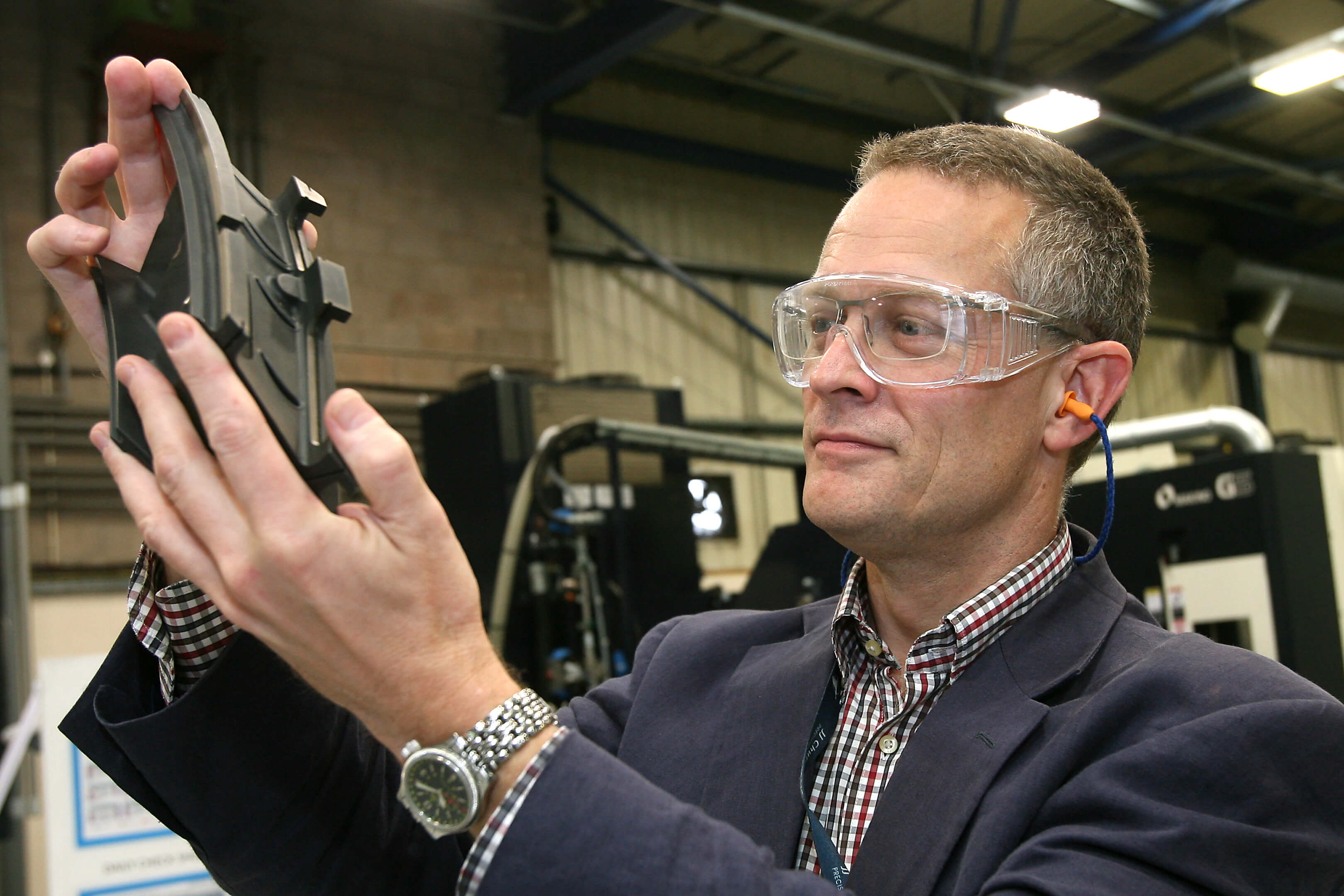 The criss-crossing of jet engine parts around European countries during different fabrication stages is a lot less feasible than when the UK was part of the European trading bloc, says Andrew Churchill, chairman of JJ Churchill
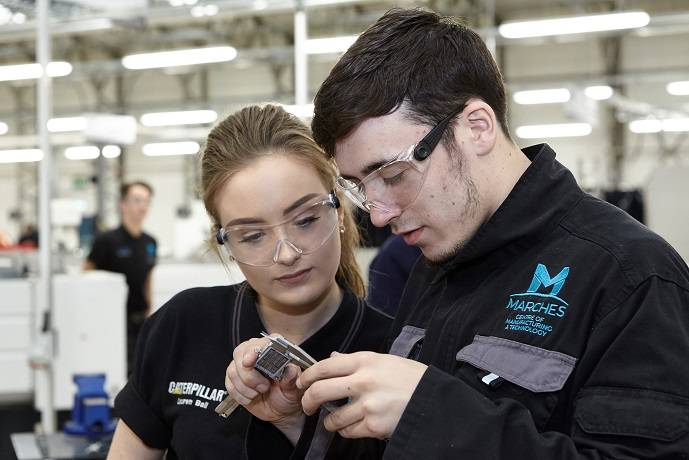 Chris Chris Greenough of SDE Technologies sees some upsides to Brexit – including a resurgence in “reshoring”. The company sets great store on boosting employee skills, as in the training centre pictured here
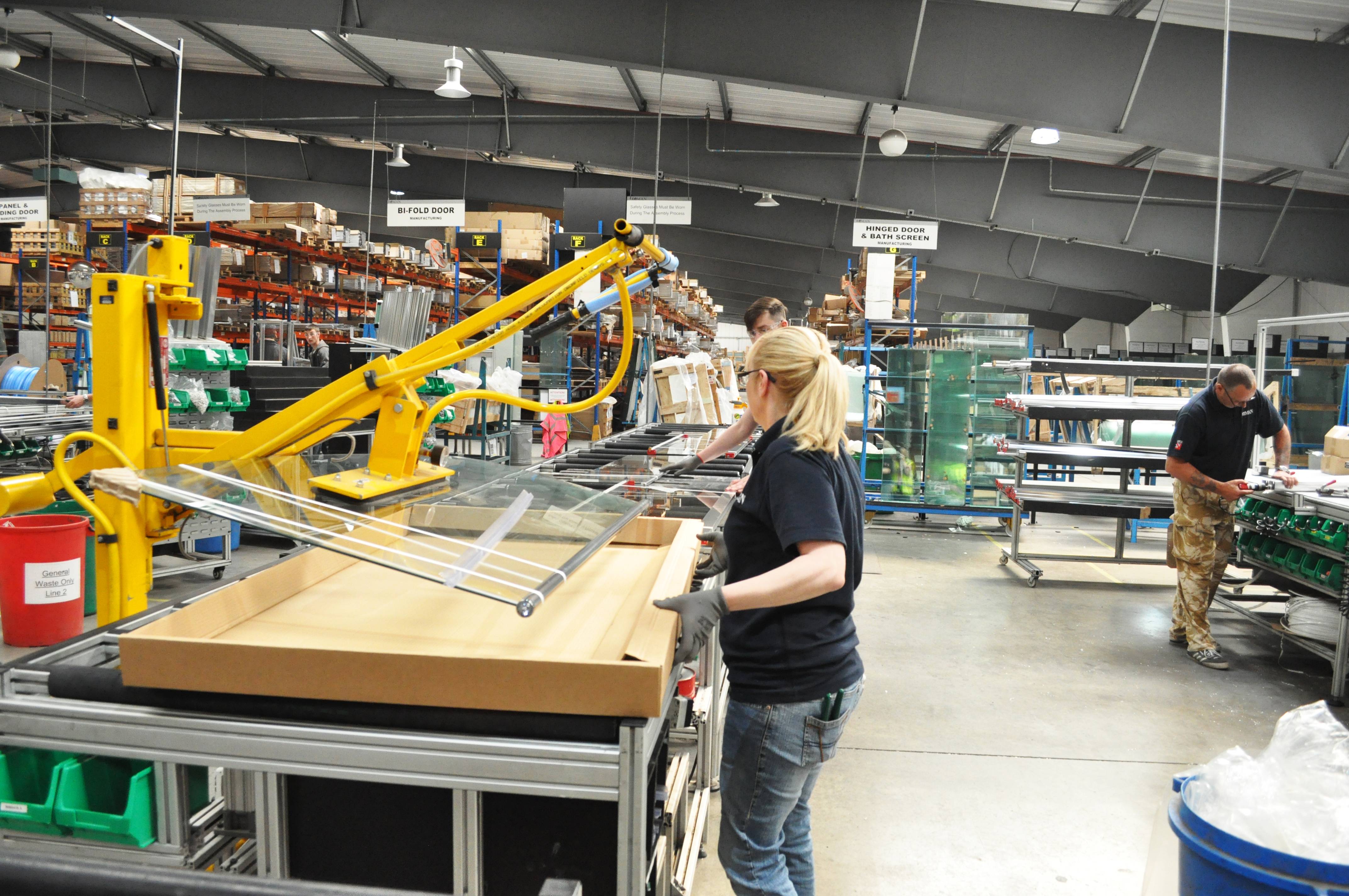 Roman Showers makes bathroom products in a plant in Newton Aycliffe. Its managing director says Brexit has led only to “minor” changes in its trading procedures
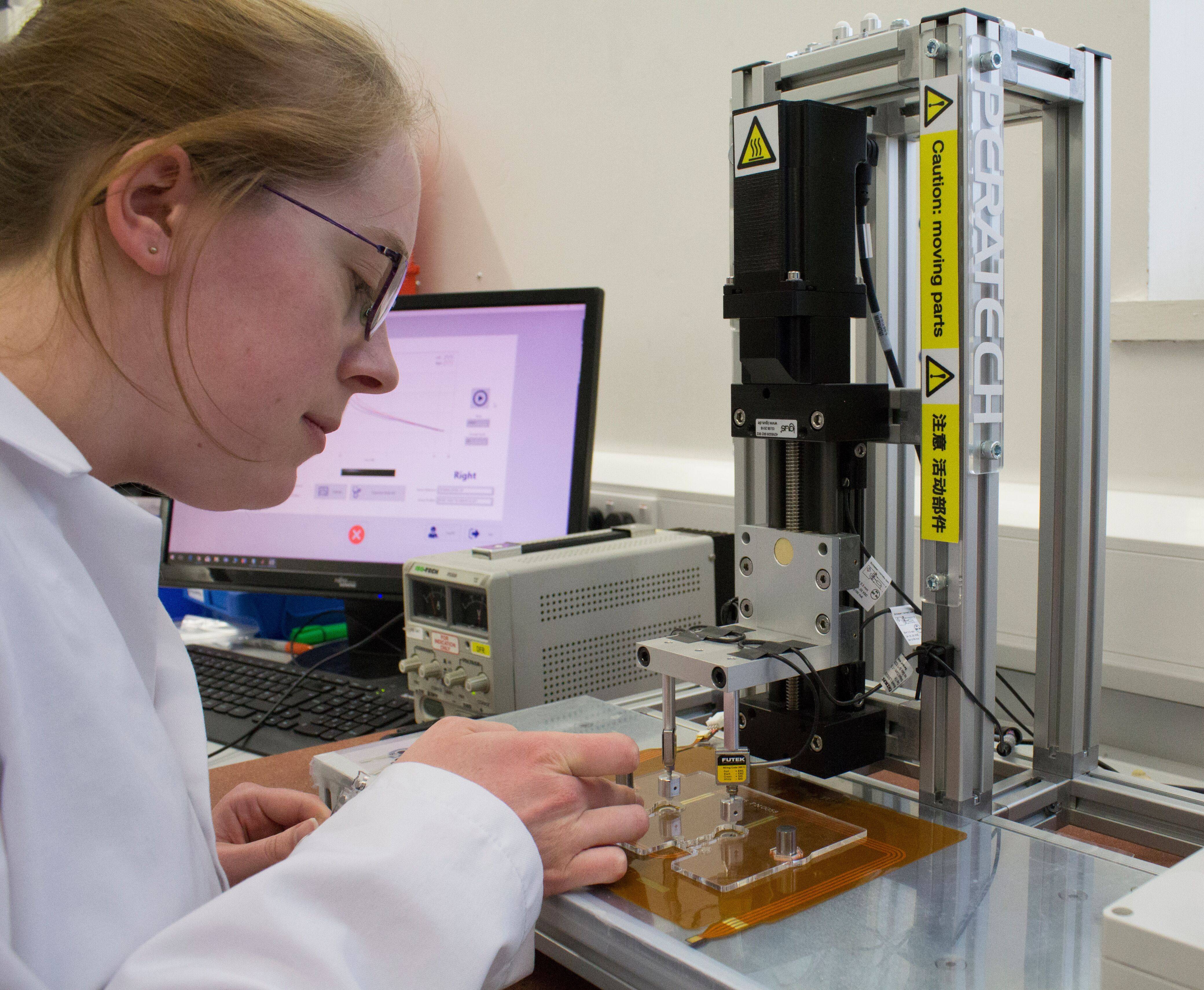 Inside Peratech: the chief executive of the sensor maker advises against becoming fixated on Brexit. For many companies other global difficulties including the impact of the Ukraine war loom much larger than Brexit, he says
 On the shelf: Many of Vitsoe’s European customers have reacted with “incredulity” to the UK decision to leave the economic bloc, says its managing director
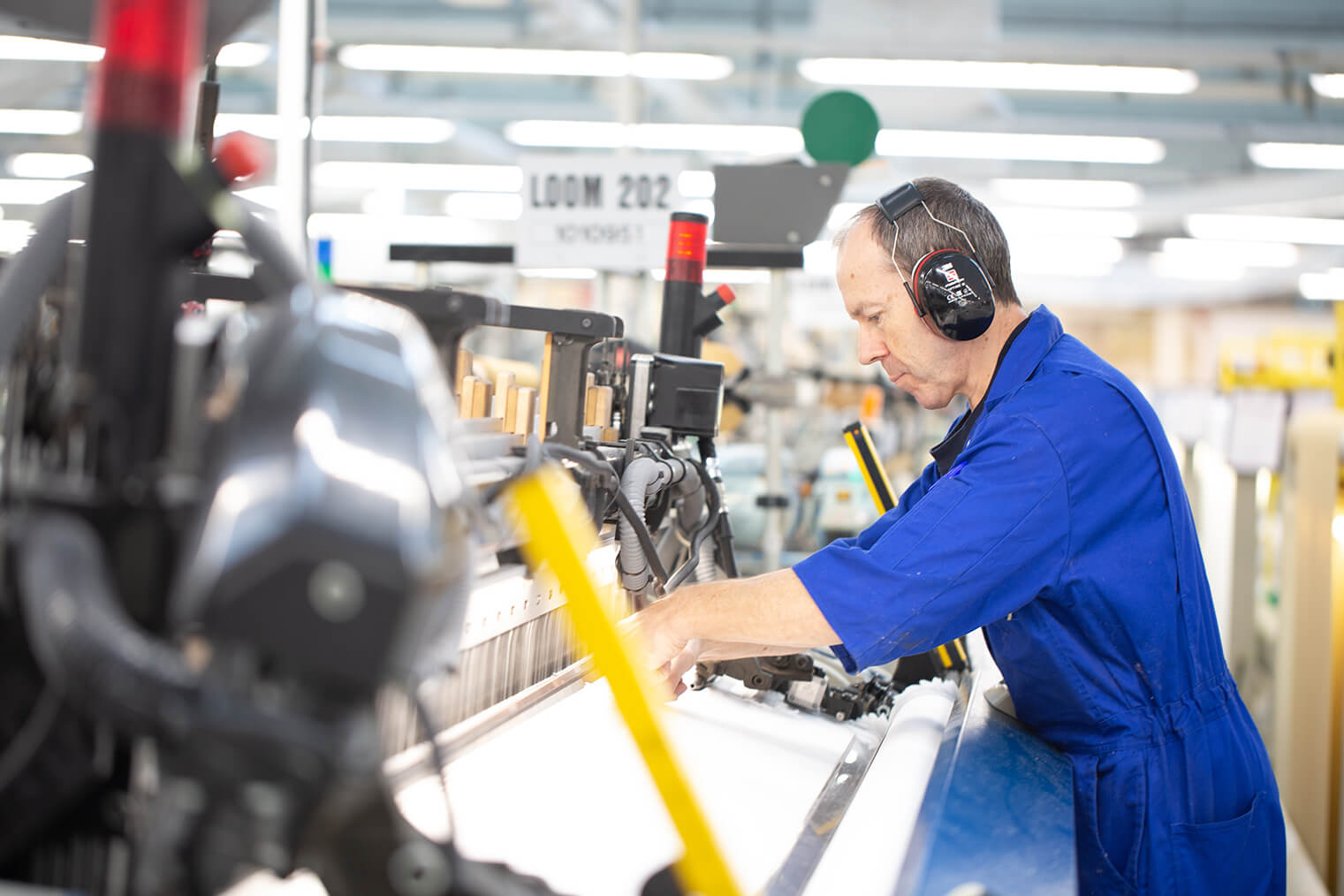 Heathcoat Fabrics is a big Devon-based maker of specialised textiles – the company says some of its EU customers have started to rethink their use of UK suppliers
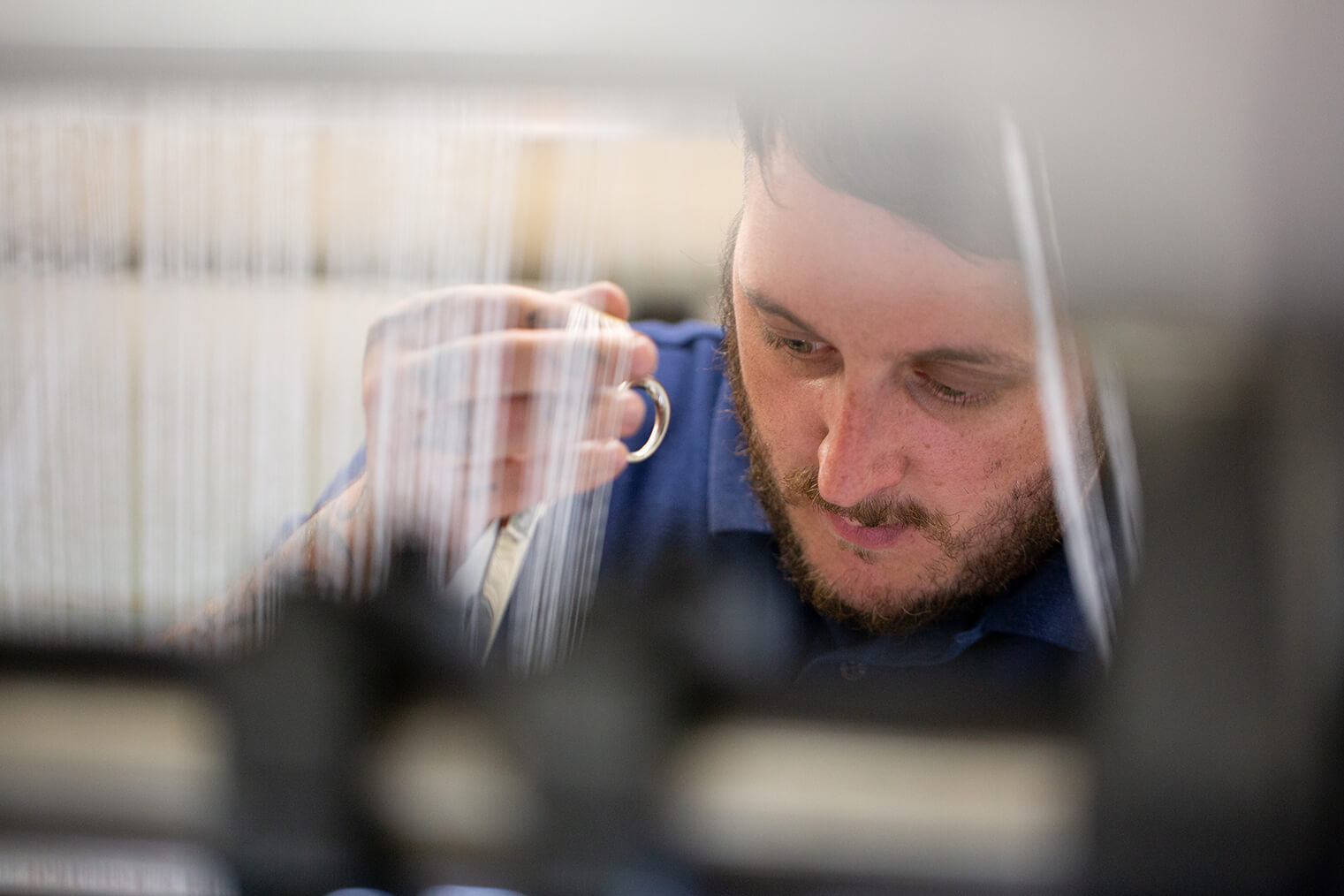 Heathcoat uses expert knowledge built up over decades to make textiles
 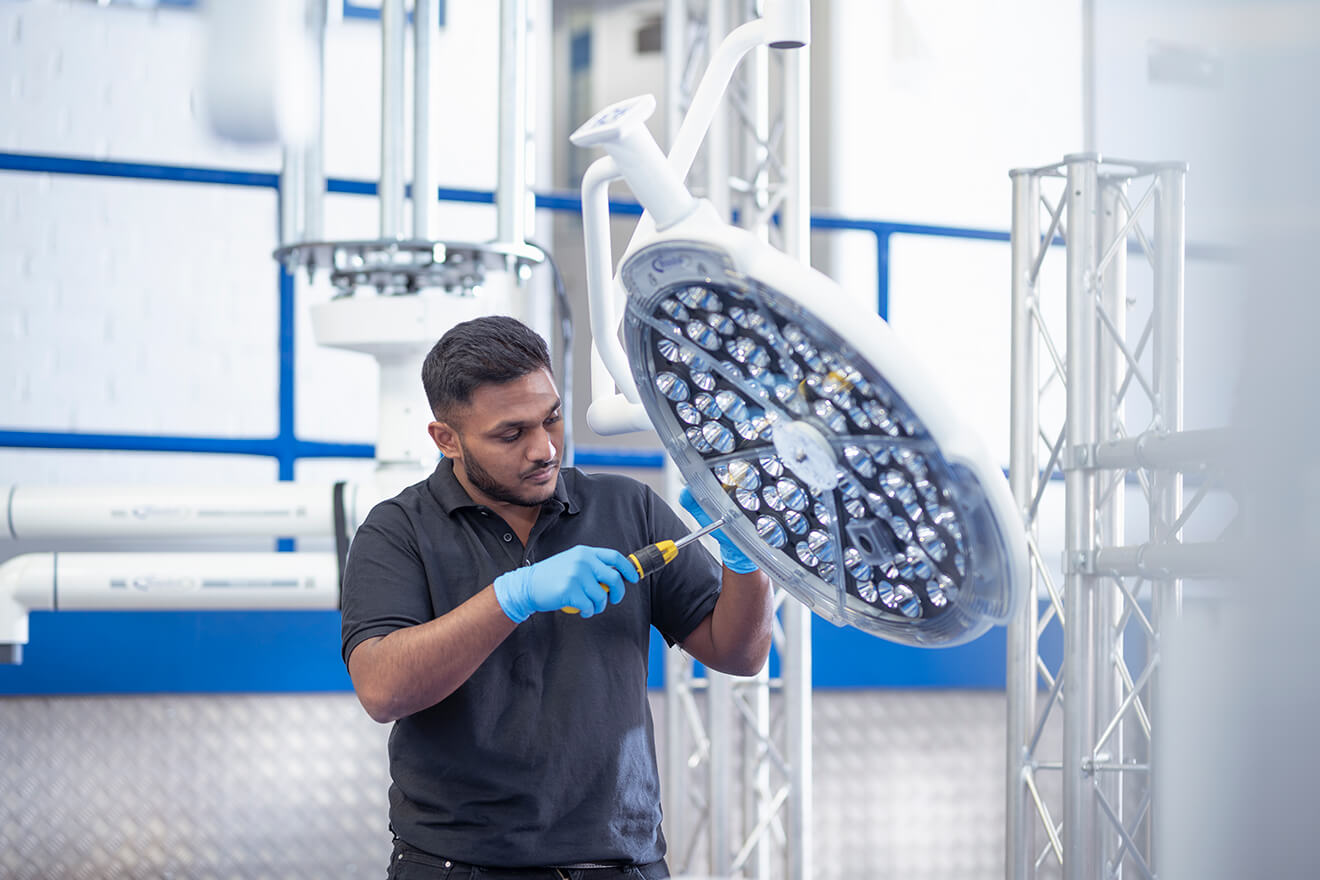 Making lighting for operating theatres is a precision business – but Brexit has thrown it out of gear, says a leading manufacturer of the equipment
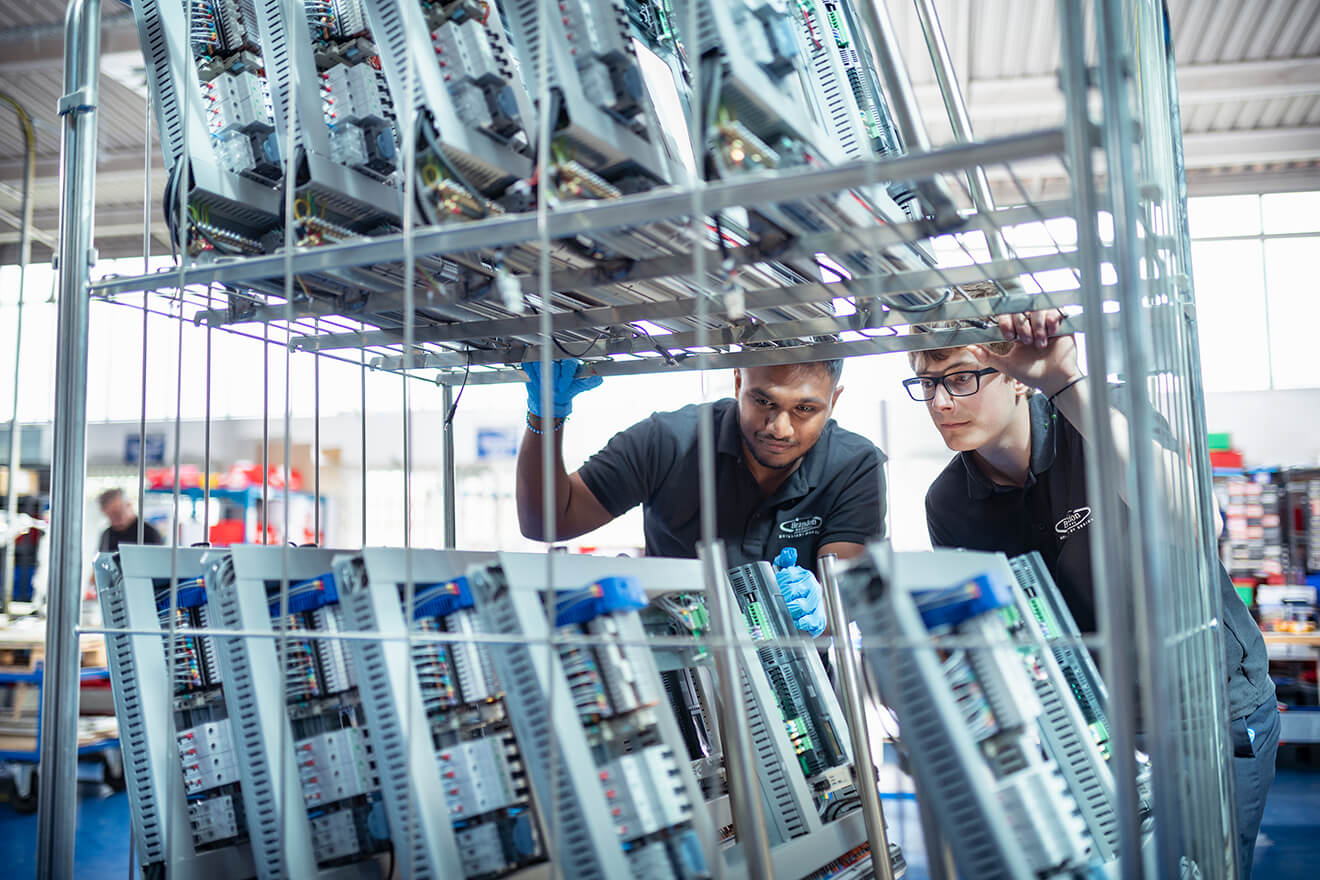 The EU exit has led to “additional cost for zero benefit”, according to Graeme Hall, Brandon’s chairman
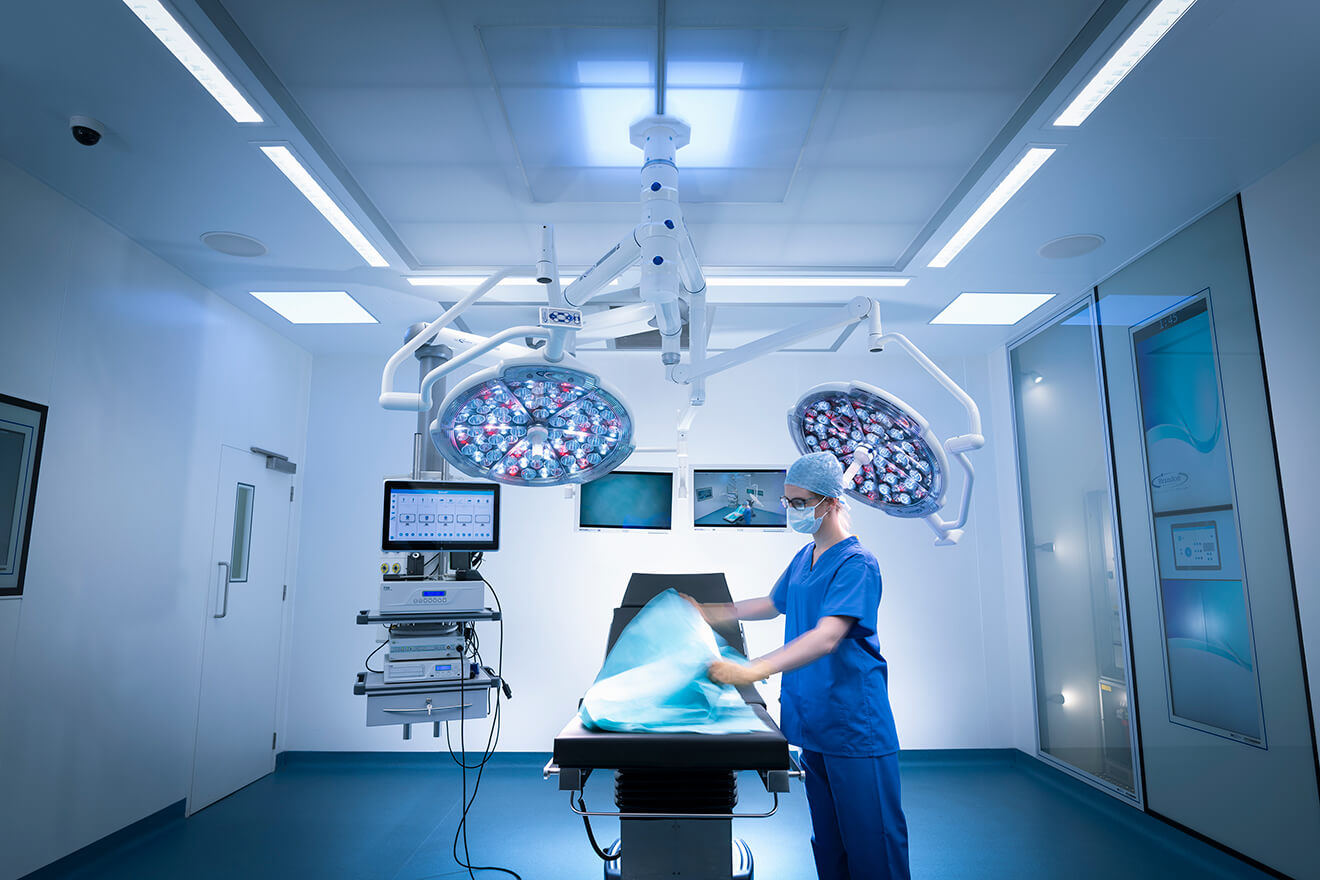 The company’s experiences over new regulations shines a light on some of the downsides to leaving the European trading bloc
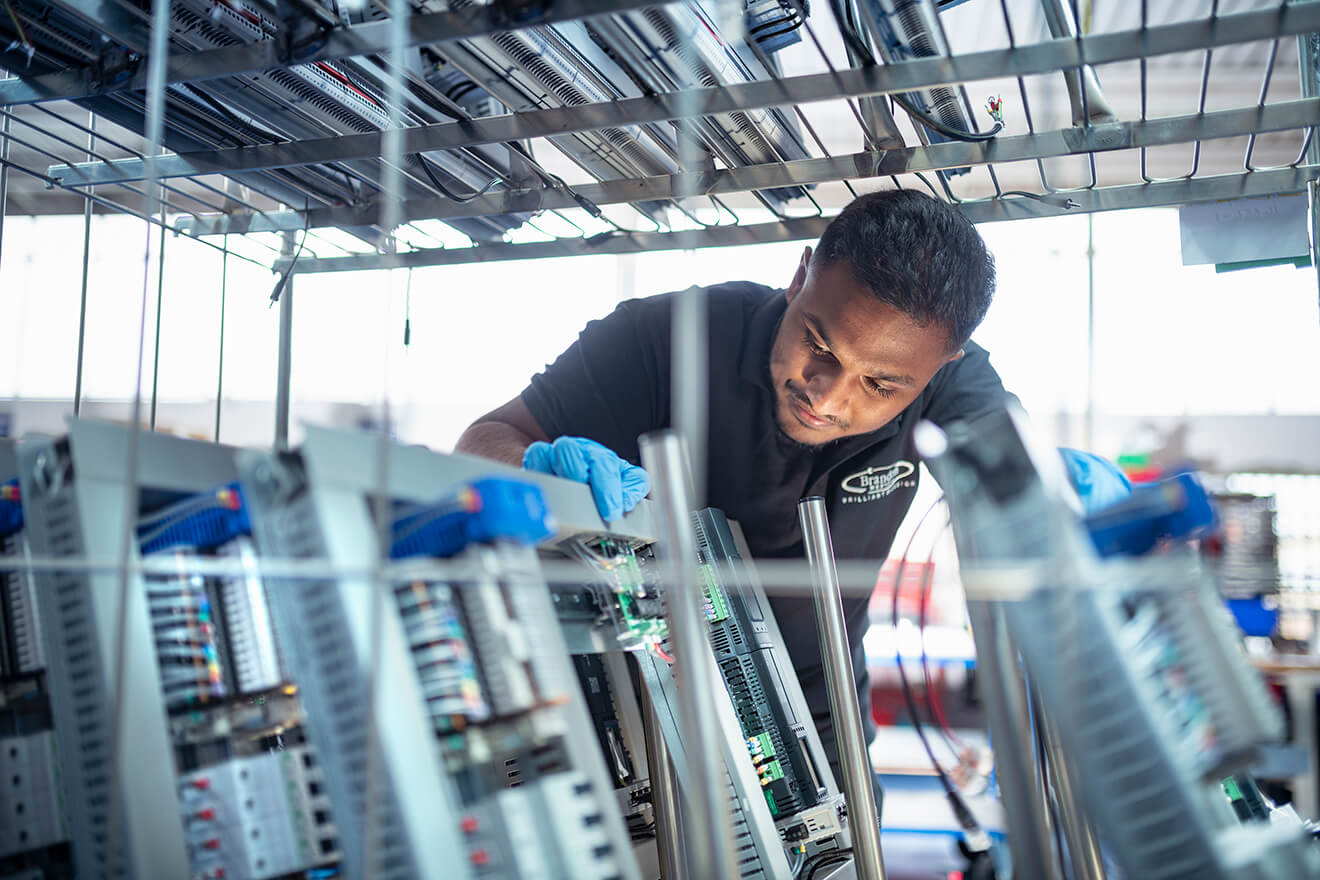 Brandon employs 80 people, mainly at its Leeds factory
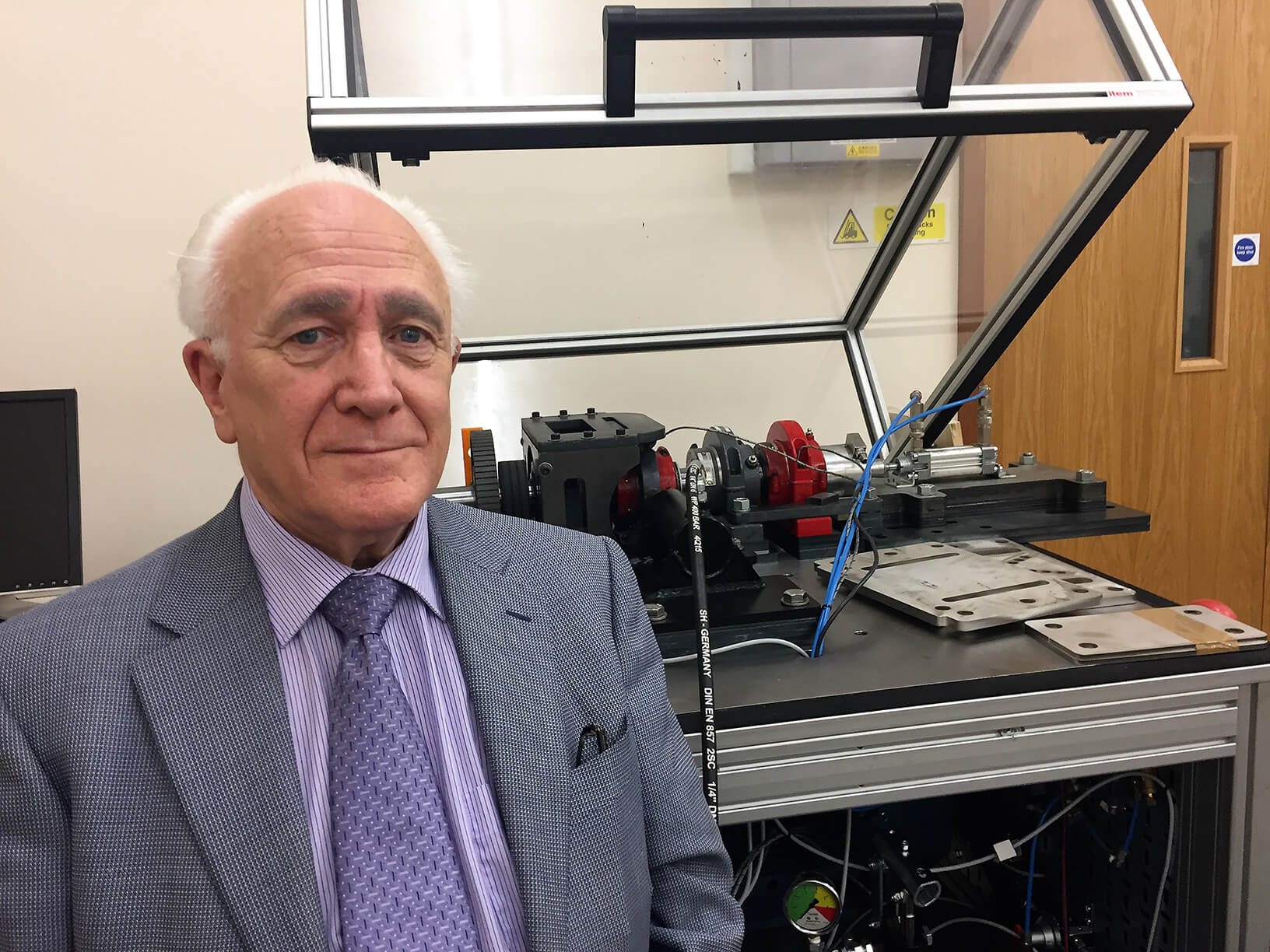 Paul Hancock, Bowman’s chairman, says criticism of Brexit shows “how negative and non-aggressive some of our industries are”However, the business veteran has little time for those who argue that the change has been damaging. “[This] shows how negative and non-aggressive some of our industries are,” he says. “They seem to think that business will walk in the door. We diverted a lot of time, effort and cost to covering the US and Canada and it’s paying off. We are also looking for business by replacing imports, especially after all the supply chain difficulties over the last two years.”
 Industrial bearings are key parts inside many types of heavy machinesOf Bowman’s £3m of exports in the company’s last financial year, half went to the EU and £1m to the US. Hancock believes US revenues could reach almost £3m in the coming year.
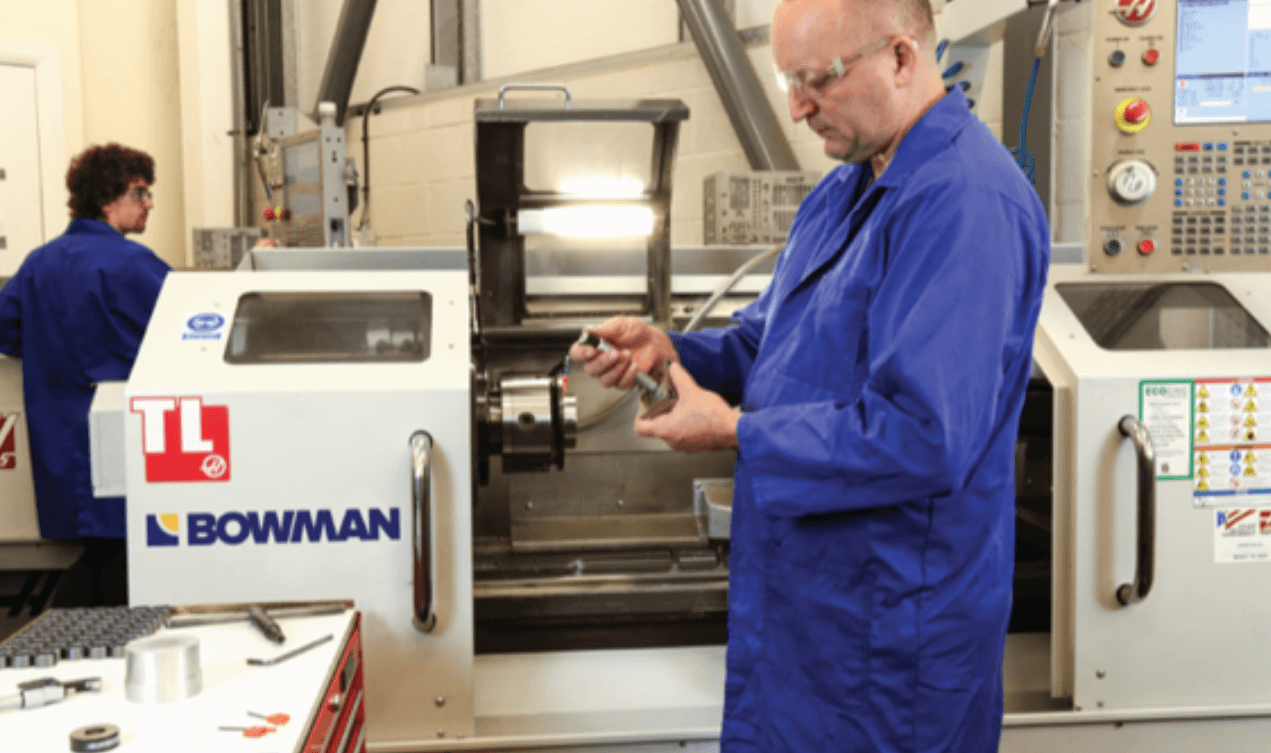 Bowman’s boss reckons employment could increase significantly on the back of healthy demandOne underlying reason for the company’s relative success, Hancock believes, is that it is “run by technical people, not accountants”.
 Hitting pay dirt: a move to shift focus to US sales has worked out for the Oxfordshire companyBeing privately owned, Bowman does not have to worry about outside shareholders scrutinising its accounts and complaining about things they dislike. Most publicly quoted manufacturing businesses are wary about maintaining high levels of “work in progress” such as warehouse stocks, on the grounds that financiers may view this as an inefficient use of capital.
 Keeping the wheels turning: without bearings most agricultural equipment would grind to a haltOn the back of such plans, Hancock suggests Bowman’s workforce could rise to 100-200 in the next three years, on the assumption that the company could finance expansion through bank loans or similar and find enough skilled people.
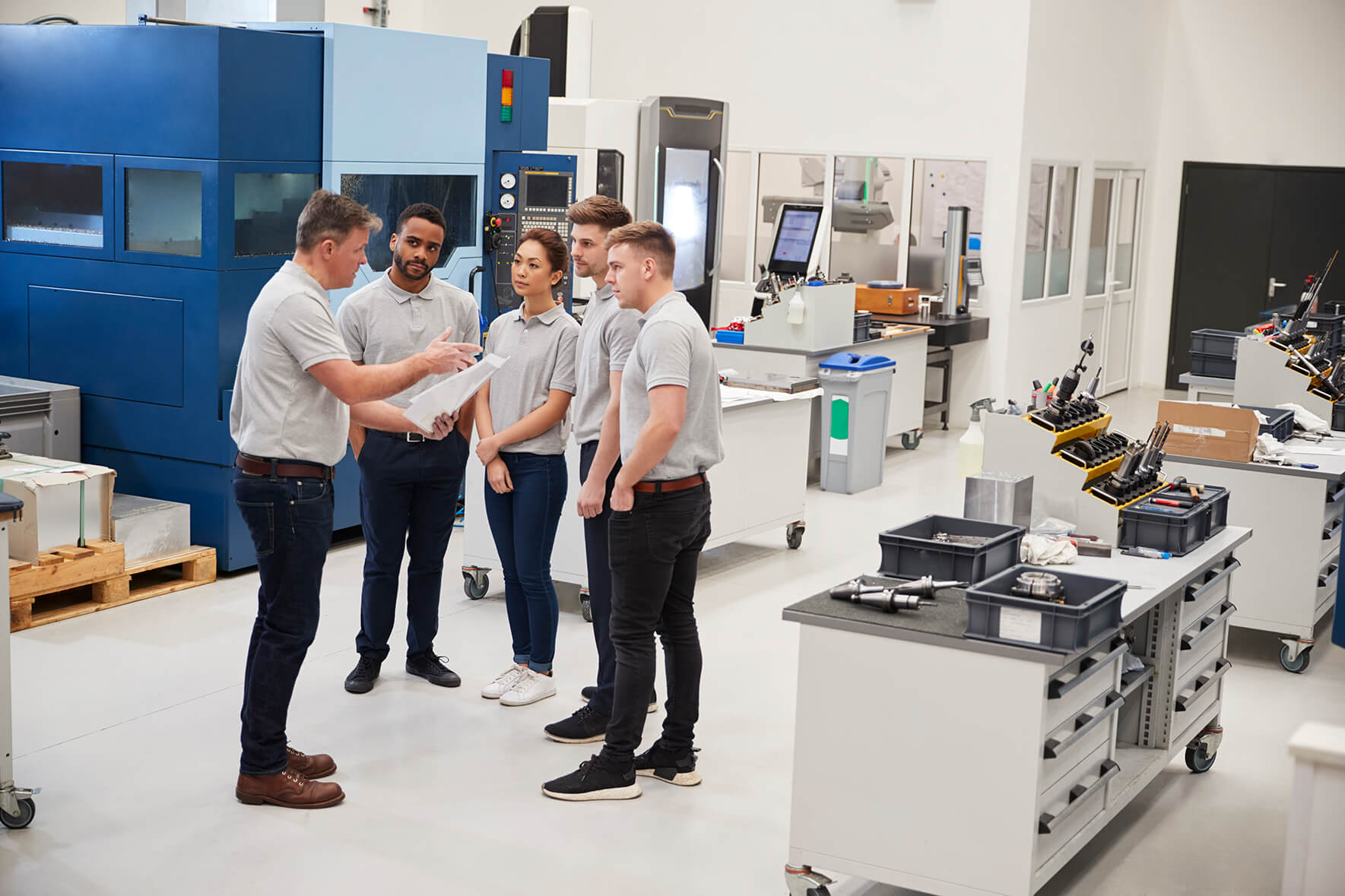 Many manufacturers are struggling but can be helped to improve through Japanese-style management techniques, says Kaizen InstituteBrexit challenges had given Kaizen Institute a platform to encourage UK clients “to improve their business [from both a] growth and operational perspective”, said Tenreiro. As a result the institute – a
 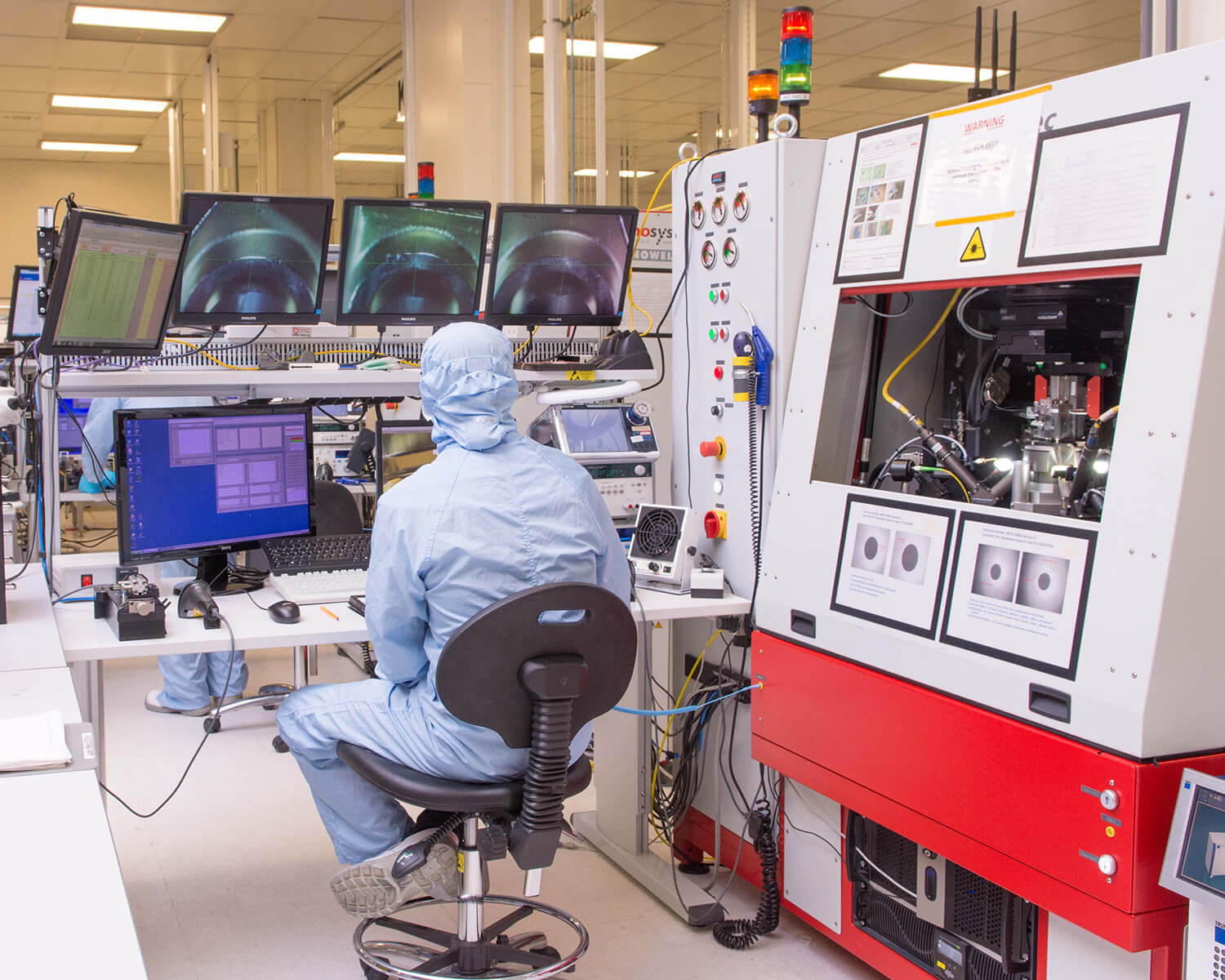 A mix of new equipment and ideas is often required to boost competitive performance“We’ve found that when customers implement new ideas, they get better results when they do it from a place of strength rather than weakness. In our client base we have some big success stories. Our aim always is to work with these businesses long-term to turn a good position into a better one.”
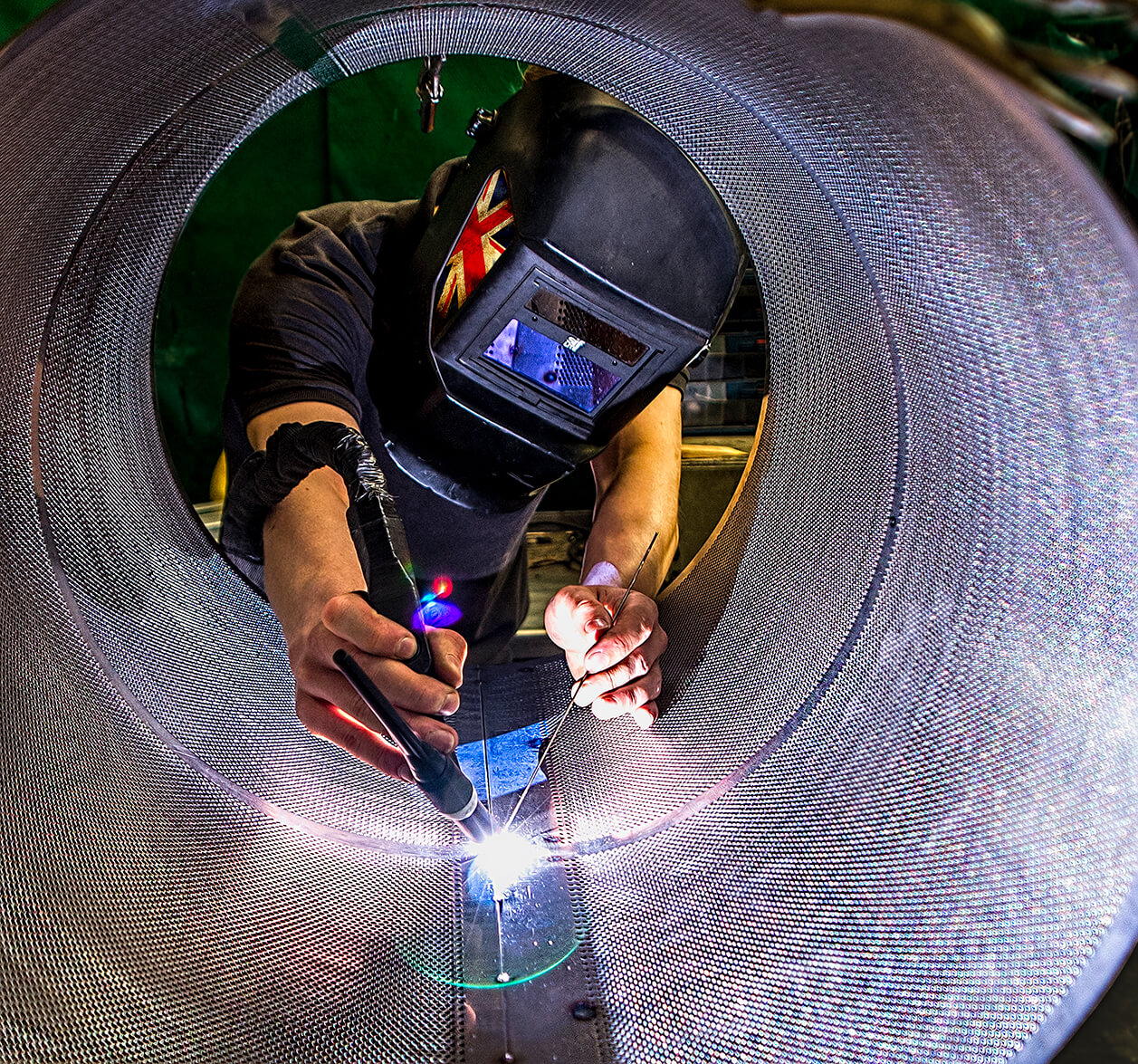 A brighter future may be ahead, despite Brexit-induced challenges, according to Kaizen’s UK head. Photo by Rob Wilkins/Croft FiltersIrrespective of the Brexit impact, Tenreiro sees opportunities for Kaizen in the UK. “I think the country has many manufacturers with a good potential to grow and which can be helped by the sort of practical consulting services we offer.”
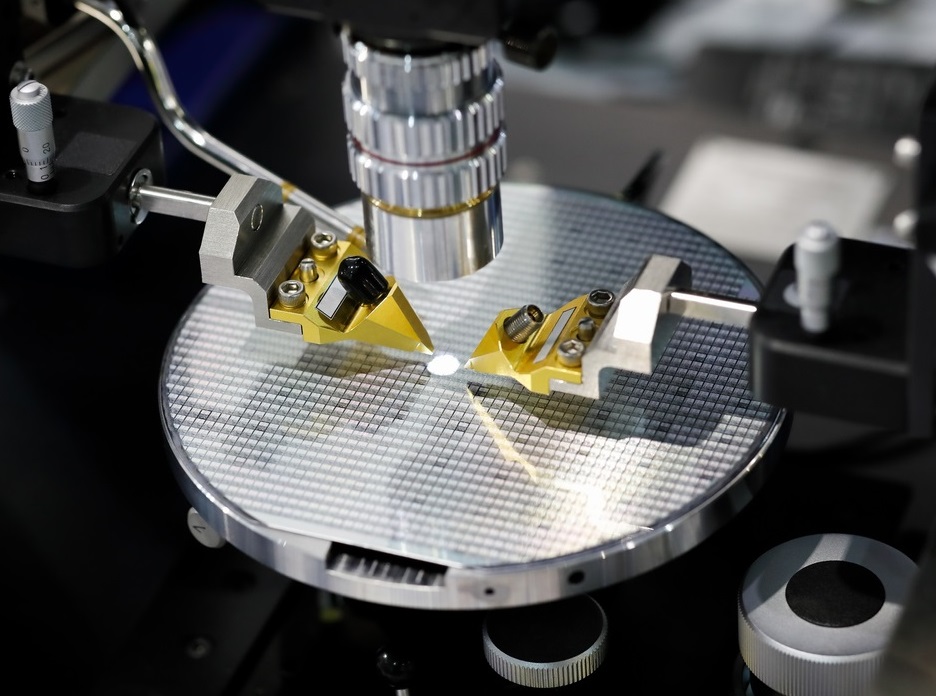 The components turned out by Wright’s companies are mainly made in small volumes and fit inside other businesses’ equipment.
 While the number of big UK electronics and electrical goods manufacturers has fallen sharply in the past 30 years, the sector continues to be represented by smaller enterprises making specialised items.








With twin enthusiasms in music and engineering, Cameron Sharpe found a “perfect” job in developing top-flight audio equipment for one of the UK’s best known sound systems businesses. The 32-year-old design engineer plays electric guitar and has spent 20 years in a pipe band.